

As we age, certain areas of the face lose volume and become hollow, making us look tired and less refreshed. These changes may include deeper tear troughs and nasolabial folds, hollow temples, a flatter forehead, sunken cheeks, and a receding chin that makes marionette lines more noticeable.
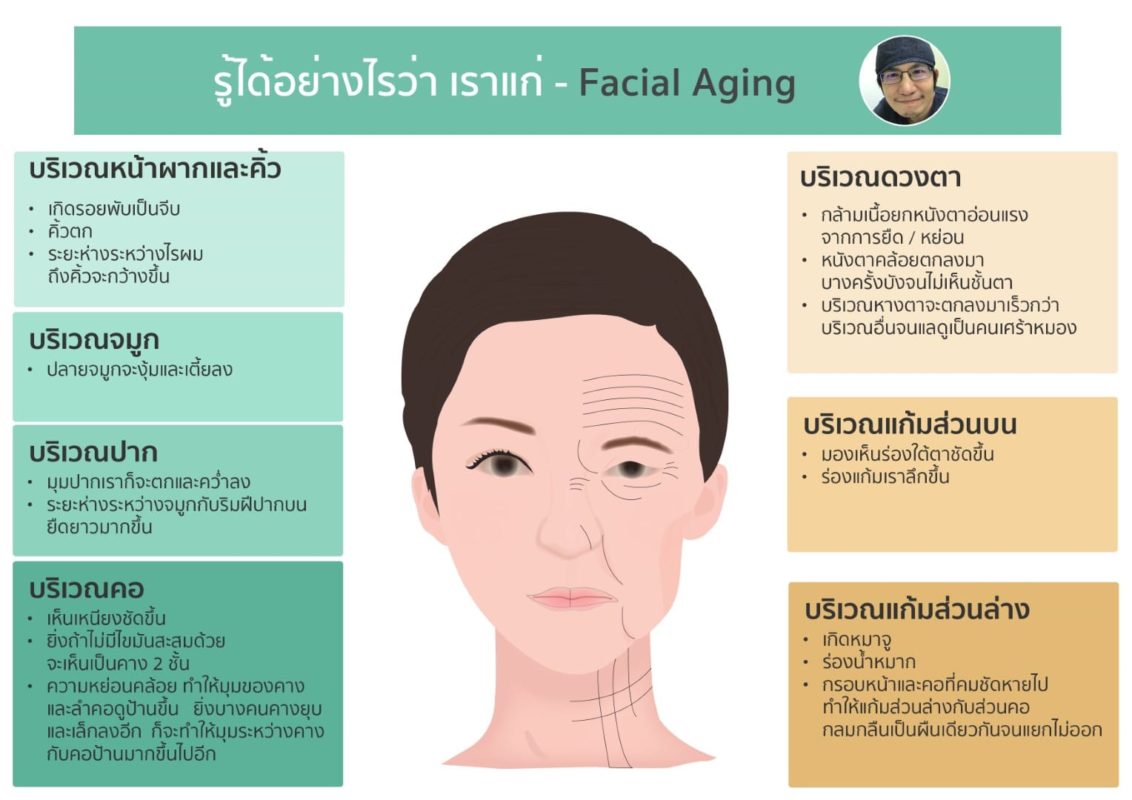
These changes involve several facial structures, including bone, muscle, fat, collagen, and hyaluronic acid (HA) beneath the skin. Age-related changes can begin around the age of 25. Frequently staying up late, heavy smoking, ongoing stress, insufficient rest, and inadequate protein intake may accelerate these changes and make the face appear older.
Facial volumization has become increasingly popular for restoring fullness according to the doctor's treatment plan and addressing deep folds and hollow areas caused by volume loss. It can create a more youthful, refreshed appearance and, in some areas, help improve the appearance of sagging.
Facial Volumization
There are three main medical approaches to facial volumization:
1. Facial Implants
Medical implant materials include silicone sheets, Gore-Tex, and Medpor. They can be used to augment several areas, including:
- Forehead implants
- Temporal implants
- Under-eye and midface implants
- Paranasal implants to support the area beside the nose and nasolabial folds
- Chin implants
Options include standard implants, which come in ready-made shapes and sizes, and customized implants, which are individually manufactured using facial CT scans. Customized implants are designed to fit each person's facial anatomy more precisely and generally cost more than standard implants.
2. Dermal Fillers
Several types of manufactured dermal fillers have received regulatory approval for specific uses. Examples include:
2.1. Absorbable (Temporary) Materials
These materials gradually break down in the body.
- Hyaluronic Acid (HA)
HA is a substance naturally found in the dermis. Manufactured HA fillers are widely used, with results typically lasting approximately 4–18 months, depending on the product's formulation and manufacturing technology. - Calcium Hydroxylapatite
This substance is naturally found in human bone. Filler results may last approximately 18 months. - Poly-L-Lactic Acid (PLLA)
PLLA is a material also used in certain medical sutures and screws.
2.2. Non-Absorbable (Permanent) Materials
- Polymethyl Methacrylate (PMMA) Microspheres
PMMA is a material also used in bone cement and intraocular lenses. PMMA filler microspheres do not break down in the body, and this type of filler is less commonly used than absorbable fillers.
Dermal fillers are ready-to-use products with a relatively short recovery period. They may suit people who have limited time, prefer convenience, and require only a small amount of volume restoration.
Potential disadvantages include the cost of quality products, possible allergic reactions, and slower-than-expected breakdown in some individuals. Differences in the amount and activity of enzymes that break down HA may contribute to variations in how long the filler remains.
3. Autologous Fat Grafting / Fat Transfer
Fat transfer is a popular option because it uses the patient's own tissue, avoids allergic reactions to the fat itself, and allows larger amounts to be harvested. When substantial volume is needed, it may cost less than fillers. If the transferred fat successfully establishes a blood supply through the formation of new small blood vessels (neovascularization), the surviving fat cells can remain for many years.
However, graft survival varies, and some patients may retain less fat than expected. Factors that can influence the outcome include:
- The doctor's surgical technique and skills
- The health and quality of the harvested fat graft
- Appropriate and comprehensive postoperative care
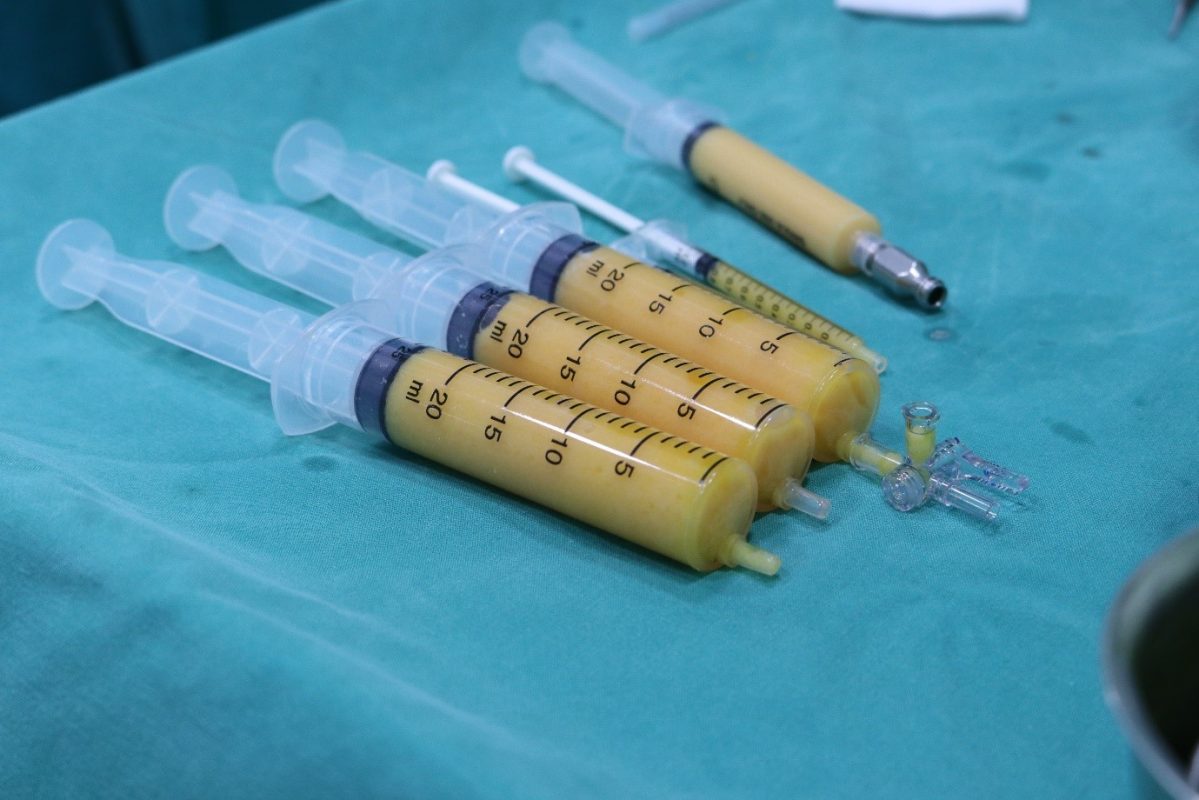

The Fat Transfer Procedure
- The doctor assesses the face and plans which areas need volume restoration to achieve a result suited to the individual.
- Fat is harvested from another area of the body, such as the lower abdomen or the outer, front, or inner thighs. The donor site is selected according to the doctor's assessment.
- Fat harvesting can often be performed under local anesthesia using the tumescent technique, without general anesthesia. The article describes potential advantages of this technique, including:
- Suitability for appropriately selected patients in a properly equipped clinical setting
- Measures to help reduce infection risk
- Effective pain control
- Support for wound recovery
- The harvested fat is processed by centrifugation at an appropriate speed to separate unwanted components and prepare the fat graft for injection into the planned facial areas.
- Depending on the individual case, the doctor may consider additional techniques intended to support graft survival or address specific treatment needs, such as:
- Adding platelet-rich plasma (PRP), which contains several growth factors, including:
- Fibroblast Growth Factor (FGF)
- Epidermal Growth Factor (EGF)
- Vascular Endothelial Growth Factor (VEGF)
- Processing fat into nanofat for superficial skin treatment, including areas around the tear troughs and hollow eyes.
- Enriching the graft with adipose-derived cells before injection, an approach known as cell-assisted lipotransfer (CAL).
- Administering muscle-relaxing injections 1–2 weeks before fat transfer, particularly in patients with frequently tense or overactive facial muscles, with the aim of reducing pressure on the transferred fat.
- Adding platelet-rich plasma (PRP), which contains several growth factors, including:
- The doctor injects the prepared fat into the areas identified in the facial treatment plan, using techniques suited to the individual case. A commonly used method is microfat grafting.
Postoperative Care After Facial Fat Transfer ›
Common Areas for Facial Fat Transfer
- Forehead augmentation
- Temple augmentation
- Correction of hollow eyes
- Improvement of dark circles
- Tear trough correction
- Correction of sunken cheeks and submalar hollows
- Softening of deep nasolabial folds
- Augmentation of a low nasal root (radix)
- Chin augmentation
- Facial contouring
Some providers offer fat graft banking for patients who wish to store harvested fat for future treatment sessions. This may offer convenience by avoiding another harvesting procedure, although additional costs apply.
Anyone considering facial fat transfer should consult a qualified specialist before making a decision. The consultation should include an assessment of facial anatomy, overall health, donor fat quality, and the areas to be treated. Careful planning, appropriate preparation, and proper postoperative care help support graft survival and a result that complements the patient's facial features and personal preferences.



