
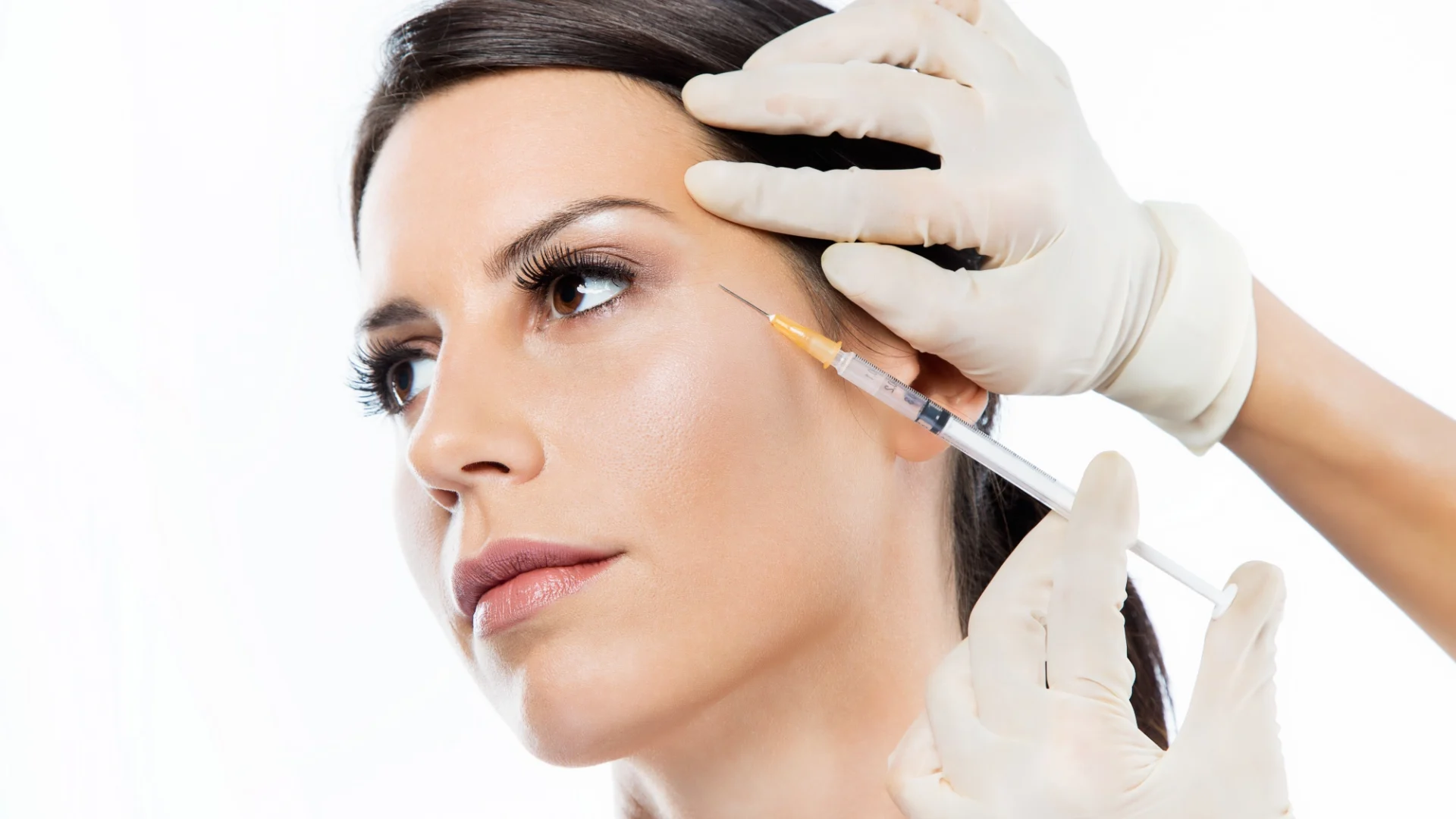
Botox (Botulinum Toxin) is an injectable treatment used to temporarily reduce muscle activity in targeted areas. It may be used to reduce facial expression lines, refine facial contours, reduce the prominence of the jaw muscles, and balance facial muscle activity. Injection sites and dosages should be determined according to each individual's anatomy and muscle function.
At Dr. Gorn Aesthetique, Botox treatments are planned based on facial anatomy, muscle movement, facial expressions, and facial proportions. Physicians select appropriate injection sites and doses while considering natural facial movement and individual facial characteristics.
What Is Botox?
Botox is a commonly used name for treatments involving Botulinum Toxin Type A. It temporarily reduces communication between nerves and muscles at the injection site, resulting in reduced muscle contraction.
In aesthetic medicine, botulinum toxin may be considered for various areas, including:
- Forehead lines
- Frown lines
- Crow's feet
- Bunny lines around the nose
- Masseter muscles
- Certain types of lines around the mouth
- Dimpling or orange peel texture of the chin
- Selected neck muscles according to treatment indications
How Does Botox Reduce Wrinkles?
Certain facial wrinkles develop from repeated muscle contractions during expressions such as smiling, frowning, or raising the eyebrows. These are known as dynamic wrinkles.
By reducing muscle activity in targeted areas, botulinum toxin may help make expression-related wrinkles less noticeable.
However, wrinkles that remain visible when the face is at rest, known as static wrinkles, may also involve changes in skin quality and underlying tissues. Additional treatment approaches may therefore need to be considered.
Where Can Botox Be Injected?
Forehead Botox
Forehead Botox is used to reduce muscle activity responsible for horizontal forehead lines. Injection placement must take into account the muscles involved in eyebrow elevation to maintain balanced facial expressions.
Botox for Frown Lines
Botox may reduce activity in the muscles between the eyebrows that produce glabellar lines, commonly known as frown lines.
Botox for Crow's Feet
Botox may be used to address crow's feet, the lines at the outer corners of the eyes that become more noticeable when smiling or making facial expressions.
Masseter Botox
For individuals with a wider-looking jawline caused by prominent masseter muscles, botulinum toxin may be used to reduce muscle activity. Over time, the size of the treated muscles may decrease.
However, if facial width is primarily caused by bone structure or fat distribution, masseter Botox may not address the underlying cause.
Chin Botox
Chin Botox may be considered for individuals whose mentalis muscle activity causes dimpling or an orange peel appearance of the chin.
How Can Botox Improve Facial Contours?
Botox is not a dermal filler and does not add facial volume. Instead, it can modify the activity or size of certain facial muscles.
A common example is masseter Botox for individuals with enlarged jaw muscles that contribute to a wider-looking lower face.
Before treatment, it is important to determine whether facial width is primarily related to bone structure, muscle size, fat distribution, or a combination of these factors so that the most appropriate approach can be selected.
Can Botox Lift the Eyebrows?
In selected cases, Botox can be used to adjust the balance of muscles around the eyebrows, potentially producing a subtle change in eyebrow position or shape. This is sometimes referred to as a chemical brow lift.
However, the results are significantly different from a surgical brow lift, because Botox does not directly lift or reposition sagging tissues.
Individuals with brow ptosis or significant forehead laxity should therefore undergo an assessment of the underlying causes before treatment.
What Is the Difference Between Botox and Fillers?
Both are injectable treatments, but they work through different mechanisms.
Botox reduces muscle activity in targeted areas, while dermal fillers are used to restore volume or enhance tissue contours.
Therefore, botulinum toxin may be considered for muscle-related concerns, such as frown lines. For concerns associated with volume loss, a volume-restoring approach may be more appropriate.
When Will Botox Results Become Noticeable?
Botulinum toxin does not reach its full effect immediately after injection. Changes develop gradually following treatment, and an appropriate interval is needed before muscle responses can be fully assessed.
The onset and degree of response vary depending on the injection area, muscle characteristics, dosage, and individual factors.
How Long Does Botox Last?
The effects of botulinum toxin are temporary. Muscle activity gradually returns over time.
The duration of results varies depending on:
- Injection site
- Muscle size and strength
- Dosage and product used
- Individual treatment response
- Previous treatment history
Therefore, the same duration of results should not be guaranteed for everyone.
Will Botox Make My Face Look Frozen?
The degree of facial movement after Botox depends on injection placement, dosage, and treatment goals.
Treatment does not necessarily require all facial muscles to stop moving completely. Physicians can plan the degree of muscle relaxation based on each individual's anatomy and natural facial expressions.
Who May Be Suitable for Botox?
Individuals may consider an assessment for Botox if they have concerns such as:
- Expression-related forehead lines
- Frown lines
- Crow's feet
- Bunny lines
- Prominent masseter muscles
- Chin dimpling caused by mentalis muscle activity
- A desire to balance muscle activity in selected facial areas
- A desire to refine facial contours associated with muscle size or activity
Before every treatment, the physician should review the patient's medical history, health conditions, medications, and potential contraindications.
Are There Risks Associated with Botox?
Botulinum toxin injections are medical procedures with potential risks, including pain, swelling, bruising, headache, facial asymmetry, or unintended reduction of muscle activity.
Some complications may involve nearby muscles, potentially causing eyelid or eyebrow drooping, depending on injection placement and individual anatomy.
Botox treatment should therefore be assessed and performed by a physician with a thorough understanding of facial anatomy.
How Should You Care for Your Skin After Botox Injections?
After Botox injections, follow your physician's instructions, particularly regarding avoiding unnecessary pressure or massage over the treated areas during the initial post-treatment period.
If you experience unusual muscle weakness, difficulty swallowing, breathing difficulties, or other concerning symptoms, seek immediate medical assessment. Difficulty breathing or swallowing requires emergency medical attention.



