
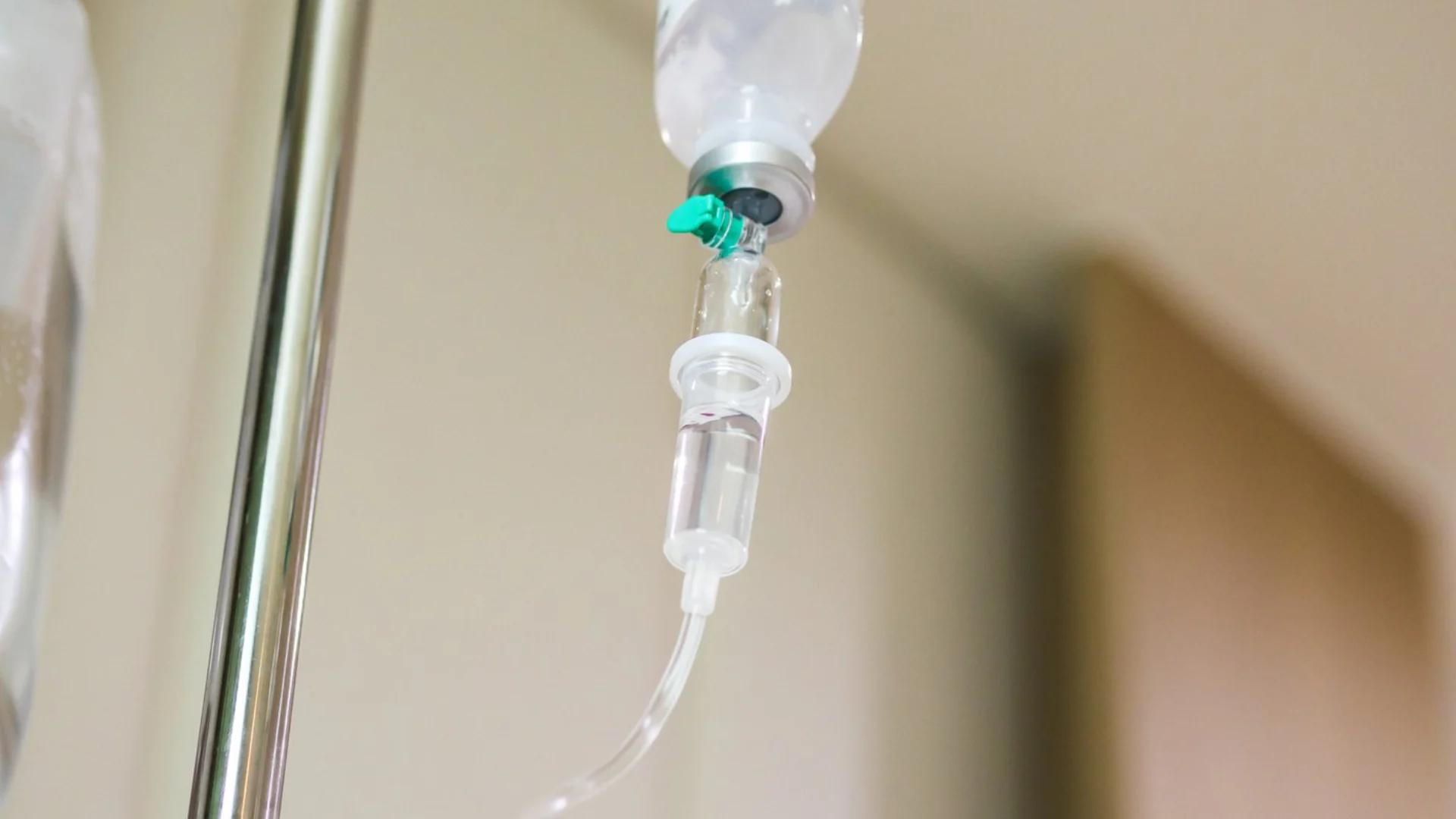
Intravenous Nutrition or IV Therapy involves the direct administration of fluids, vitamins, minerals, or certain nutrients into the bloodstream under the assessment and supervision of qualified healthcare professionals.
The composition of IV Therapy varies according to the purpose of treatment and each individual's health condition. The selection of ingredients, dosage, and concentration should therefore be based on medical history, nutritional status, current medications, and medical indications. A single formula should not be routinely used for everyone.
At Dr. Gorn Aesthetique, patients undergo an assessment before an Intravenous Nutrition plan is considered, helping ensure that the proposed care is appropriate for their individual health conditions and needs.
What Is Intravenous Nutrition?
Intravenous Nutrition refers to the administration of fluids or nutrients directly into the bloodstream through a vein, bypassing the gastrointestinal tract.
Depending on the formulation and medical indications, the administered substances may include:
- Fluids and Electrolytes
- Vitamins
- Minerals
- Amino Acids or Other Nutrients When Indicated
- Specific Ingredients According to the Individual Treatment Plan
Not everyone requires intravenous vitamins or nutrients. If a person can obtain adequate nutrition through food or oral supplements, additional IV supplementation may be unnecessary.
What Are the Benefits of IV Therapy?
The benefits of IV Therapy depend on which substances are administered and why they are needed, rather than the intravenous route alone.
In medical practice, IV Therapy may be used to:
- Provide fluids when medically indicated
- Correct certain nutritional deficiencies
- Administer vitamins or minerals in appropriate circumstances
- Manage electrolyte imbalances when clinically indicated
- Provide nutrition to patients who cannot obtain sufficient nutrients through conventional methods
- Support an individualized medical care plan
Claims that IV Therapy can "detoxify the body," "boost immunity," or treat diseases should be avoided unless there is reliable clinical evidence supporting the specific formulation and indication.
What Is IV Vitamin Therapy?
IV Vitamin Therapy involves administering selected vitamins directly into a vein. Depending on the medical assessment and indications, formulations may contain Vitamin C, B Vitamins, or other substances.
One pharmacological characteristic of intravenous administration is that substances enter the bloodstream directly without requiring absorption through the gastrointestinal tract.
However, achieving higher blood concentrations does not necessarily provide additional health benefits for everyone. The selection and dosage of intravenous vitamins should therefore be medically justified and appropriate for each individual.
How Is Intravenous Nutrition Different from Oral Vitamins?
Vitamins and nutrients obtained from food or oral supplements are absorbed through the digestive system before entering the bloodstream.
In contrast, Intravenous Therapy delivers substances directly into the bloodstream.
Nevertheless, intravenous administration is not always better than oral intake. For individuals who can eat normally and do not have nutritional deficiencies, obtaining nutrients through a balanced diet remains an essential foundation of good nutrition.
Can IV Therapy Help with Fatigue?
Fatigue can result from many different factors, including:
- Insufficient Sleep or Rest
- Dehydration
- Anemia
- Certain Nutritional Deficiencies
- Hormonal Disorders
- Infections or Chronic Diseases
- Stress and Lifestyle Factors
If fatigue is related to a confirmed fluid or nutrient deficiency, correcting the underlying deficiency may help improve symptoms. However, IV Therapy should not be used to temporarily mask persistent fatigue without investigating its cause.
Can IV Therapy Improve Skin Health?
Skin health is influenced by many factors, including nutrition, hydration, sun exposure, hormones, aging, and skincare.
If a person has a nutritional deficiency, correcting it may improve overall health, including certain aspects of skin health. However, IV vitamins should not be promoted as a guaranteed way to achieve whiter, brighter, or younger-looking skin in every individual.
When the primary concern is skin quality, an individualized assessment should also consider appropriate skincare and treatments specifically targeting the underlying skin condition.
Can IV Therapy Boost the Immune System?
The immune system is complex and influenced by several factors, including nutrition, sleep, exercise, age, and overall health.
Certain vitamins and minerals play important roles in normal immune function. However, providing these substances intravenously to individuals without nutritional deficiencies does not necessarily enhance immune function beyond normal levels or prevent disease.
Therefore, the term "Immune Booster" should not be used as a guarantee of treatment effectiveness.
Can IV Therapy Detoxify the Body?
The term "Detox" is widely used in the wellness industry. However, the body already has natural systems for processing and eliminating substances, primarily involving organs such as the liver and kidneys.
IV Therapy should not be generally described as a method for "flushing toxins from the body." When exposure to a specific toxin or a particular medical condition is present, treatment must be selected according to the substance involved and established medical indications.
Are Blood Tests Necessary Before IV Therapy?
The need for blood tests depends on the proposed formulation, its ingredients and dosage, and the patient's medical history.
In certain circumstances, the physician may consider the following tests:
- Kidney Function Tests
- Liver Function Tests
- Electrolyte Levels
- Blood Glucose
- Complete Blood Count (CBC)
- Vitamin or Mineral Levels When Clinically Indicated
- Additional Tests Based on Medical History
Not every patient requires every test. However, an appropriate medical assessment should be performed before intravenous substances are administered.
Who May Be Suitable for Intravenous Nutrition?
Individuals may consider an assessment for Intravenous Nutrition if they:
- Have a medical indication for intravenous fluid or nutrient administration
- Have a vitamin or mineral deficiency for which intravenous supplementation is appropriate
- Have difficulty absorbing or consuming certain nutrients through conventional methods
- Wish to assess their nutritional status before choosing supplementation
- Wish to develop a personalized nutrition and wellness plan
Decisions about treatment should be based on actual health needs rather than selecting an intravenous formulation solely by its program name.
Does Intravenous Nutrition Carry Any Risks?
Yes. Although intravenous administration is a common medical procedure, it still carries potential risks, including:
- Pain or bruising at the needle insertion site
- Phlebitis (inflammation of a vein)
- Infection
- Allergic reactions to administered substances
- Electrolyte imbalance
- Fluid overload in susceptible patients
- Adverse effects from high doses of certain vitamins or other substances
Individuals with kidney disease, heart disease, or certain other medical conditions require particular caution and an appropriate medical assessment.
Is IV Therapy 100% Safe?
IV Therapy should not be described as 100% safe.
Its safety depends on the types and amounts of substances administered, infusion rate, medical history, sterile procedures, and monitoring during treatment.
IV Therapy should therefore be provided under the supervision of qualified healthcare professionals, with appropriate procedures and resources available to manage adverse reactions.
What Should You Do After IV Therapy?
After intravenous treatment, patients may experience minor needle marks, bruising, or tenderness around the insertion site.
Watch for unusual symptoms such as a rash, difficulty breathing, dizziness or faintness, significant swelling, or abnormal pain along the vein. Notify healthcare professionals immediately if any of these symptoms occur. Severe breathing difficulty or fainting requires emergency medical attention.



