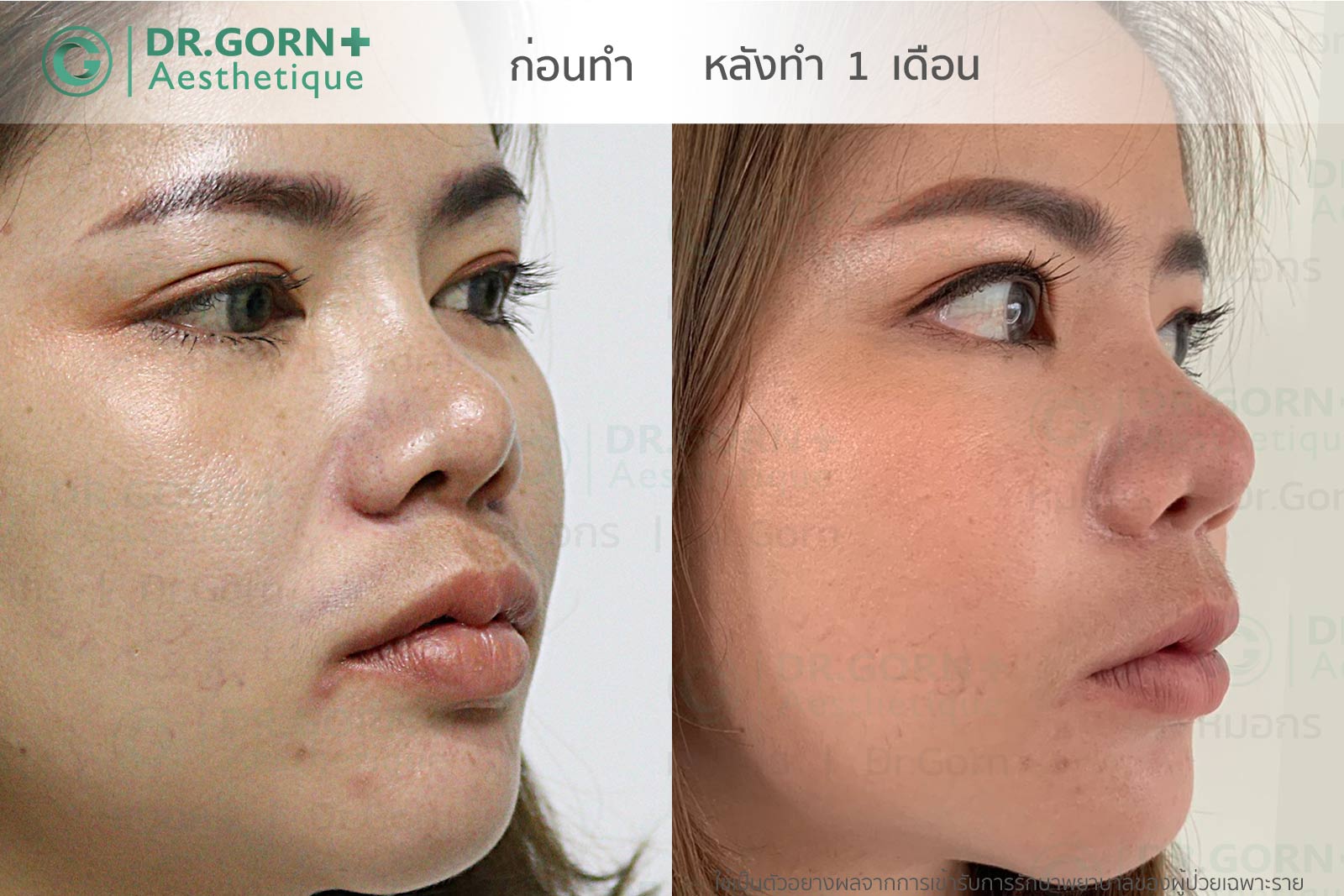
The nasolabial folds are located in the midface, extending from the sides of the nose toward the corners of the mouth. Because they are positioned prominently in the center of the face, they are often noticeable when looking in the mirror or interacting with others. During smiling and facial expressions, several midfacial muscles contract and elevate the cheeks and corners of the mouth, making the nasolabial folds appear more pronounced.
Deep nasolabial folds may contribute to an older-looking facial appearance. As we age, changes in the skin, facial fat compartments, and supporting tissues of the upper cheeks and under-eye areas may cause the folds to become deeper or more noticeable. This process is often associated with midface aging.
Before deciding how to correct deep nasolabial folds, it is important to understand their underlying causes.
What Causes Deep Nasolabial Folds?
Congenital Facial Anatomy
Some individuals have naturally prominent nasolabial folds from an early age because of their facial anatomy and the attachment of facial retaining ligaments. The original article describes the bucc maxillary ligament (Bucco-Maxillary Ligament) as a structure connecting deeper tissues to the skin near the nasolabial region. Relatively firm attachments and surrounding tissue contours may contribute to a visible fold near the sides of the nose, even in childhood.
Accumulation of Subcutaneous Facial Fat
A relatively large amount of superficial or subcutaneous fat above the nasolabial fold can create a fuller cheek contour, making the adjacent crease appear deeper by comparison. In some patients, increased facial fat associated with weight gain may make this contrast more noticeable.
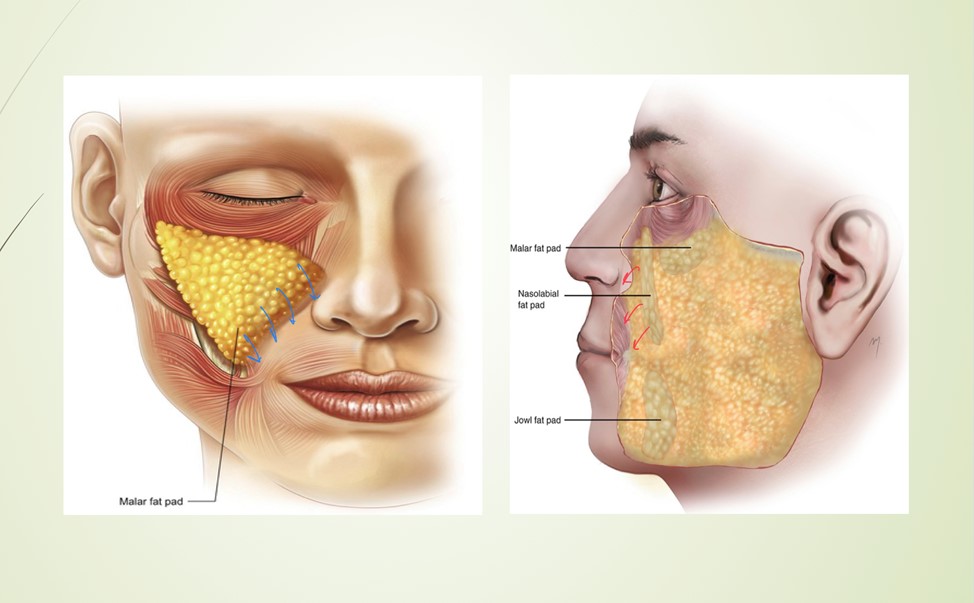
Sagging of the Cheek and Under-Eye Tissues
Age-related midface tissue descent may make nasolabial folds more prominent. Facial retaining structures, including the zygomatic ligaments and upper masseteric ligaments, help support the position of the cheek tissues. As facial structures change with age, the support and distribution of soft tissue can alter, contributing to deeper nasolabial folds. The original article also discusses several factors that may influence facial aging and tissue health:
- Increasing age: Changes in the quality and organization of connective tissue may contribute to reduced facial support and ligament laxity.
- Chronic stress: Long-term stress may affect overall health and lifestyle patterns, although its direct contribution to facial ligament laxity is not clearly established.
- Inadequate sleep: Poor sleep habits may affect skin appearance and recovery, but are not considered a proven direct cause of facial ligament stretching.
- Insufficient protein intake: Inadequate nutrition can affect tissue maintenance and collagen production, although the relationship between dietary protein and nasolabial fold depth varies among individuals.
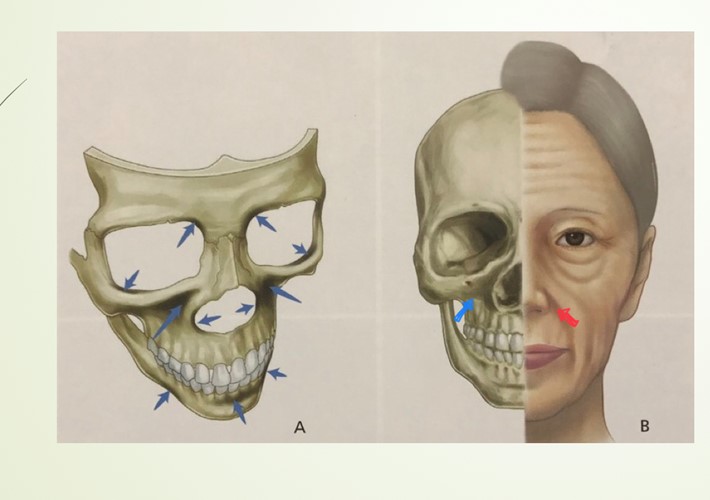
Changes in the Facial Bone Structure
Changes in the bones supporting the midface can also influence nasolabial fold appearance. Structural alterations may result from previous surgery, facial trauma, or age-related skeletal remodeling. The original article mentions changes in facial bone orientation, sometimes described in relation to facial skeletal rotation, as another potential contributing factor.
How to Treat Deep Nasolabial Folds
Injectable Fillers and Fat Grafting
Hyaluronic acid (HA) dermal fillers and autologous fat grafting may help improve mild to moderate nasolabial folds, particularly when the main concern is loss of facial volume rather than significant skin sagging. The original article describes these approaches as options for younger patients with relatively shallow folds. Treatment suitability depends on facial anatomy, the cause of the folds, and a medical assessment. Injections in this area carry vascular risks, including rare but severe complications.
Reduction of Excess Fat Above the Nasolabial Folds
In patients with prominent superficial fat above the nasolabial fold, the original article describes two possible approaches for reducing volume in the nasolabial segment. These treatments are not appropriate for every patient, and excessive fat removal could worsen hollowing or facial aging.
- Injection Lipolysis: The original article mentions mesolipolytic injections (Meso Lipolytic Solution), sometimes repeated at intervals of approximately two weeks. However, safety, effectiveness, and regulatory approval vary depending on the injected substance and treatment location. Fat-dissolving injections in the nasolabial region are not an established routine treatment and require careful specialist assessment.
- Facial Liposculpture: Surgical fat reduction may be considered in carefully selected patients with localized excess facial fat. Although the original article presents liposculpture as an approach with more noticeable results, facial fat removal carries risks of asymmetry, contour irregularity, and accelerated hollowing.
Paranasal Augmentation Surgery
Paranasal augmentation is a surgical approach designed to increase structural support or volume in the area beside the nose. The original article describes several possible graft and implant materials, selected according to the patient's anatomy and treatment preferences:
- Autologous Tissue: Tissue harvested from the patient's own body, such as rib cartilage, may be used for augmentation when suitable.
- Medical Implants: Examples mentioned in the original article include medical-grade silicone, porous polyethylene (Medpor), and polycaprolactone (PCL) materials. The suitability and regulatory status of each material should be verified before treatment. The original article describes two possible surgical access routes:
- Intranasal Approach: Access through an incision inside the nasal cavity.
- Intraoral Approach: Access through an incision inside the mouth.
Midface Lifting Surgery
Midface lifting is a group of surgical techniques that elevate and reposition descended cheek tissues. It may be considered when significant midface sagging contributes to the appearance of deep nasolabial folds. The original article describes several surgical approaches:
- Through a Lower Eyelid Incision: A midface lift may be performed through a lower blepharoplasty approach, using either a subciliary incision beneath the lower eyelashes or a transconjunctival incision inside the lower eyelid, depending on the patient's anatomy and surgical indications.
- Through a Temporal Incision: A trans-temporal approach may be used to elevate the midface tissues, sometimes combined with an intraoral approach when clinically appropriate.
- Extended Deep Plane or High SMAS Facelift: These facelift techniques may be considered for patients who also wish to improve sagging in other facial regions, such as the mouth corners, jowls, and neck. The effect on nasolabial folds varies with anatomy and surgical technique, and complete elimination of the folds is not guaranteed.
Combining Multiple Treatment Methods
When deep nasolabial folds result from several contributing factors, a combination of treatment methods may be considered. For example, restoring lost volume and repositioning sagging facial tissues may address different aspects of the same concern. The treatment plan should be individualized to the patient's anatomy and medical needs.
How to Choose the Right Treatment for Deep Nasolabial Folds
- The underlying cause: Whether the folds result primarily from facial anatomy, volume loss, localized fat distribution, tissue sagging, or skeletal changes.
- The depth and severity of the folds: The degree of visible creasing and associated facial changes.
- Personal preferences and readiness: The patient's desired outcome, treatment budget, and ability to accommodate downtime and recovery.
How to Minimize the Appearance of Nasolabial Folds Before They Become Deep
- Maintain Good General Health: Get adequate sleep, manage ongoing stress, and consume sufficient protein as part of a balanced diet. These habits support overall skin and tissue health, although they cannot completely prevent age-related facial changes.
- Maintain a Healthy Weight: Avoid excessive weight gain that may increase facial fat volume and accentuate the contrast above the nasolabial folds. Rapid weight loss can also increase facial hollowing, so maintaining a stable, healthy weight is generally preferable.
- Consider Appropriate Facial Treatments: The original article mentions facial massage, high-intensity focused ultrasound (HIFU), radiofrequency (RF), and thread lifting as possible cosmetic options. Their effectiveness, risks, and suitability vary, and none can guarantee prevention of nasolabial folds. Consult an appropriately qualified professional before undergoing procedures.