
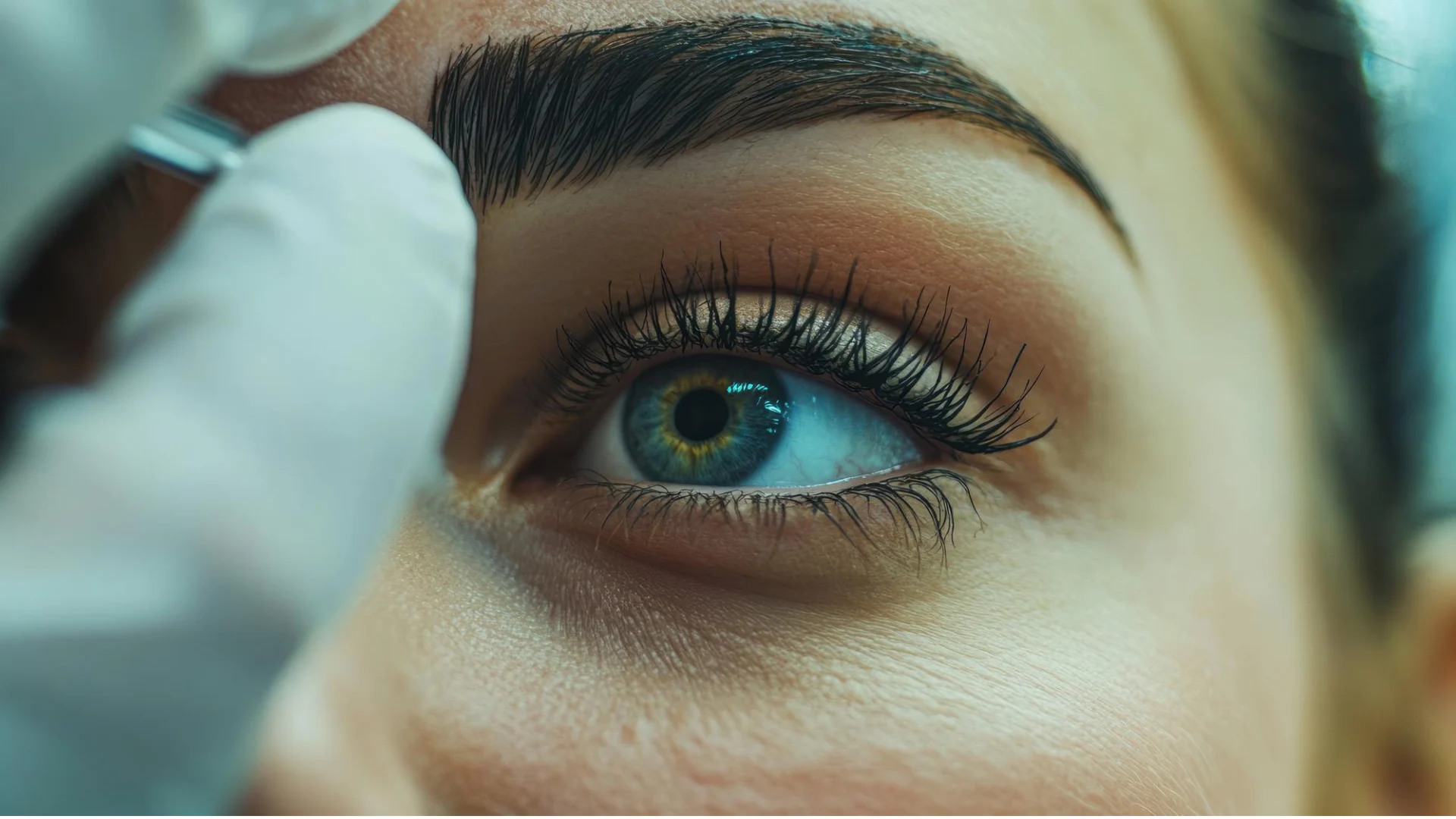
Ptosis (Drooping Upper Eyelid) is a condition in which the upper eyelid sits lower than its normal position, causing the eyes to appear sleepy, uneven, or partially closed. In more severe cases, the eyelid may cover part of the pupil and affect vision. Treatment therefore differs from conventional double eyelid surgery because it requires assessment and, when indicated, correction of the eyelid lifting mechanism.
At Dr. Gorn Aesthetique, ptosis correction surgery begins with an assessment of eyelid position, muscle function, eye symmetry, eyelid creases, and surrounding anatomical structures to develop an individualized treatment plan.
What Is Ptosis?
Ptosis is a condition in which the upper eyelid margin droops below its expected position. It may affect one or both eyes, with varying degrees of severity.
Common signs include:
- Sleepy-looking eyes or difficulty opening the eyes fully
- An upper eyelid margin that sits lower than normal
- Unequal eye opening between the two eyes
- Asymmetrical eyelid creases
- Needing to make extra effort or raise the eyebrows to open the eyes
- Forehead wrinkles caused by frequent eyebrow elevation
- In severe cases, the eyelid may obstruct the pupil and interfere with vision
What Causes Ptosis?
Ptosis can have several causes, including congenital conditions and changes acquired later in life.
- Congenital abnormalities of the eyelid lifting muscle
- Age-related changes in eyelid structures
- Stretching or weakening of the tendon-like structures connected to the eyelid lifting muscle
- Previous eyelid injury or surgery
- Certain neurological or muscular disorders
- Other factors affecting the eyelid elevation mechanism
It is therefore important to identify the underlying cause before considering surgery, especially when eyelid drooping develops suddenly or changes rapidly.
What Is the Difference Between Ptosis and Excess Upper Eyelid Skin?
Ptosis and dermatochalasis are different conditions, although they may produce a similar external appearance.
Dermatochalasis involves loose or excess upper eyelid skin that may cover the eyelid crease. Ptosis, however, involves the position of the upper eyelid margin and the mechanism responsible for lifting the eyelid.
Some individuals have both dermatochalasis and ptosis. Distinguishing between these conditions is therefore important when selecting an appropriate treatment.
Why Might Double Eyelid Surgery Alone Not Correct Ptosis?
Double Eyelid Surgery primarily aims to create or refine the upper eyelid crease and may also address excess skin or fat in selected cases. However, it does not automatically correct ptosis.
If the eyelid margin droops because of an abnormality in the eyelid lifting mechanism, creating an eyelid crease alone may leave the eyes looking partially closed or asymmetrical.
For patients who have ptosis and also wish to undergo double eyelid surgery, the surgeon may plan eyelid position correction together with eyelid crease design when appropriate.
How Is Ptosis Correction Surgery Performed?
The surgical approach depends on the underlying cause and the function of the eyelid lifting muscle. The surgeon measures the upper eyelid margin position and assesses muscle function before selecting an appropriate technique.
In some cases, adjustment or tightening of the levator muscle or levator aponeurosis may be considered to raise the upper eyelid margin to a more appropriate position.
For individuals with very poor levator muscle function, other techniques may be required to support eyelid elevation. The method must therefore be selected individually.
Who Should Consider a Ptosis Assessment?
Individuals with the following symptoms or concerns should consider a professional assessment:
- Sleepy-looking eyes or difficulty opening the eyes fully
- Upper eyelid margins that sit lower than normal
- Unequal eyelid opening between the two eyes
- Needing to raise the eyebrows or use the forehead muscles to help open the eyes
- Eyes that still appear droopy after double eyelid surgery
- Uneven eyelid creases associated with different eyelid positions
- Eyelid drooping that begins to obstruct vision
- Drooping eyelids following previous eyelid surgery
Combining Ptosis Correction with Double Eyelid Surgery
Individuals with ptosis may also have concerns about their eyelid creases, such as hidden creases, uneven creases, or the absence of a clearly defined eyelid crease.
The surgeon may consider combining ptosis correction with double eyelid surgery to address both eyelid opening and eyelid crease shape during the same procedure.
Surgical planning must consider the eyelid margin position, eyelid crease height, eyebrow position, and symmetry between the eyes rather than focusing solely on eyelid crease height.
Revision Ptosis Correction After Previous Double Eyelid Surgery
For individuals who have previously undergone double eyelid surgery or other eyelid procedures, correction may be more complex because of scar tissue, changes in the eyelid crease, or previously modified anatomical structures.
The surgeon must determine whether the drooping appearance is caused by true ptosis or other factors, such as an excessively high eyelid crease, scar tissue, excess skin, or differences in eyebrow position, before planning revision surgery.
How Long Is Recovery After Ptosis Correction Surgery?
Temporary swelling, bruising, tightness, or uneven eyelid opening may occur during the initial recovery period as the tissues continue to heal.
The eyelid position and crease shape may gradually change as swelling subsides. Follow-up appointments are therefore necessary according to the surgeon's recommended schedule.
What Are the Risks of Ptosis Correction Surgery?
Like other eyelid procedures, ptosis correction carries potential risks, including swelling, bruising, bleeding, infection, dry eyes, eyelid asymmetry, an eyelid position that is higher or lower than intended, or temporary difficulty closing the eyes completely.
Patients should receive an explanation of the potential benefits, limitations, and risks before deciding to undergo surgery.



