
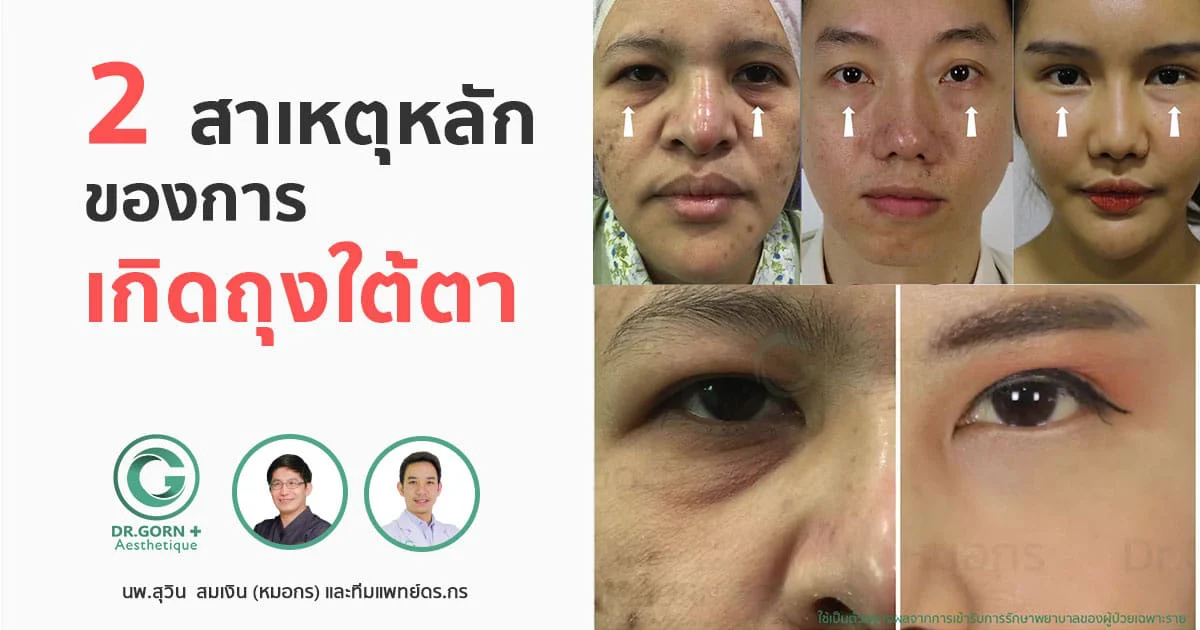
“Under-eye fat” may sound unfamiliar to some people, yet it is closely associated with a familiar concern: under-eye bags. These can make the face appear older and tired, affecting your appearance and confidence. What causes under-eye fat to become prominent, and can it be treated? Dr. Gorn Aesthetique explains.
What Causes Under-Eye Fat to Become Prominent?
Fat beneath the eyes is a normal component of the eye sockets. It cushions and supports the eyeballs, helping protect them from impact. These fat pads are present around both the upper and lower eyelids. As we age, the supporting tissues and muscles around the eyes gradually weaken, allowing the fat pads to bulge forward and become more noticeable.
How Does Under-Eye Fat Affect Your Appearance?
Protruding lower eyelid fat pads can create under-eye bags. These may appear alongside loose skin, visible wrinkles, or a swollen or bulging lower eyelid. They can make the face look tired, less refreshed, and older. Under-eye bags can occur in children, adults, and older people.
Can Prominent Under-Eye Fat Be Treated?
Yes. Treatment depends on the size of the bags and the surrounding anatomy, as outlined below.
For Mild or Less Noticeable Under-Eye Bags
Volume can be added to the hollow areas around the bags to make them appear less prominent and create a smoother contour. Two commonly used options are dermal fillers and autologous fat grafting.
1. Dermal Filler Injections
This approach uses hyaluronic acid (HA) fillers, which are temporary materials that gradually break down in the body. Improvement can be visible immediately after treatment, with generally limited downtime. Results may last approximately 1–2 years, depending on the product and individual response. However, fillers can be relatively expensive, and allergic reactions or other complications are possible.
2. Facial Fat Transfer
Facial fat transfer, also called facial fat grafting for rejuvenation, involves harvesting fat from another part of the patient's body, such as the abdomen, thighs, hips, or upper arms. The fat is processed to separate suitable fat tissue, then injected around the under-eye bags to create a smoother, more refreshed appearance. Because it uses the patient's own tissue, it avoids allergic reactions to the fat itself and can also be used in other facial areas. Fat that successfully establishes a blood supply can remain long term. However, results depend on fat cell survival, individual health and postoperative care, and the doctor's technique. Swelling and bruising may last approximately 7–10 days.

For More Prominent Under-Eye Bags
When bulging under-eye fat creates more prominent bags, treatment may involve removing some of the fat (eye bag removal) or repositioning it into the hollow tear trough area (orbital fat repositioning). These approaches are described below.
Surgical Fat Removal (Eye Bag Removal)
This approach may suit patients whose lower orbital rim already provides good projection and support. The surgeon removes selected excess fat beneath the eyes. In younger patients, the procedure can often be performed through an incision inside the lower eyelid rather than an external skin incision, leaving no visible external scar.

Orbital Fat Repositioning Without Removing the Fat
Also known as under-eye fat redistribution, this technique may suit patients with a recessed lower orbital rim or hollow cheeks. The surgeon moves fat from the bulging under-eye pads into the hollow area along the lower orbital rim, restoring fullness and creating a more refreshed appearance while treating the bags. Like the first approach, it can be performed through an incision inside the lower eyelid, leaving no visible external scar.


Common Misconceptions About Under-Eye Fat
Some younger people assume that their under-eye bags are caused by excess fat, when the appearance may actually be temporary puffiness. Possible contributing factors include staying up late, allergic conjunctivitis, allergic rhinitis, and frequent eye rubbing. These can contribute to swelling and vascular changes around the eyes, making the area look like an under-eye bag. Improving relevant habits and treating the underlying cause may help reduce this appearance.
How Long Do the Results of Orbital Fat Repositioning Last?
The results of surgical fat removal and orbital fat repositioning vary according to each person's anatomy, aging process, and self-care. They can last many years and, in some cases, decades. However, the supporting tissues and muscles around the eyes continue to age, so under-eye bags may eventually develop again.
Understanding Under-Eye Fat
Under-eye fat is a normal part of the eye sockets. As the supporting muscles and tissues weaken with age, the fat can bulge forward, creating under-eye bags or a puffy lower eyelid. Treatment options include filling surrounding hollows to soften the contour, surgically removing selected fat, or repositioning existing fat. To determine which approach suits your needs, consult a qualified specialist for an individual assessment.
Have Questions About Under-Eye Fat?
For more information about orbital fat repositioning, contact the aesthetic consultants at Dr. Gorn Aesthetique via LINE: @dr.gornaesthetique. The clinic offers a free online assessment by a doctor and services at three branches in Bangkok, Nan, and Phitsanulok, provided by a team of doctors specializing in facial plastic surgery with more than 20 years of experience.



