
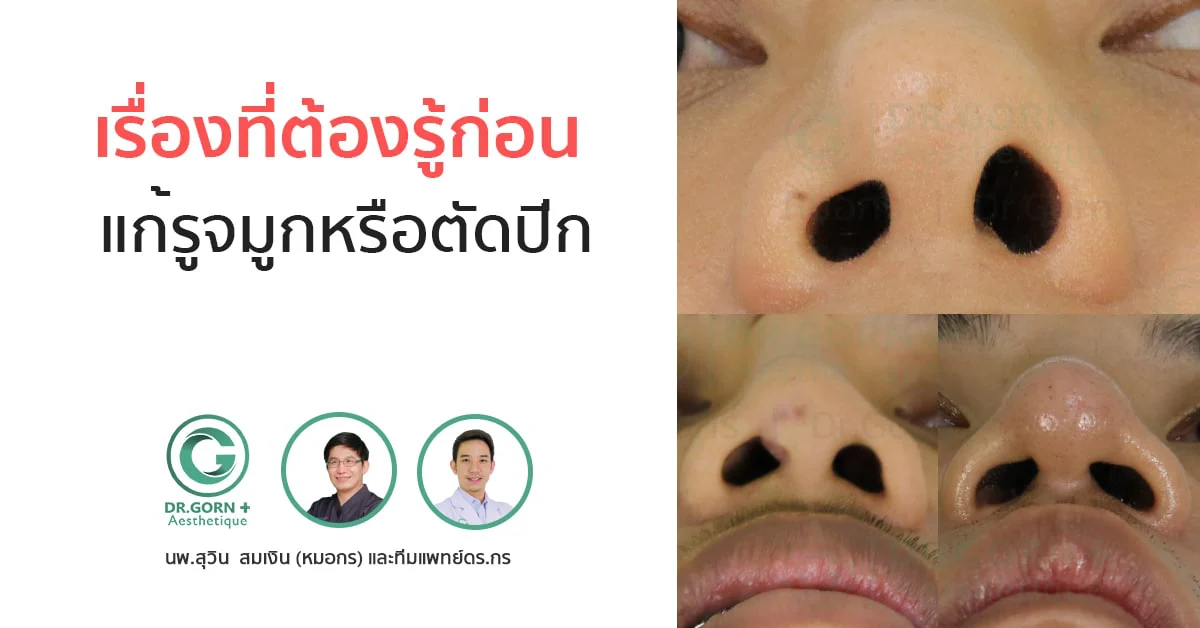
Uneven nostrils can have many causes, including natural anatomical differences, injuries, and previous rhinoplasty. Some patients seek advice after alar reduction intended to improve symmetry has made the problem worse. Others wonder why their nostrils look uneven after rhinoplasty. This article explains the possible reasons.
Dr. Gorn broadly divides the causes of uneven nostrils into three groups:
- Congenital anatomical differences
- Changes caused by injury
- Changes following nasal surgery
Before discussing each group, let us look at the structures that influence nostril shape.
Nostril shape is influenced by the alar fibroelastic tissue, lower lateral cartilages, caudal septum, upper lip tissues, depth of the nasolabial folds, and the underlying maxillary bone. Even these small openings are shaped by many anatomical factors.
If these structures are abnormal or differ between the two sides, the nostrils may appear asymmetrical. These differences may be present from birth or develop after an injury or previous nasal surgery.
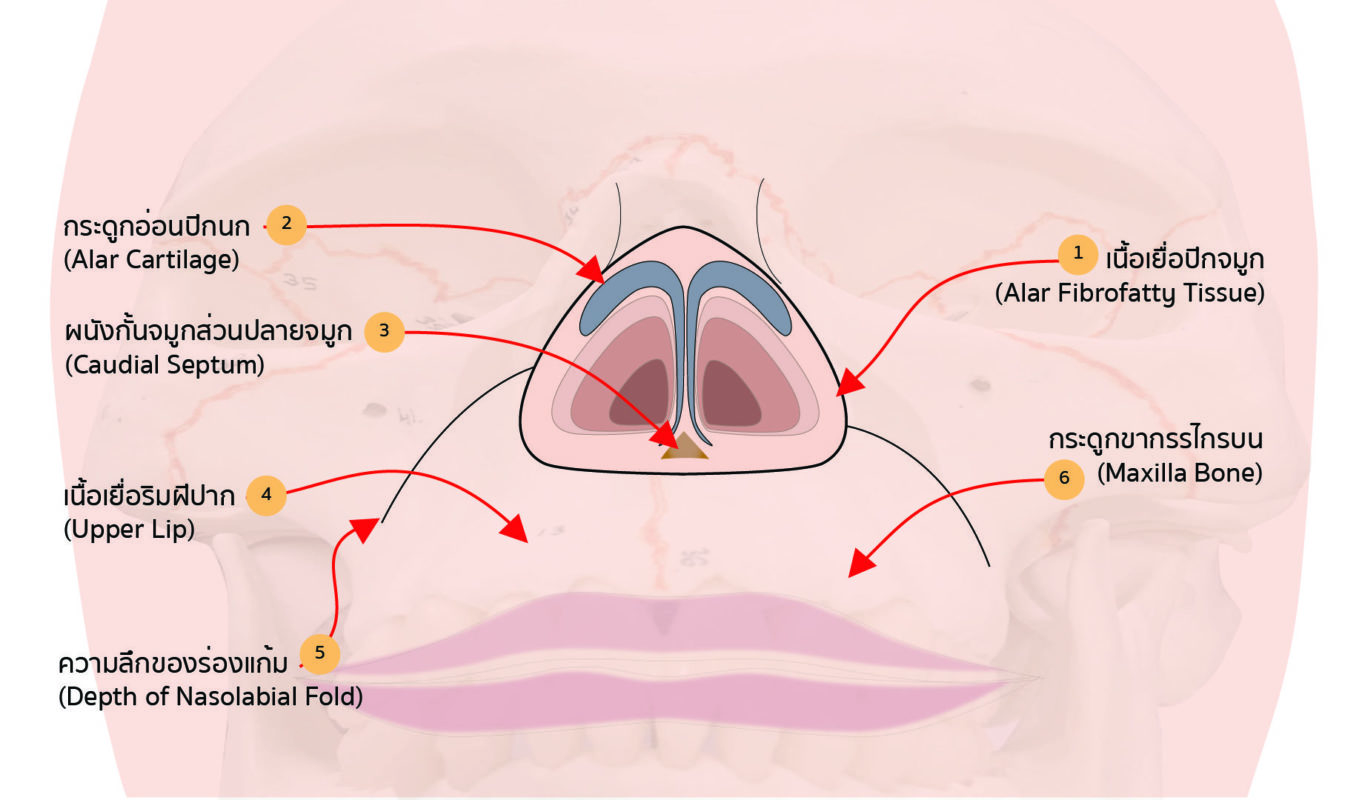
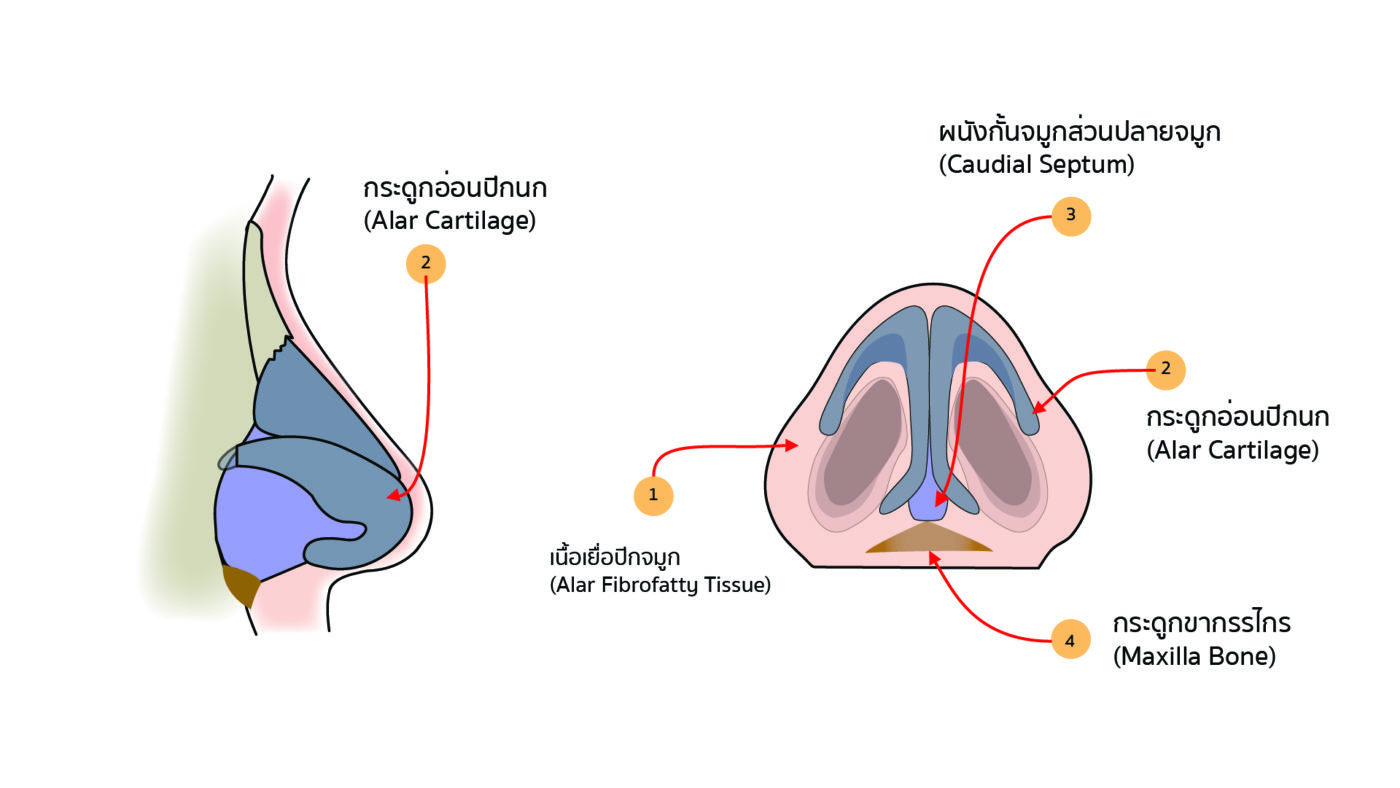
Now that we have reviewed the structures affecting nostril shape, let us explore the causes and their correction options. In Dr. Gorn's experience, many patients have more than one contributing factor.
Natural Variations in Nasal Anatomy
Natural variations in the structures forming each nostril can cause asymmetry. These differences may be present from birth or emerge as the face develops during childhood and adolescence. Treatment depends on the underlying cause and may involve more than alar reduction alone.
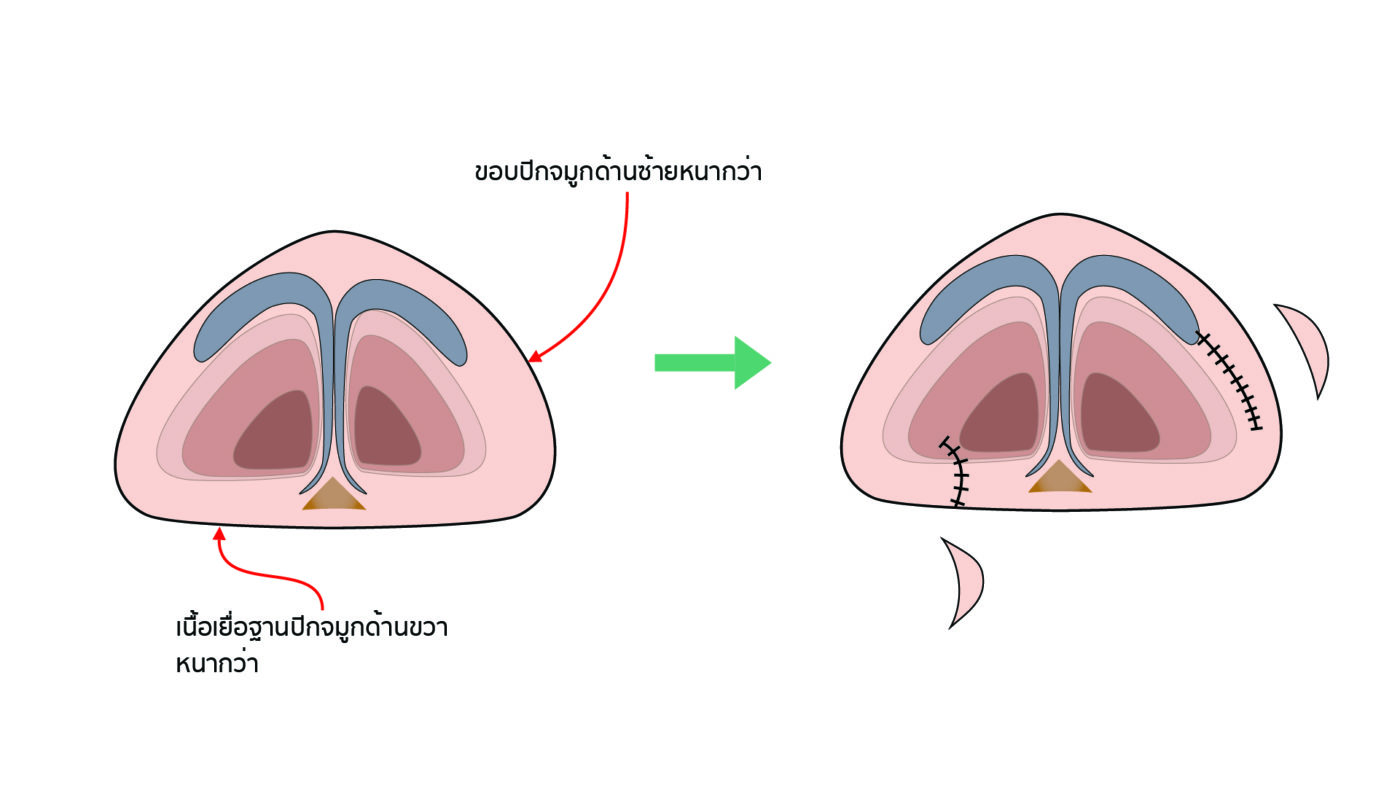
1. Differences in Alar Soft Tissue Width or Thickness
Asymmetrical alar fibroelastic tissue may cause differences in the thickness of the nostril rims or the width and outward flare of the alar bases.
Correction: Three-dimensional alar reshaping surgery.
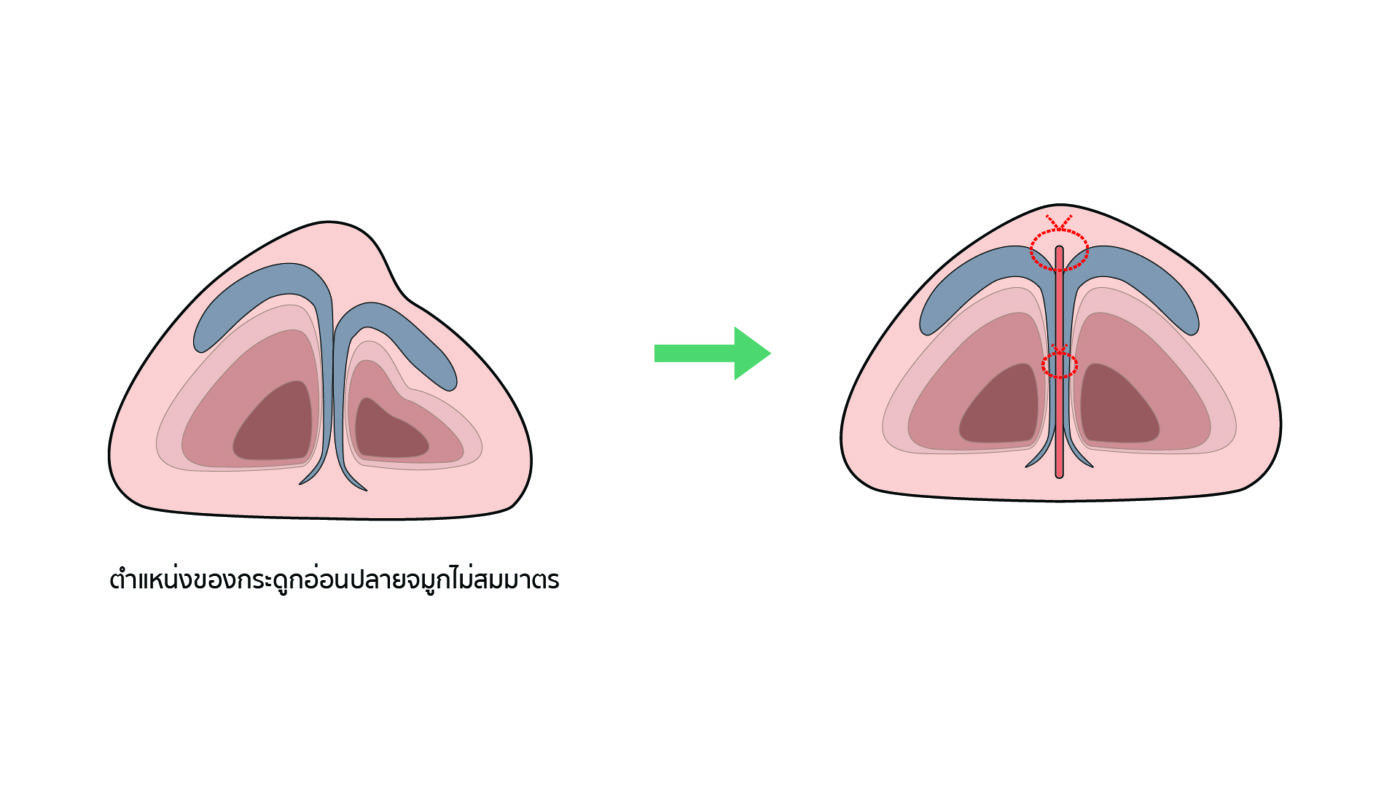
2. Asymmetrical Lower Lateral Cartilages
The lower lateral cartilages may differ in position, size, or strength. Their footplates may also flare outward unevenly.
Correction: Open structural rhinoplasty to improve cartilage positioning and symmetry, or to provide more balanced support using ear cartilage or rib cartilage.
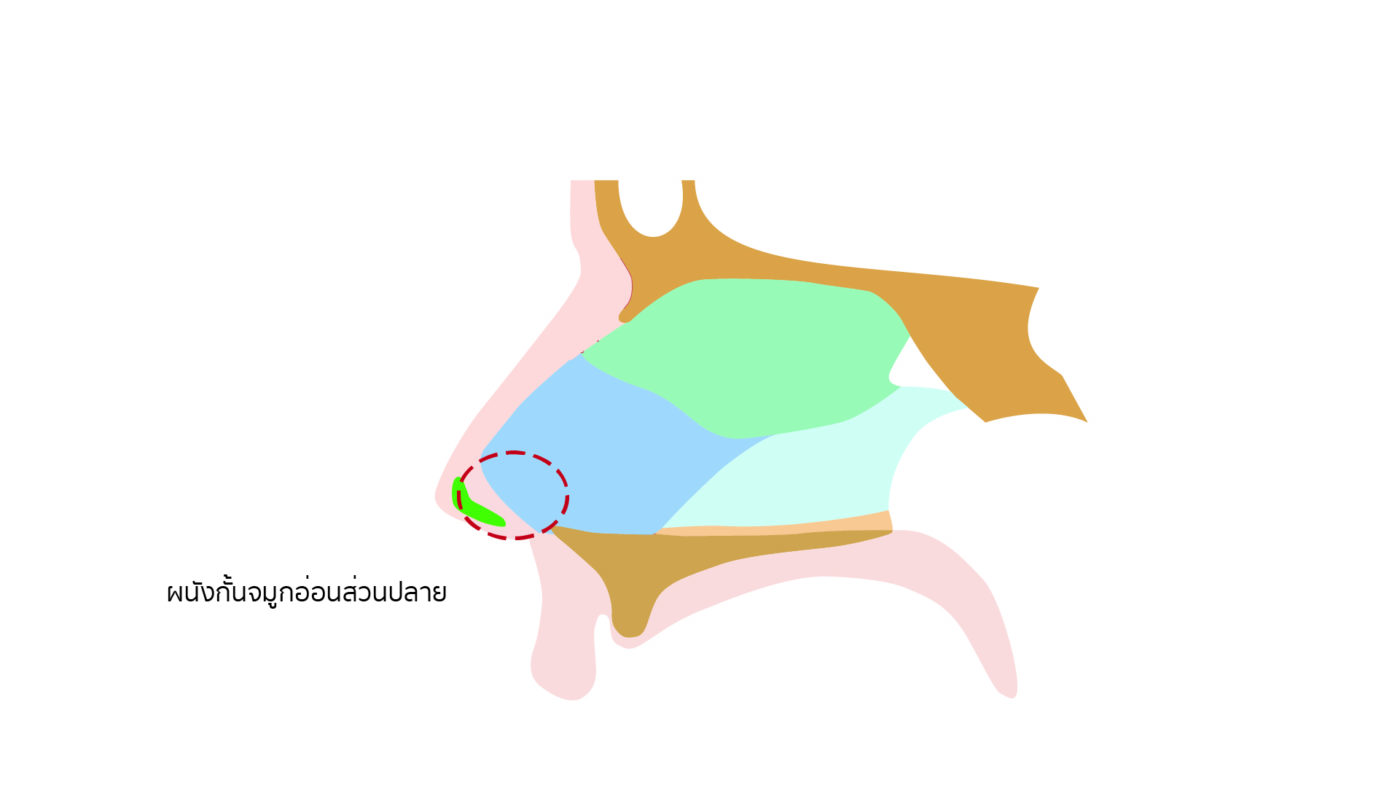
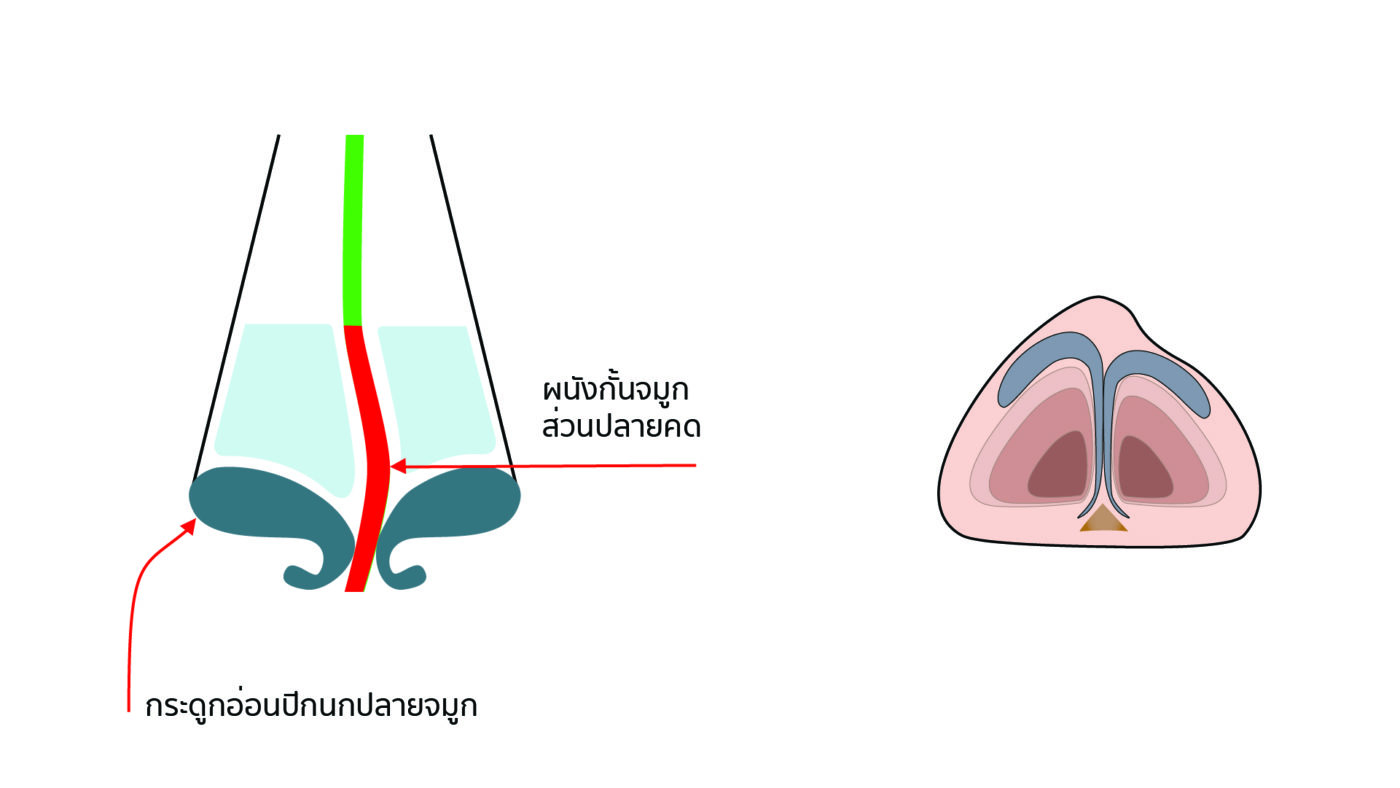
3. Caudal Septal Deviation
A deviated caudal septum can affect the positioning and attachments of the lower lateral cartilages differently on each side, resulting in uneven nostrils.
Correction: Open structural rhinoplasty to reposition the caudal septum toward the midline.
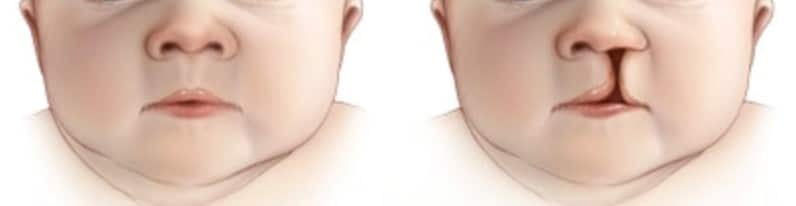
4. Asymmetrical Upper Lip Tissues
Upper lip tissue asymmetry is often associated with a cleft lip.
Correction: Cleft lip repair or revision for patients with a cleft lip.
5. Uneven Nasolabial Fold Depth
Differences in nasolabial fold depth can affect the position of the alar bases, making the nostrils appear asymmetrical.
Correction: Filler injections or autologous fat grafting may improve balance between the two sides. If the folds are associated with sagging facial skin and deeper tissues, a midface lift may also be considered.
6. Maxillary Asymmetry
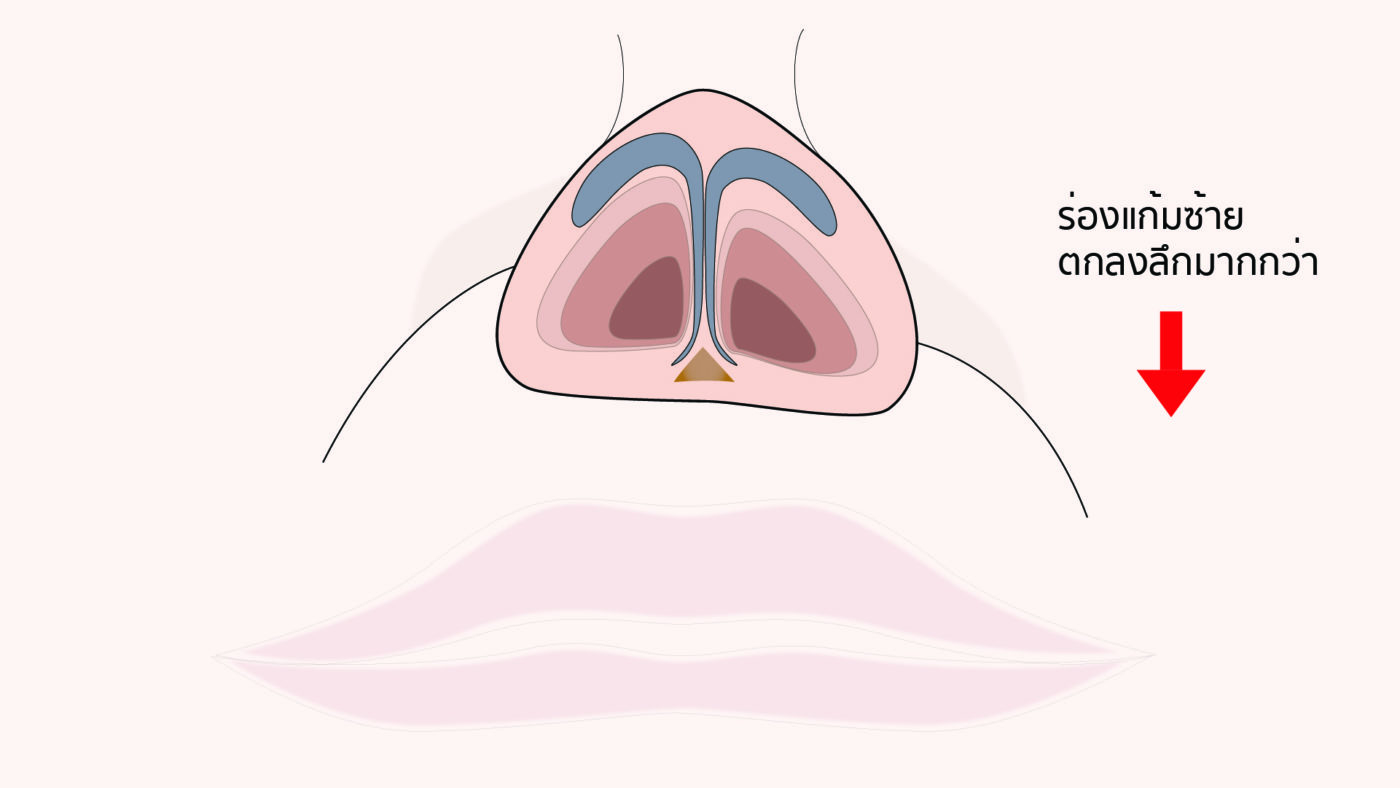
Asymmetry of the maxillary bone can cause the alar bases to sit at different heights. In Dr. Gorn's experience, this is an often-overlooked finding among Thai patients, particularly on the left side of the face. If the underlying asymmetry is not addressed, alar reduction or nasal augmentation alone may not correct nostril symmetry.
Correction: Options include fillers or autologous fat grafting. Another approach is augmentation with a silicone implant beneath the periosteum in the canine fossa region, below the nasolabial fold.
Facial Trauma or Previous Facial Surgery
Nostril asymmetry may develop following facial trauma or surgery to treat facial conditions, such as tumors.
These changes often involve tissue loss at the nasal tip or around the nose, either from the injury itself or from subsequent surgery.
Scar contracture after an injury can also pull on the structures supporting the nostrils, causing differences in their shape.
Correction: Treatment can be challenging, especially when there is extensive loss of facial soft tissue.
Changes Following Rhinoplasty
Post-rhinoplasty nostril deformities are frequently encountered in Dr. Gorn's practice. Some cases are relatively straightforward to correct, while others are difficult or may not be fully correctable. Several causes can occur together. In his experience, these problems are often seen after placement of a large silicone implant through an incision on one side. The possible causes are outlined below.
1. Inappropriate Incision Placement or Wound Closure
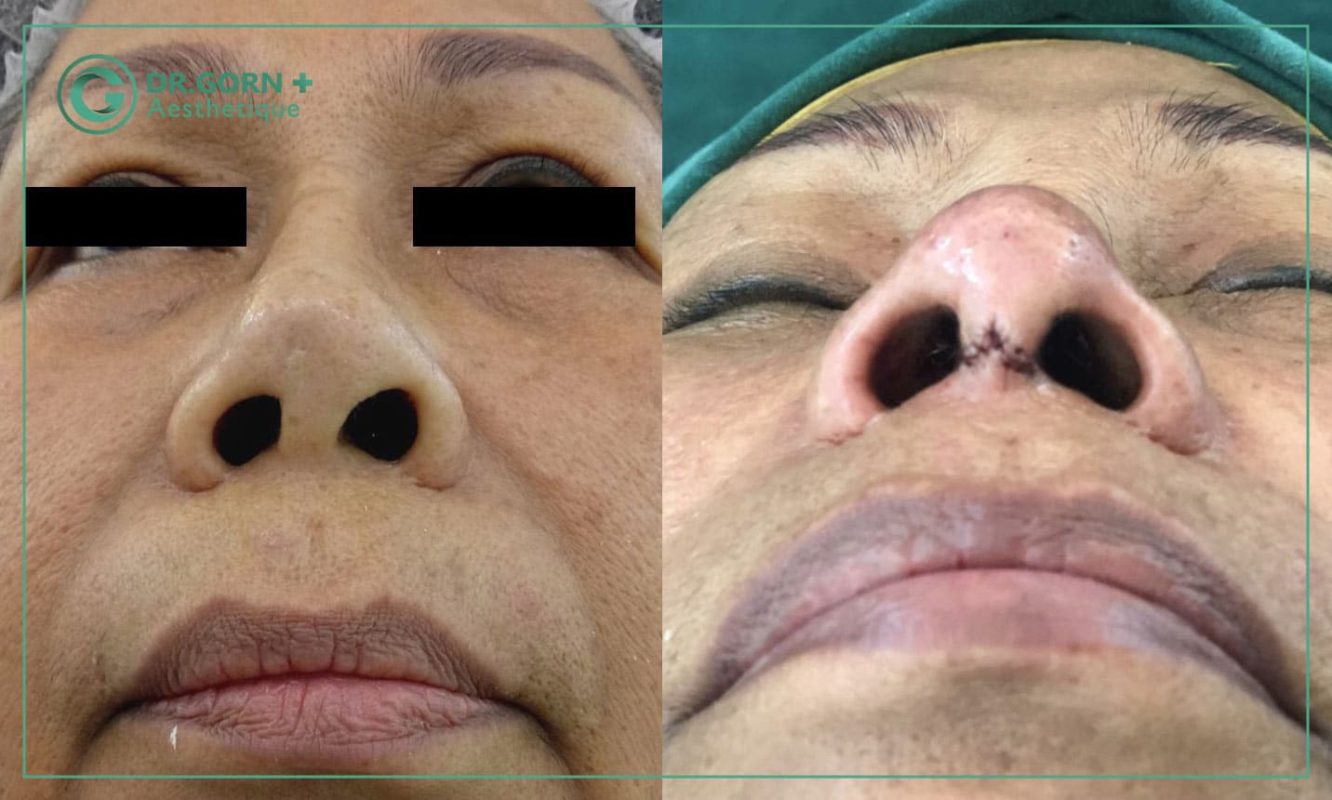
An incision or wound closure near the nostril rim can distort its shape if the tissues are not aligned with their original position or closed symmetrically. Raised scars may develop when the incision is too close to the outer nostril rim, or when sutures extend beyond it. Such problems may occur with either closed or open techniques if incision placement or closure is inadequate.
Correction: Surgical revision of the tissues around the nostril, often through open structural rhinoplasty. The achievable result depends on the severity of the problem.
2. A Bulky or Misaligned Silicone Implant Tip
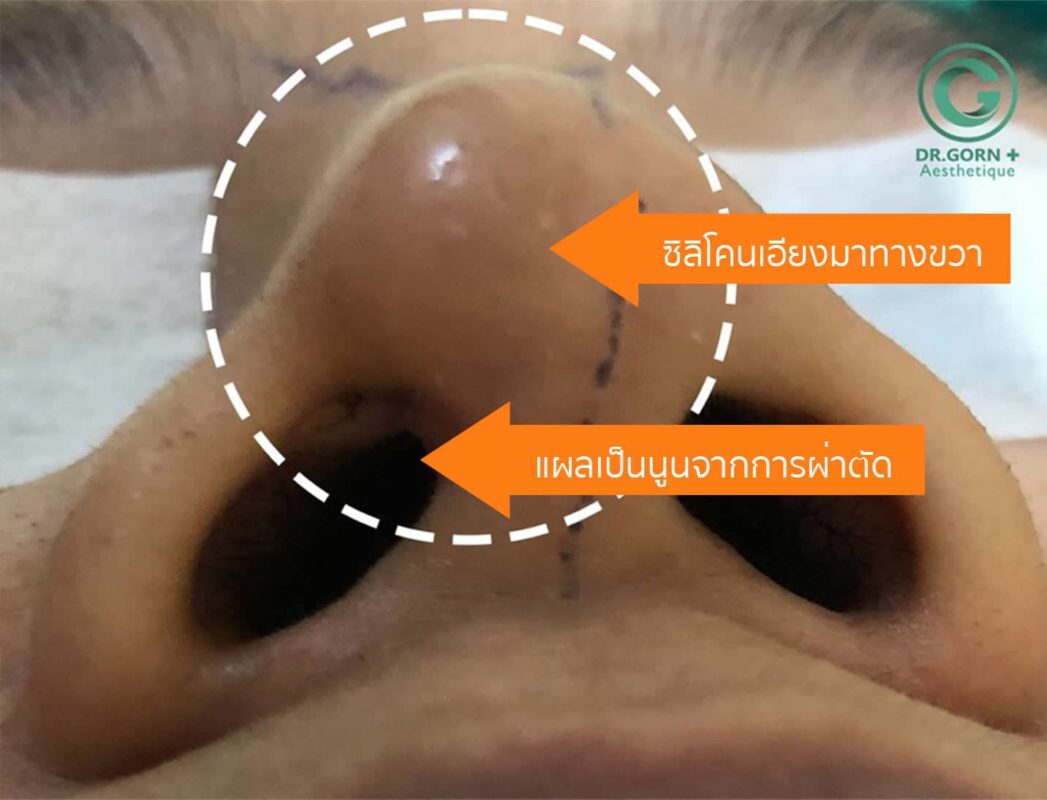
A thick, oversized, or misaligned implant tip can press unevenly on the lower lateral cartilages, flattening one nostril more than the other. This may occur with a long, thick implant inserted through a one-sided incision. It can also occur after open rhinoplasty if silicone is used to augment the nasal tip.
Correction involves open structural rhinoplasty to reposition the lower lateral cartilages and improve support on both sides using ear cartilage or rib cartilage, without using silicone to augment the tip.
3. Lower Lateral Cartilage Injury During Surgery
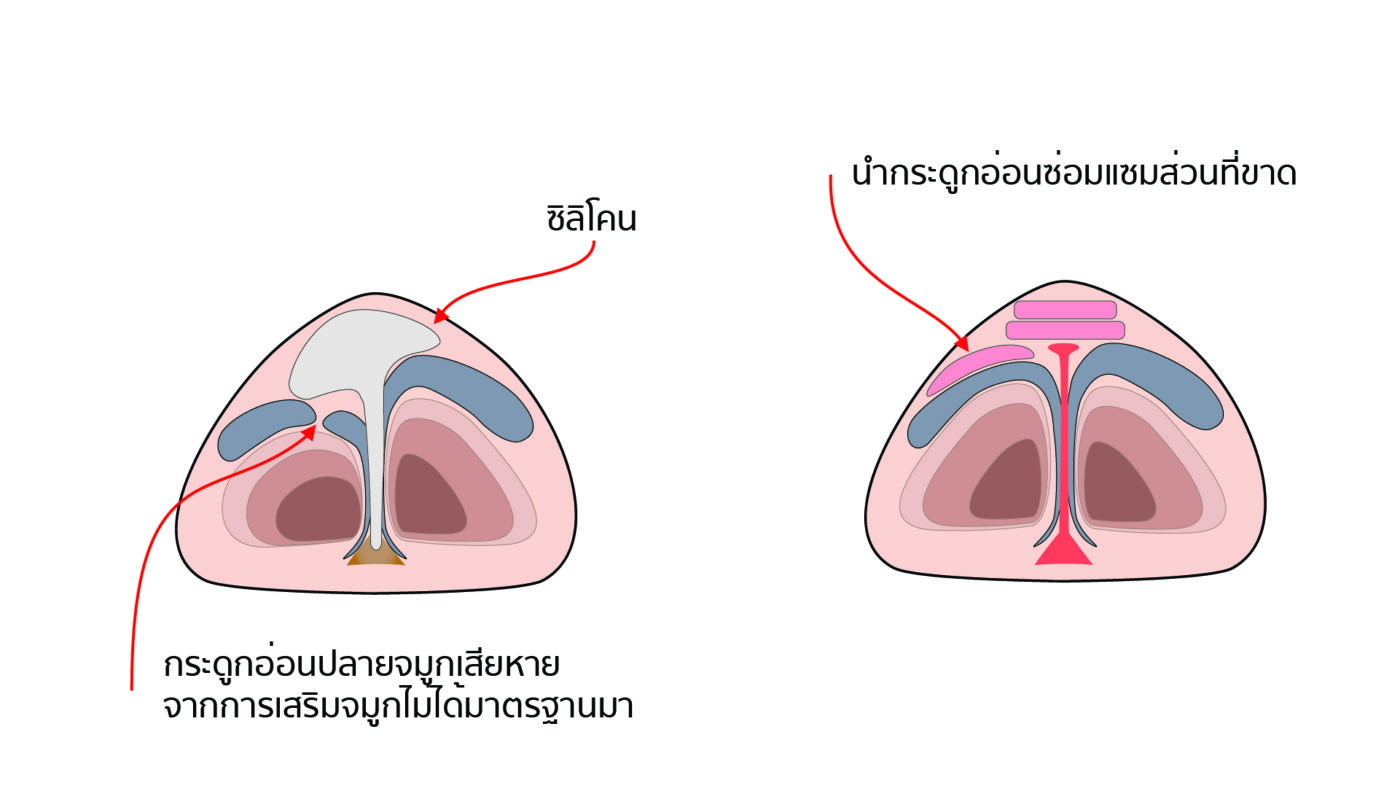
Damage or disruption of the lower lateral cartilages during surgery can create differences in their position and strength, leading to uneven nostrils. In Dr. Gorn's experience, this is often seen after closed rhinoplasty using silicone at the nasal tip.
Correction: Open structural rhinoplasty to repair the damaged cartilage, restore balanced support, and improve positioning on both sides using ear cartilage or rib cartilage. Silicone is avoided at the nasal tip.
4. Silicone Implant Extrusion Inside a Nostril
Implant extrusion inside a nostril may occur with infection, damaging the soft tissues of the nostril rim. Subsequent scar contracture can create nostril asymmetry. Dr. Gorn frequently encounters this problem with implants that are too long or have oversized tip and columellar portions. It can occur even when ear cartilage is used to cover the implant tip. Repeating the same silicone-based tip augmentation may worsen the problem and make further correction more difficult.
Correction: Open structural rhinoplasty combined with reconstruction of the nostril rim tissues. Results depend on the severity of the damage. If an implant has extruded inside a nostril, prompt medical assessment is needed. Management described here includes implant removal, coverage of the affected area with the patient's own tissue when appropriate, and prescribed antibiotics before planning further reconstruction.
5. Uneven Alar Reduction
Asymmetry may result from inappropriate alar reduction or uneven wound closure. It can also occur when alar reduction is performed without addressing an existing deviated nasal tip.
Correction: Revision alar surgery combined with correction of other contributing nasal tip structures.
Uneven nostrils can have many causes, and several often occur together. Each patient therefore needs a detailed assessment to identify the contributing structures and develop an individualized correction plan.
If you have further questions or concerns about uneven nostrils, you can submit photographs for an initial online consultation or arrange an in-person consultation with the doctor.



