
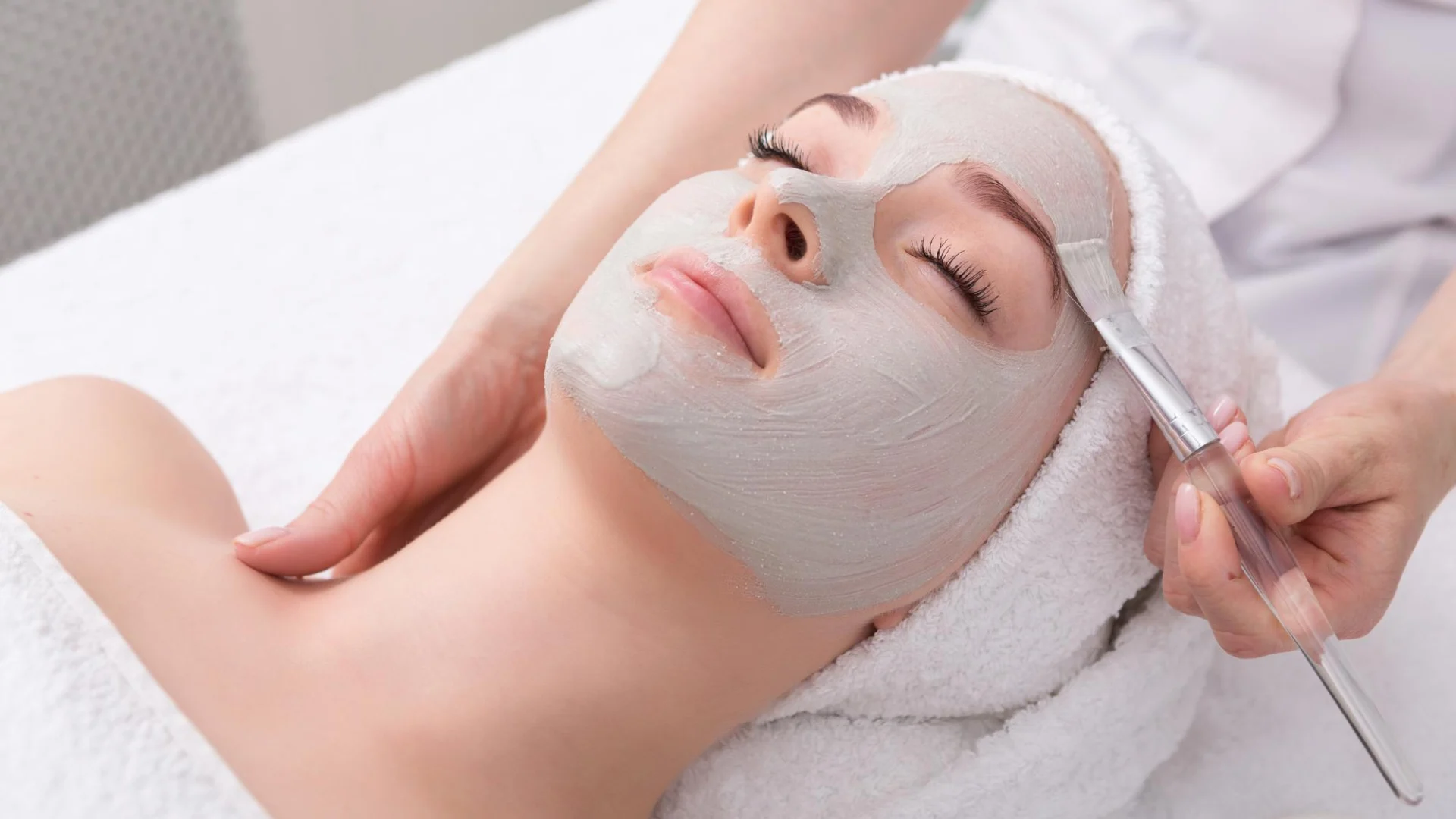
Facial Treatment is a personalized skincare program designed according to each individual's skin condition and concerns. It focuses on supporting skin cleanliness, hydration, skin texture, and overall skin quality, while complementing an appropriate daily skincare routine.
Everyone's skin differs in terms of skin type, hydration, sebum production, sensitivity, pigmentation, and the aging process. Therefore, selecting a Facial Treatment should begin with a skin assessment rather than applying the same program to everyone.
At Dr. Gorn Aesthetique, Facial Treatments are selected according to individual skin concerns and needs, allowing suitable procedures, skincare products, and technologies to be incorporated into a personalized skincare plan.
What Is a Facial Treatment?
A Facial Treatment is a skincare procedure that uses techniques and products selected according to the individual's skin condition. It may include facial cleansing, care for the outermost skin layer, hydration, and the application of appropriate skincare products.
Depending on the program, treatment components may include:
- Deep Cleansing
- Exfoliation When Appropriate
- Hydration Treatment
- Skin Barrier Care
- Application of Serums or Active Ingredients
- Facial Masks
- Additional Devices or Technologies According to the Program
- Sun Protection After Treatment
Not every patient requires every step, particularly individuals with sensitive skin or specific skin conditions.
What Are the Benefits of Facial Treatments?
Depending on the skin condition and the selected program, Facial Treatments may help address the following concerns:
- Dry or Dehydrated Skin
- Oily Skin or Excess Sebum
- Dull or Tired-Looking Skin
- Uneven Skin Texture
- Skin Barrier Maintenance
- The Appearance of Pores and Excess Oil
- Skin Affected by Pollution and Daily Lifestyle Factors
- Overall Skin Quality
Individuals with skin diseases or conditions requiring medical treatment should undergo an appropriate assessment before selecting a Facial Treatment.
What Types of Facial Treatments Are Available?
There is no single standardized classification of Facial Treatments, as programs can be customized to address different skin concerns. Common examples include:
Hydrating Facial
A Hydrating Facial focuses on replenishing and maintaining skin moisture. It may be suitable for individuals with dry, dehydrated, or easily tightened skin.
Deep Cleansing Facial
A Deep Cleansing Facial emphasizes thorough cleansing and the management of excess sebum. It may be appropriate for skin requiring additional cleansing, provided the procedure does not excessively disrupt the skin barrier.
Brightening Facial
A Brightening Facial focuses on improving the overall appearance of dull or uneven-looking skin through active ingredients selected according to the individual's skin condition.
For individuals with noticeable melasma, freckles, or hyperpigmentation, the underlying cause should be assessed, as a Facial Treatment alone may not be sufficient.
Soothing Facial
A Soothing Facial focuses on gentle skin care and calming certain types of sensitive or easily irritated skin. Products and treatment steps should be selected carefully to minimize the risk of additional irritation.
Rejuvenating Facial
A Rejuvenating Facial focuses on maintaining skin quality, hydration, and texture as they change with age. It may also form part of a broader facial rejuvenation program.
Can Facial Treatments Make Skin Look Brighter?
If dullness is associated with dryness, an accumulation of dead surface skin cells, or an imbalanced skin barrier, appropriate skincare may help the skin appear brighter, smoother, and more refreshed.
However, if uneven skin tone is caused by melasma, freckles, post-inflammatory hyperpigmentation, or other pigmentation disorders, further evaluation and targeted treatments may be necessary.
Can Facial Treatments Improve the Appearance of Pores?
The appearance of pores is influenced by several factors, including genetics, sebum production, age, skin elasticity, and overall skin condition.
Managing excess oil and improving overall skin quality may help the skin texture appear smoother in some individuals. However, Facial Treatments should not be promoted as a way to permanently eliminate pores.
Can Facial Treatments Help Reduce Acne?
Certain Facial Treatments may support skincare for oily or congestion-prone skin. However, acne is a multifactorial skin condition with several possible underlying causes.
Individuals with inflammatory acne, severe acne, or persistent breakouts should receive an appropriate assessment and treatment plan. Facial Treatments should not replace comprehensive medical acne treatment when it is needed.
What Is the Difference Between Facial Treatment and Mesotherapy?
Facial Treatment generally involves external skincare procedures and may include supportive devices depending on the program, without injecting substances into the tissues.
Mesotherapy, on the other hand, involves using needles to deliver selected products into specific tissue layers.
Therefore, these approaches differ in their techniques, depth of product delivery, and clinical indications.
What Is the Difference Between Facial Treatment and Skin Booster?
Skin Boosters are a category of injectable treatments that deliver products into the tissues to address hydration and skin quality, according to the properties and intended indications of the specific product.
In contrast, Facial Treatments primarily focus on external skincare and skin barrier maintenance without injections.
Both approaches may be incorporated into the same skincare plan, but selection should depend on each individual's skin concerns and treatment goals.
Can You Have a Facial Treatment After Botox or Fillers?
Facial Treatments may be scheduled after injectable procedures, but the timing and type of Facial Treatment must be carefully considered.
After Botox, dermal fillers, skin boosters, or other injectable treatments, patients should avoid unnecessary pressure, massage, or device-based procedures over recently treated areas until their physician considers it appropriate.
Always inform the skincare professional about any recent aesthetic procedures before receiving a Facial Treatment.
How Often Should You Have a Facial Treatment?
There is no single treatment frequency that is suitable for everyone. The appropriate schedule depends on several factors, including:
- Skin Type
- Specific Skin Concerns
- Products and Active Ingredients
- Type of Facial Treatment
- Skin Barrier Condition
- Home Skincare Routine
- Other Treatments or Procedures Performed
Excessively frequent treatments, particularly repeated exfoliation, may lead to irritation or disruption of the skin barrier.
Who May Benefit from Facial Treatments?
Individuals may consider a Facial Treatment assessment if they:
- Wish to Maintain Healthy Facial Skin
- Have Dry or Dehydrated Skin
- Have Oily Skin or Excess Sebum Production
- Have Dull or Tired-Looking Skin
- Experience Uneven Skin Texture
- Wish to Support Their Skin Barrier
- Need Appropriate Skin Care Before or After Aesthetic Procedures, as Advised
- Wish to Establish an Ongoing Skin Maintenance Plan
Are There Side Effects of Facial Treatments?
Depending on the products and techniques used, possible side effects include redness, dryness, stinging, irritation, or reactions to certain ingredients.
Individuals with sensitive skin, dermatological conditions, open wounds, infections, or a history of recent aesthetic procedures should inform the provider before treatment so that suitability can be assessed.
How Should You Care for Your Skin After a Facial Treatment?
After a Facial Treatment, focus on skin barrier care and sun protection by choosing gentle products appropriate for your skin type.
If the treatment includes exfoliation, avoid applying potentially irritating active ingredients during the initial recovery period as advised. Appropriate daily sunscreen use is also recommended.



