
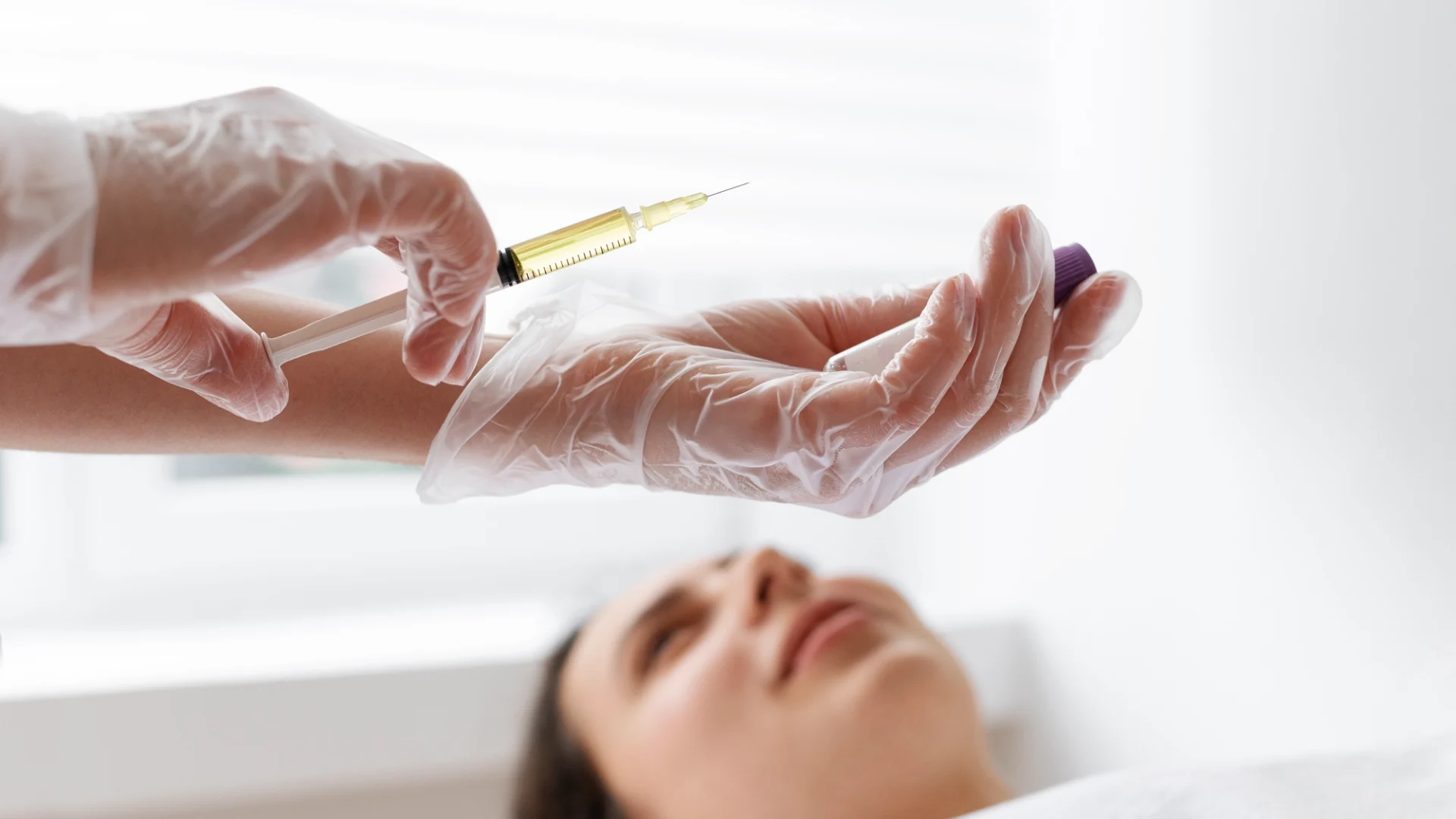
Stem Cell Therapy is a medical approach that explores and applies the biological properties of stem cells in tissue repair and regeneration. One type of cell that has attracted considerable research interest is Mesenchymal Stem/Stromal Cells (MSCs).
MSCs can be found or isolated from various tissues, including bone marrow, adipose tissue, and perinatal tissues. However, cell source, preparation methods, cell quality, and intended medical indications are crucial factors influencing the safety and effectiveness of treatment.
Important Note: Stem Cell Therapy should not be presented as a proven "anti-aging treatment" or a universal method for restoring health. Many applications of MSCs remain under clinical investigation, and regulatory approval varies according to the product, medical indication, and laws of each country.
What Are Mesenchymal Stem Cells (MSCs)?
Mesenchymal Stem/Stromal Cells (MSCs) are a group of cells extensively studied in regenerative medicine because of their biological characteristics, including their ability to differentiate into certain cell types and release substances involved in cellular communication and the surrounding tissue environment.
Research on MSCs covers several areas, including tissue repair, immunomodulation, and regenerative medicine.
However, findings from laboratory experiments or research studies should not be interpreted as proof that MSCs can treat every disease or regenerate all organs and tissues in humans.
Where Do MSCs Come From?
MSCs can be studied and isolated from several tissue sources, including:
- Bone Marrow
- Adipose Tissue
- Umbilical Cord / Perinatal Tissues
- Other tissue sources depending on the development and manufacturing process of the specific product
Cells obtained from different sources do not necessarily have identical properties. Important considerations also include collection, isolation, culture, expansion, characterization, storage, and quality control.
Therefore, the term "MSC" alone does not establish the quality or clinical effectiveness of a cell-based product.
How Does Stem Cell Therapy Work?
MSC research extends beyond the cells' ability to differentiate into other cell types. Considerable attention is also given to paracrine signaling, in which cells release biological substances and signals that may influence neighboring cells and tissues.
Mechanisms currently being investigated include:
- Cell-to-Cell Signaling
- Paracrine Effects
- Immunomodulatory Effects
- Tissue Repair Responses
- Angiogenic Signaling
- Extracellular Vesicles and Other Cell-Secreted Substances
These mechanisms may vary depending on the type of MSCs, cell preparation methods, dosage, route of administration, and the targeted disease or tissue.
What Is MSC Therapy Used For?
MSCs are being investigated across multiple areas of regenerative medicine, including:
- Musculoskeletal and Orthopedic Research
- Cartilage and Tissue Repair
- Inflammatory and Immune-Mediated Conditions
- Wound Healing
- Regenerative Medicine
- Tissue Engineering
- Other Medical Applications Under Investigation
However, the fact that MSCs are being studied for a particular disease or condition does not mean they have been approved to treat that condition.
Patients should verify the specific product's medical indications, regulatory approval status, supporting clinical evidence, and relevant regulatory authority before considering treatment.
Can MSC Therapy Be Used for Anti-Aging?
The term "Stem Cell Anti-Aging" is frequently used in marketing but should be approached with caution.
At present, MSC Therapy should not be promoted as a proven method to reverse aging, slow whole-body aging, extend lifespan, or regenerate every organ system.
Aging is a complex biological process involving multiple body systems. Therefore, using MSCs for healthy aging or longevity should be considered in light of clinical evidence and the regulatory status of the specific treatment, rather than relying on the term "stem cell" alone.
Can MSC Therapy Rejuvenate the Skin?
MSCs and related cell-derived substances are being studied in skin biology, wound healing, and tissue regeneration.
However, it is important to clearly distinguish between:
Research involving MSCs
and
Products or procedures that have received regulatory approval for clinical use in patients
These represent different levels of scientific evidence and clinical authorization.
If the goal is skin rejuvenation, patients should compare MSC-related approaches with treatments that have relevant indications and supporting evidence for their specific concerns, such as skin boosters, biostimulators, PRP, PRF, or energy-based devices, where appropriate.
How Are MSCs Different from PRP and PRF?
Platelet-Rich Plasma (PRP) and Platelet-Rich Fibrin (PRF) are prepared from the patient's own blood. They involve platelets, fibrin, and biologically active substances associated with tissue responses.
In contrast, MSC Therapy involves mesenchymal stem/stromal cells and specific cell preparation procedures, which generally require more complex cell processing and quality control.
Therefore, MSCs, PRP, and PRF are not the same types of treatment, and the terms should not be used interchangeably.
How Are MSCs Different from Exosomes?
MSCs are cells, whereas extracellular vesicles (EVs), including certain particles called exosomes, are small structures released by cells that can participate in communication between cells.
Therefore, "Stem Cell Therapy" and "Exosome Therapy" are not equivalent.
Products marketed as exosomes should be evaluated separately based on their source, manufacturing methods, purity, quality, clinical evidence, and regulatory approval status.
What Is the Difference Between Autologous and Allogeneic MSCs?
Autologous refers to cells obtained from the patient receiving treatment.
Allogeneic refers to cells obtained from a donor.
These approaches differ in cell collection, culture, quality control, immunological considerations, and regulatory requirements.
Therefore, evaluation should extend beyond whether the cells come from the patient or a donor to include the entire manufacturing and quality assurance process of the cell-based product.
Why Is MSC Quality Important?
Stem Cell Therapy should not be evaluated solely by the advertised number of "millions of cells."
Important factors to consider include:
- Cell Identity
- Cell Viability
- Purity
- Sterility
- Source of Cells
- Manufacturing Process
- Culture and Expansion Process
- Quality Control
- Storage and Transportation
- Clinical Indication
Consequently, two products containing the same advertised number of MSCs do not necessarily have equivalent biological properties or quality.
Is Stem Cell Therapy Safe?
Stem Cell Therapy should not be described as "100% safe" or "free from side effects."
The risks depend on the cell source, manufacturing process, route of administration, cell dose, patient's health status, and specific product used.
Potential risks may include:
- Infection or Contamination
- Immune Reactions in Certain Circumstances
- Reactions Associated with the Route of Cell Administration
- Adverse Effects Related to Cell Collection or Administration
- Unknown Risks Associated with Treatments That Have Limited Long-Term Safety Data
Stem cell-based treatments should therefore be conducted within an appropriate medical and regulatory framework.
What Should You Ask Before Considering MSC Therapy?
Before deciding on MSC Therapy, patients should obtain answers to at least the following questions:
- Where do the cells come from?
- Are the cells autologous or allogeneic?
- Where are the cells manufactured and prepared?
- What quality control procedures are used?
- What is the medical indication for treatment?
- Is there supporting clinical evidence?
- Has the treatment been approved by the relevant regulatory authority for that indication?
- What are the potential risks and side effects?
- What follow-up and monitoring are provided after treatment?
This information is more important than selecting a treatment based solely on marketing terms such as "Premium Stem Cell" or the advertised cell count.



