
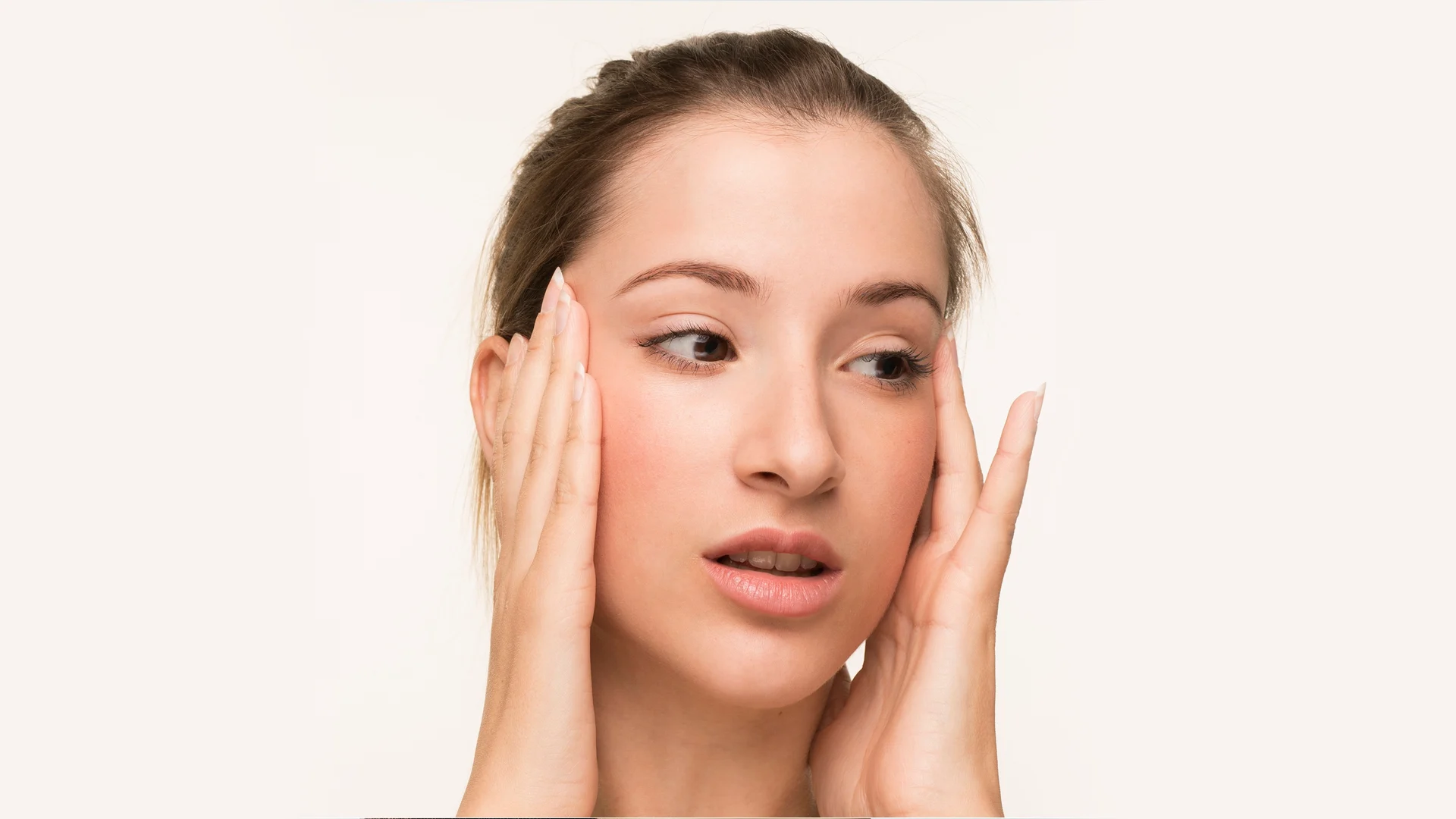
Lower Blepharoplasty (Under-Eye Bag Surgery) is a surgical procedure designed to address under-eye bags, protruding lower eyelid fat, or loose skin beneath the eyes, which may make the face appear tired or older. Surgical planning is based on each patient's periorbital anatomy to create a smoother under-eye contour that complements the face.
At Dr. Gorn Aesthetique, the surgeon carefully evaluates the structures surrounding the eyes, fat volume, skin quality, and degree of laxity before selecting an appropriate surgical technique.
What Causes Under-Eye Bags?
Under-eye bags can develop for several reasons, particularly age-related changes in the structures surrounding the eyes. As the tissues supporting the lower eyelids weaken, the fat around the eyes may shift or protrude, creating visible under-eye bags.
Other contributing factors may include:
- Genetics and facial anatomy
- Laxity of the skin and muscles around the eyes
- Protrusion of lower eyelid fat
- Age-related changes in the bones and tissues of the midface
- Loss of skin elasticity
Correcting under-eye bags therefore requires an assessment of the underlying causes and overall anatomy rather than focusing solely on the amount of fat beneath the eyes.
What Is Lower Blepharoplasty?
Lower Blepharoplasty is a surgical procedure performed on the lower eyelids to adjust fat, skin, or other tissues contributing to under-eye bulging and laxity.
Depending on the individual's concerns, the surgeon may remove some fat, reposition existing fat, or modify the supporting structures beneath the eyes.
The goal is to create a smoother under-eye appearance, reduce prominent bags, and preserve the natural shape of the eyes.
Lower Blepharoplasty Techniques
Surgical techniques vary according to individual anatomy and the concerns requiring correction. The two main approaches include:
Transconjunctival Lower Blepharoplasty
Transconjunctival Lower Blepharoplasty involves an incision inside the lower eyelid, leaving no surgical incision on the external skin.
This technique may be suitable for individuals with protruding under-eye fat but little or no excess skin or significant laxity.
Transcutaneous Lower Blepharoplasty
This approach uses an incision near the lower lash line, allowing the surgeon to adjust fat and remove excess skin during the same procedure.
It may be suitable for individuals with both under-eye bags and lower eyelid skin laxity.
The surgeon selects the appropriate technique after considering age, skin quality, fat volume, and periorbital anatomy.
Under-Eye Fat Repositioning
In some cases, removing under-eye fat alone may not be the most appropriate approach, particularly for individuals with deep tear troughs or a pronounced hollow at the junction between the lower eyelid and cheek.
The surgeon may consider Fat Repositioning, which involves moving protruding fat into an adjacent hollow area to help create a smoother transition between the lower eyelid and cheek.
The decision to remove or reposition fat depends on each patient's anatomy.
Who May Be Suitable for Lower Blepharoplasty?
Individuals with the following concerns may consider a surgical assessment:
- Prominent under-eye bags or protruding lower eyelid fat
- Under-eye puffiness despite adequate rest
- Loose or sagging skin beneath the eyes
- Both under-eye bags and tear trough hollows
- An under-eye appearance that makes the face look tired or older
- A desire for smoother under-eye contours that complement the face
Under-eye bags, dark circles, and tear trough hollows can have different underlying causes. Surgery may therefore not address every concern completely, and a professional evaluation is important before selecting treatment.
What Are the Steps of Lower Blepharoplasty?
Before surgery, the surgeon examines the structures surrounding the eyes, evaluates fat volume, skin laxity, and tear trough position, and reviews the patient's medical history and medications.
The general process includes:
- Assessing periorbital and facial anatomy
- Planning incision placement and surgical technique
- Preparing for surgery
- Performing the procedure and adjusting tissues according to the surgical plan
- Monitoring postoperative healing and recovery
Surgical details and anesthesia methods vary according to the selected technique and individual circumstances.
How Long Is Recovery After Lower Blepharoplasty?
Temporary swelling, bruising, or tightness around the eyes may occur after surgery. These symptoms generally improve as the body heals.
Patients should avoid rubbing their eyes, strenuous exercise, and activities that may impact the eye area. They should also follow their surgeon's instructions and attend scheduled follow-up appointments.
Recovery time and the time required for the results to settle vary between individuals.
Postoperative Care After Lower Blepharoplasty
- Follow the surgeon's wound care instructions
- Avoid touching or rubbing the area around the eyes
- Keep the head elevated during the initial recovery period as advised
- Avoid strenuous activities and exercise during recovery
- Use medications and eye drops as prescribed
- Attend scheduled follow-up examinations
If unusual symptoms occur, such as severe pain, significant bleeding, changes in vision, or other concerning symptoms, patients should contact their doctor immediately.
How Long Do Lower Blepharoplasty Results Last?
Lower Blepharoplasty can adjust the fat and tissues contributing to under-eye bags, but it cannot stop the natural aging process.
After surgery, the skin, muscles, bones, and surrounding tissues continue to change with age. Long-term results therefore vary according to age, genetics, facial anatomy, and individual health and lifestyle factors.
What Are the Risks of Lower Blepharoplasty?
Lower Blepharoplasty is a surgical procedure and carries risks similar to other operations, including swelling, bruising, bleeding, infection, scarring, asymmetry, dry eyes, or changes in lower eyelid position.
Before surgery, patients should receive comprehensive information from their surgeon about the potential benefits, limitations, and risks.



