
A short nose is a common concern, particularly among Asian patients (Congenital Short Nose). The nasal bones may be short and wide, making the nose appear even shorter, while the cartilaginous septum may also be short. In addition to genetics and ethnicity, other possible causes include:
- Previous injury to the nose (Nasal Trauma).
- Previous surgery involving tissue removal (Ablative Surgery), particularly excessive hump removal (Excessive Humpectomy), or repeated operations that cause scar tissue to contract and shorten the nose (Fibrotic Scar Contracture).
- Damage to the nasal septum associated with substance misuse, such as prolonged cocaine use. The original article also mentions prolonged use of pseudoephedrine nasal spray.
A Short Nose Can Be Classified into Four Types
1. A Short Nose Caused by Short Nasal Bones and/or Nasal Cartilage

2. A Short Nose Caused by an Excessively Upturned Tip (Excessive Tip Rotation)

3. A Short Nose Caused by a Very Low Nasal Root Between the Eyebrows (Low Radix)

4. A Short Nose Caused by a Combination of Factors (Types 1, 2 and 3)

Balanced Nasal Proportions
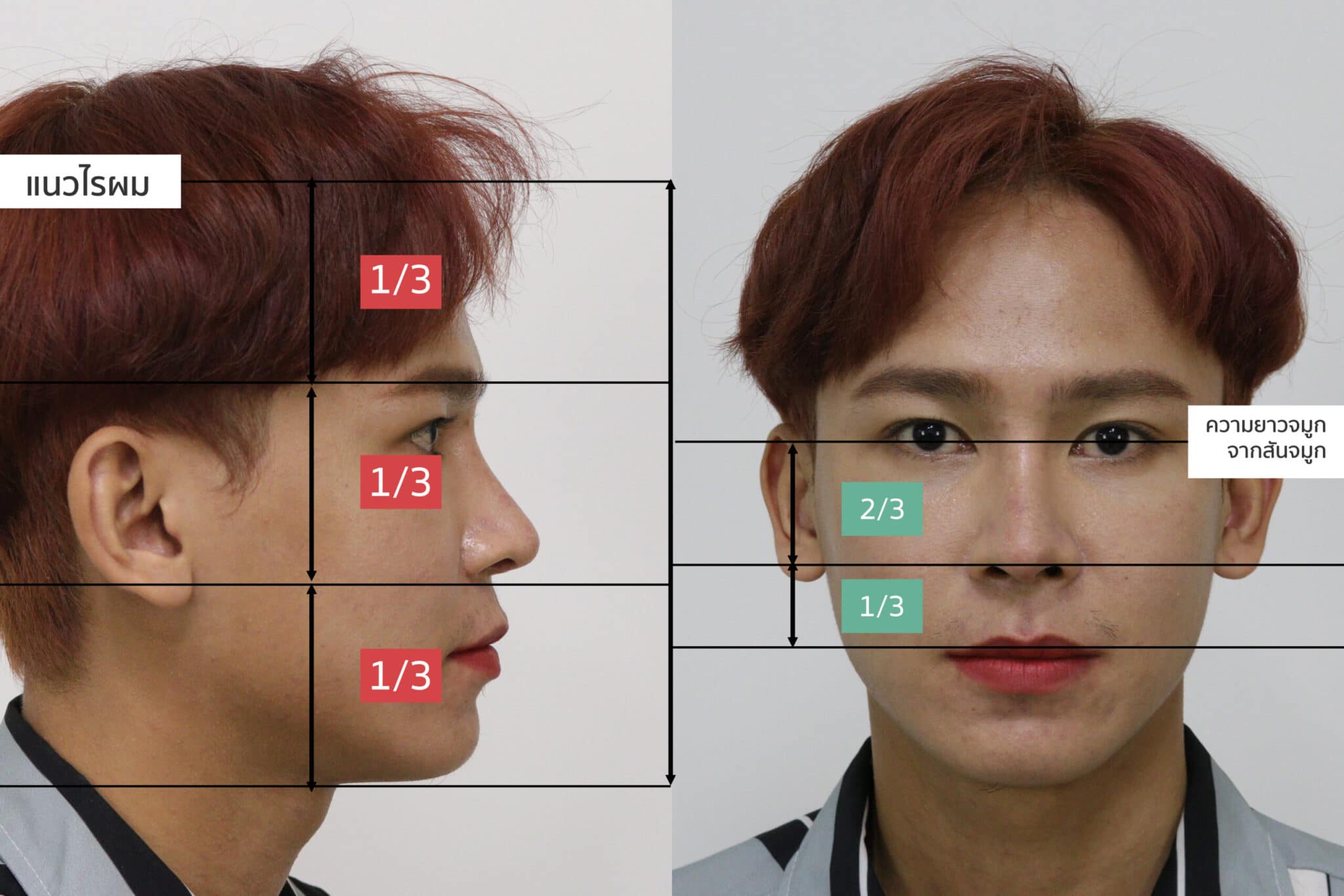
One reference used when assessing balanced facial proportions is nasal length, measured from the deepest point of the nasal root (Radix) to the nasal tip. In the proportions described here, this length is twice the distance from beneath the nostril base to the point where the upper and lower lips meet.
Correcting a Short Nose
1. When the Cause Is a Very Low Nasal Root (Low Radix)
Augmenting the nasal bridge (Dorsal Augmentation) with medical materials, such as silicone or fillers, or the patient's own tissue, such as dermofat, ear cartilage or rib cartilage, can make the nose appear longer. However, the nasal root should not be raised excessively toward the space between the eyebrows. This may create a harsher appearance, particularly in women, and an overly prominent profile sometimes called an Avatar Deformity. The upper eyelid crease or the midpoint of the pupil may be used as reference landmarks when planning the height and starting point of augmentation.

2. When the Entire Nasal Structure Is Short and/or the Tip Is Excessively Upturned
2.1. Lengthening the nasal tip by separating the upper lateral cartilage from the lower lateral cartilage allows the tip to be mobilized and extended. Its position, rotation and projection can then be adjusted according to the surgeon's plan to achieve more balanced proportions.

2.2. Removing a portion of the soft tissue at the nasal tip, with the amount tailored to patients with thick, oily skin may be considered because excess tissue can make lengthening and reshaping the nasal tip more difficult.

2.3. Strong cartilage is used to support and lengthen the central nasal framework with an Extended Spreader Graft (ESG). Another piece of cartilage, a Columellar Strut Graft (CS), is used to increase tip projection and provide stable support. Material options for ESG and CS include:

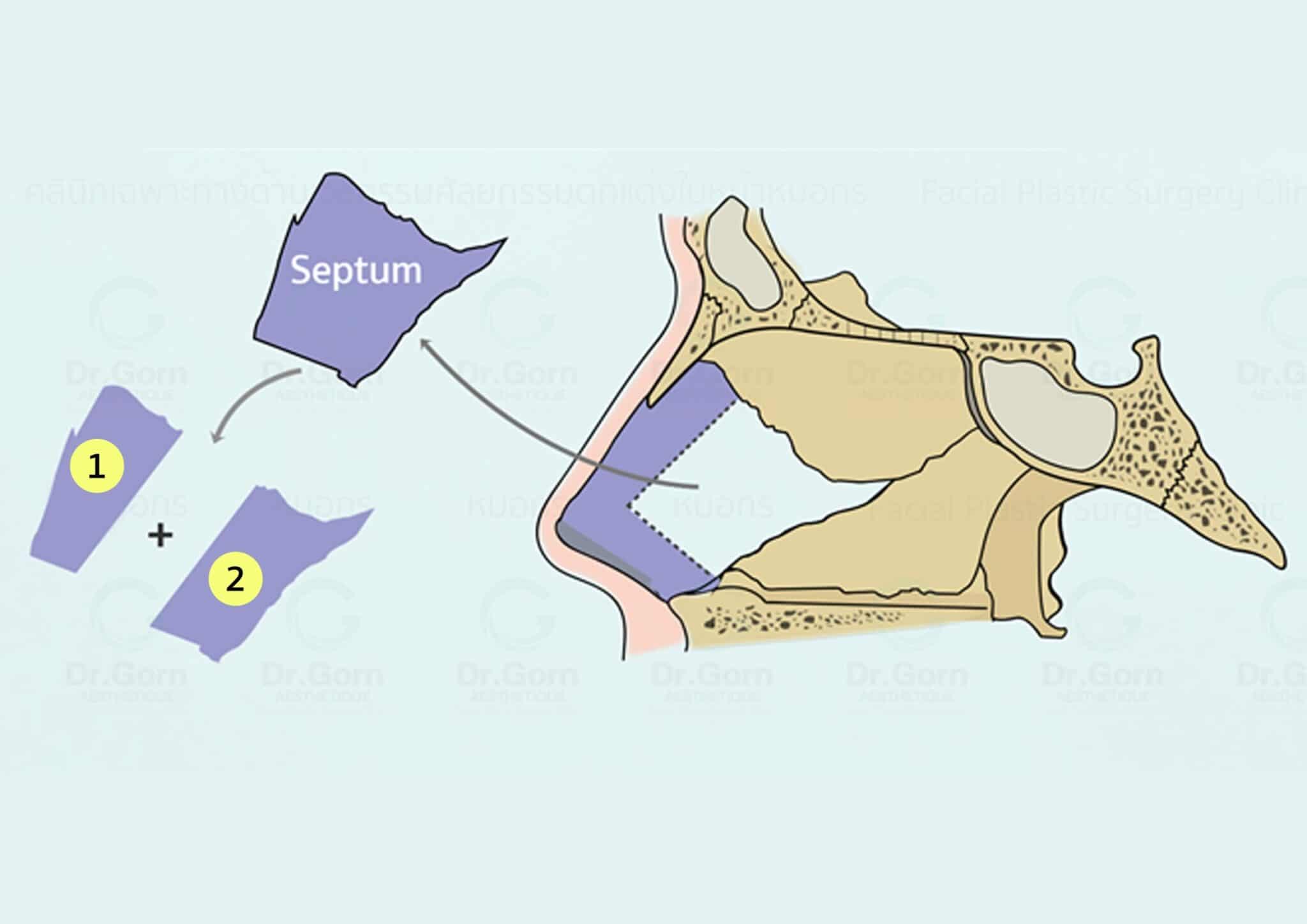
2.3.1. Septal cartilage is a commonly preferred material for increasing nasal length and projection because it offers a useful balance of strength and flexibility. However, some Asian patients may not have enough septal cartilage of sufficient length.
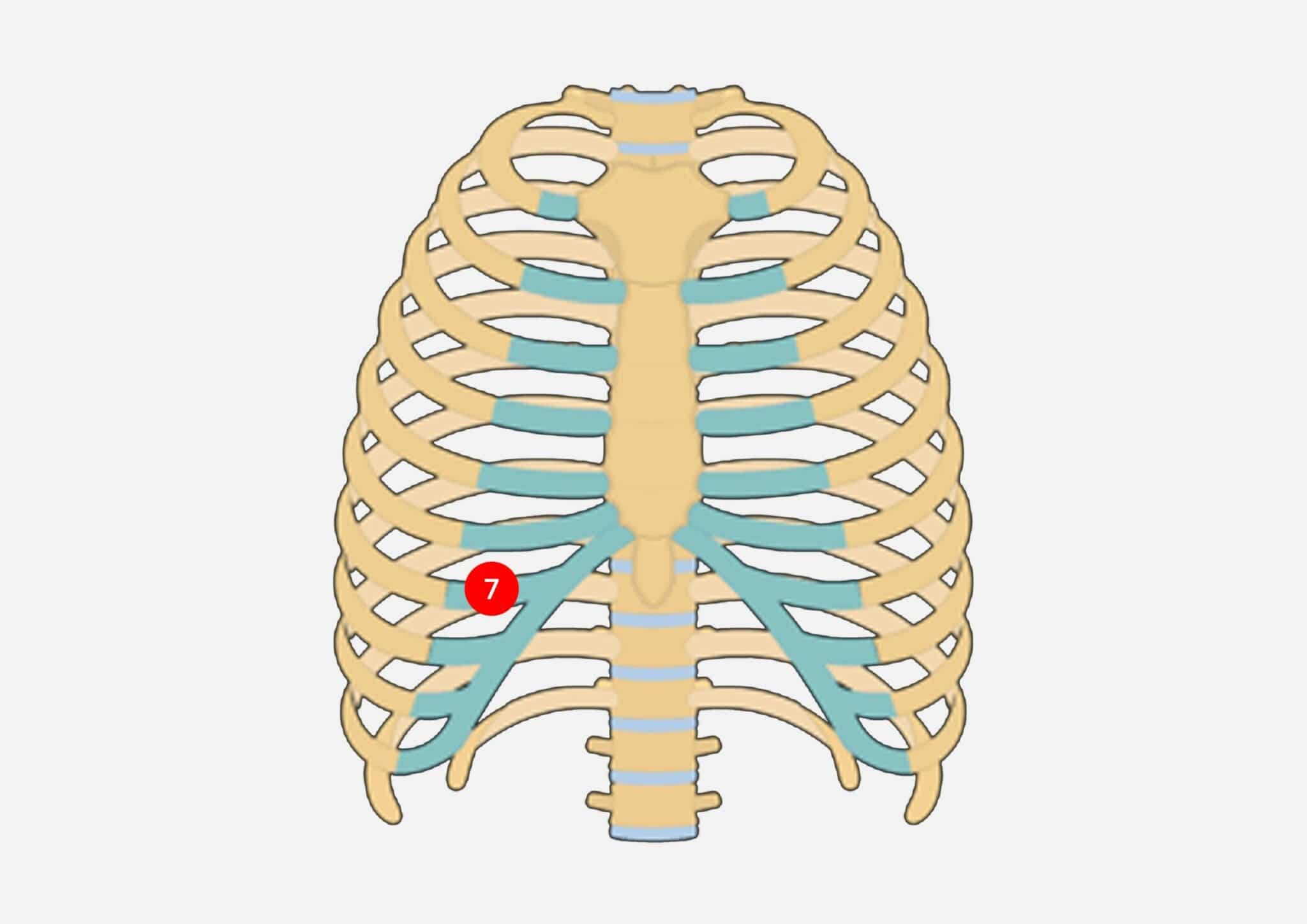
2.3.2. The patient's own rib cartilage (Autologous Costal Cartilage) provides enough material for several purposes in rhinoplasty. The seventh rib is a commonly selected donor site.
There are two main disadvantages of using rib cartilage:
2.3.2.1. Surgery is required at two sites: the chest area where the cartilage is harvested and the nose.
2.3.2.2. Rib cartilage can warp after surgery. The original article cites a warping rate of 3% at one year and notes that correction may be possible. In some patients, calcification can make the cartilage unsuitable or difficult to carve, particularly in women and people over 50. The article also notes that bony portions may resorb faster than cartilage. When an alternative is needed, the surgeon may consider donor rib cartilage treated with irradiation (IHCC, Irradiated Homologous Costal Cartilage). This option can be expensive, and its potential for resorption must be considered when selecting the material.
2.3.3. If rib cartilage cannot be used and other cartilage sources are insufficient, the surgeon may consider medical synthetic materials, such as polycaprolactone (PCL) or a PDS plate, together with septal cartilage and ear cartilage (Conchal Cartilage).
The approach described for these structural corrections is open rhinoplasty (Open Approach). Using a long silicone implant through a closed or semi open approach to push the tip forward, lengthen the nose or create a more pronounced tip can lead to later complications, including thinning of the tip skin, implant extrusion and infection. Some people believe that a long silicone implant combined with artificial tissue or ear cartilage over the tip can adequately correct a short nose. In my view as the treating surgeon, this does not address the underlying structural problem.
Challenges in Corrective Rhinoplasty
- Patients with thick skin or oily skin and persistent acne
Lengthening the nasal tip can be more difficult, and fibrotic scar tissue may develop more readily after surgery. Careful preparation and good acne control before surgery are therefore important. - Revision cases with substantial changes to the nasal structure
This is particularly relevant when the tip cartilage has been compressed by the tip or stem of a silicone implant for a long time, or damaged by repeated surgery. An external examination may not reveal the full extent of the problem because the implant continues to support the area. Some patients require an intranasal examination, while others may need a CT scan to assess the details and develop an appropriate, targeted surgical plan.


