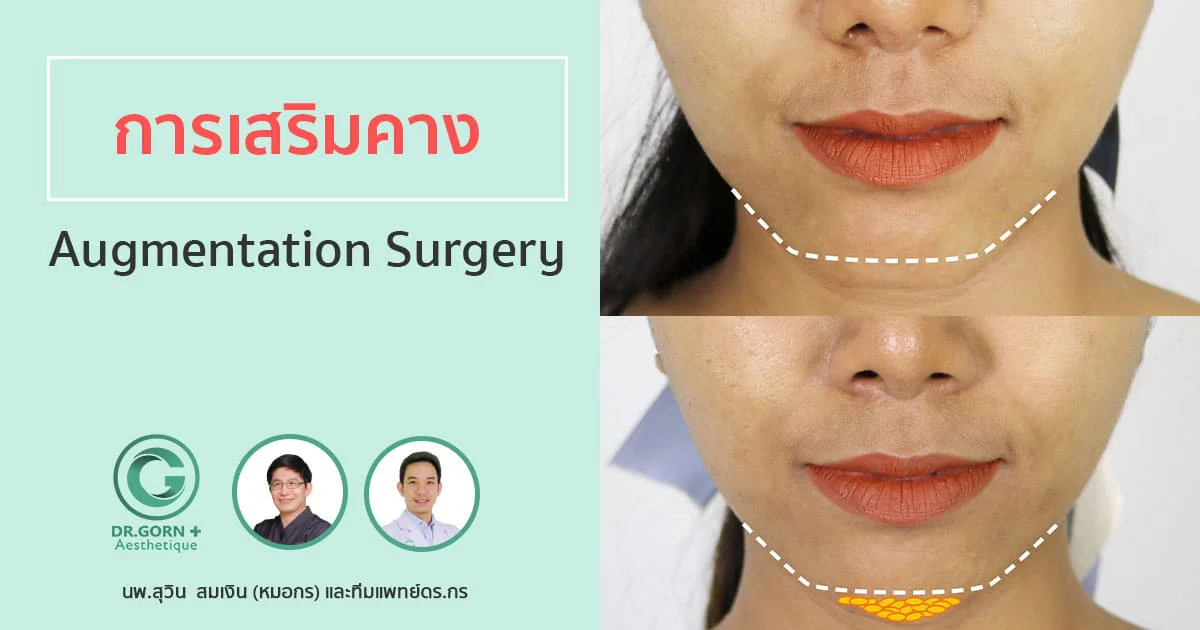
Chin augmentation is a popular facial contouring procedure in Thailand. It can improve facial proportions, create greater definition, and make the face appear longer and more slender, helping enhance confidence.
Today, a variety of techniques are available for chin reshaping, using either artificial materials or the patient's own tissue (autologous tissue).
Who May Benefit from Chin Augmentation or Reshaping?
- A short chin that affects facial proportions, a small chin, or a receding chin
- A square chin or a dimpled chin
- An excessively large chin
- A nose that appears overly prominent in relation to the chin
- Chin deformity following an injury
- Age-related skin laxity or fullness beneath the chin
What Methods Are Available for Chin Augmentation and Reshaping?
Chin reshaping can involve surgical, minimally invasive, or nonsurgical techniques. The materials used may be the patient's own tissue or manufactured medical materials.
1. Nonsurgical Chin Augmentation
Nonsurgical or minimally invasive chin augmentation may suit patients who need a modest increase in chin length or projection, generally less than 1 centimeter, or who prefer to avoid more extensive surgery and have limited time for recovery. Dermal fillers are a common option. Products differ in formulation, brand, cost, and longevity. Absorbable hyaluronic acid (HA) fillers are widely used. HA is a substance naturally present in the skin. Results typically last approximately 4–18 months, depending on the product's formulation and manufacturing technology.
For patients who prefer their own tissue and wish to avoid extensive surgery, chin augmentation using autologous fat transfer is another option. It can add volume and create a naturally fuller chin contour. Chin fillers and fat grafting have different advantages and limitations, as outlined below.


| Comparison | Chin Filler Injections | Chin Fat Grafting |
|---|---|---|
| Procedure complexity | Relatively straightforward and quick | More involved and takes longer |
| Natural appearance and feel | Can look natural, although excessive amounts may appear lumpy | Can look similarly natural and generally feels softer |
| Allergic reactions | Possible | Allergic reactions to the patient's own fat are not expected |
| Longevity | Depends on the filler product | Some fat may be absorbed initially; surviving fat can remain longer term |
| Redness or inflammation with superficial placement | Possible, particularly with inappropriate superficial placement | Complications are still possible, although the tissue response differs from that of fillers |
| Recovery | Usually limited swelling and minimal downtime | Usually more swelling; initial recovery may take approximately 2–3 days |
2. Surgical Chin Augmentation and Reshaping
Surgical chin reshaping may suit patients who need a greater increase in length or projection, including changes exceeding 1 centimeter, or those with a markedly receding chin. Surgery can also address an excessively large or protruding chin. The approaches can be divided into two main groups according to the materials and techniques used.
2.1. Chin Augmentation with Manufactured Medical Materials
Silicone implants are widely used for chin augmentation in Thailand and internationally.
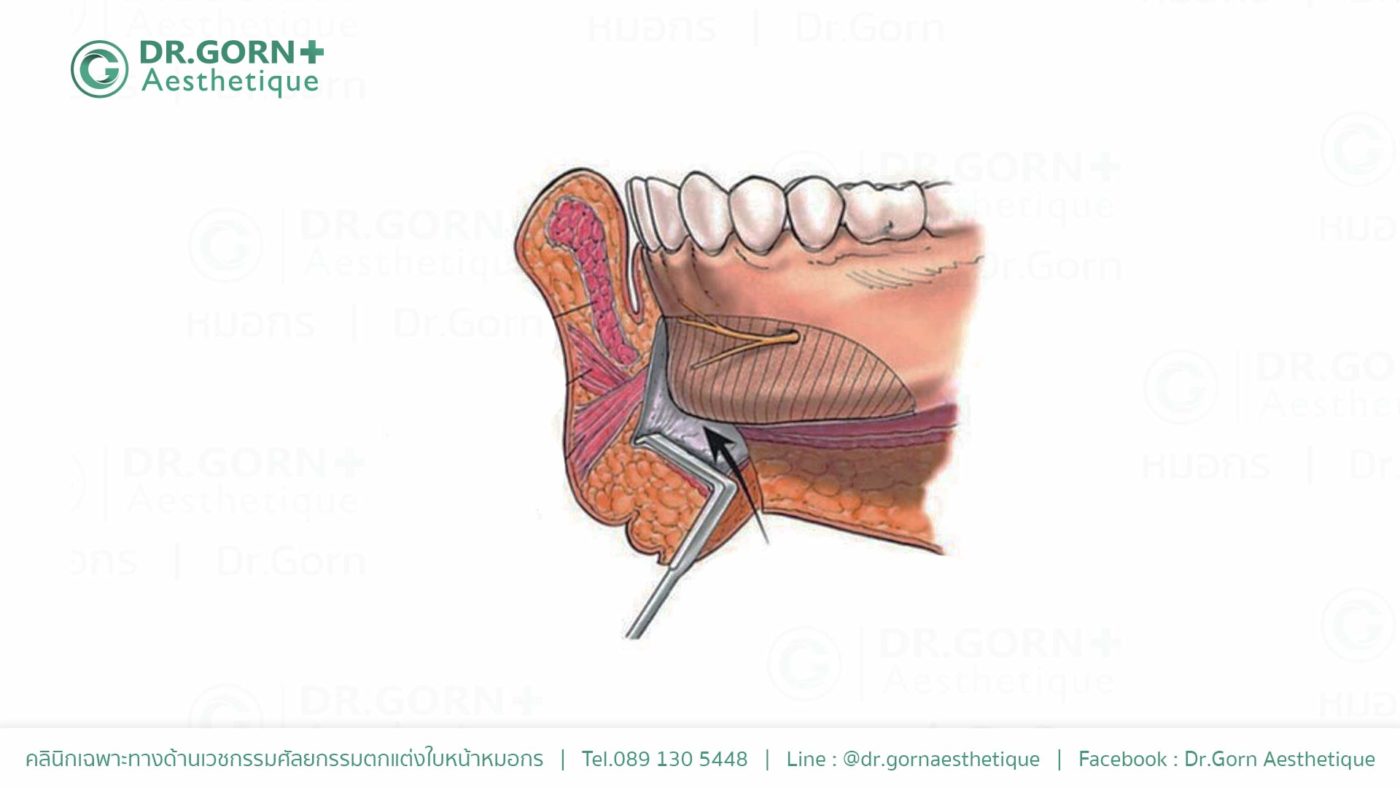
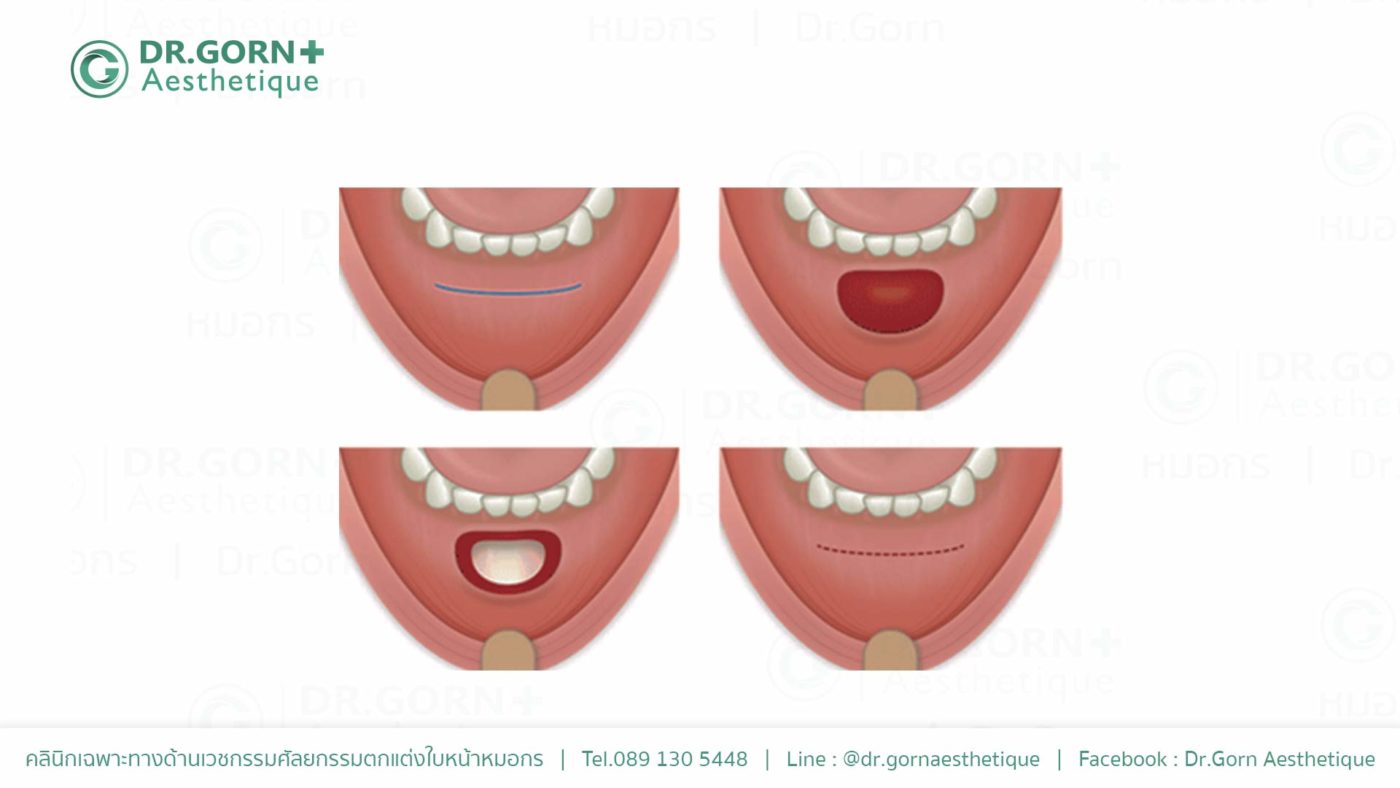
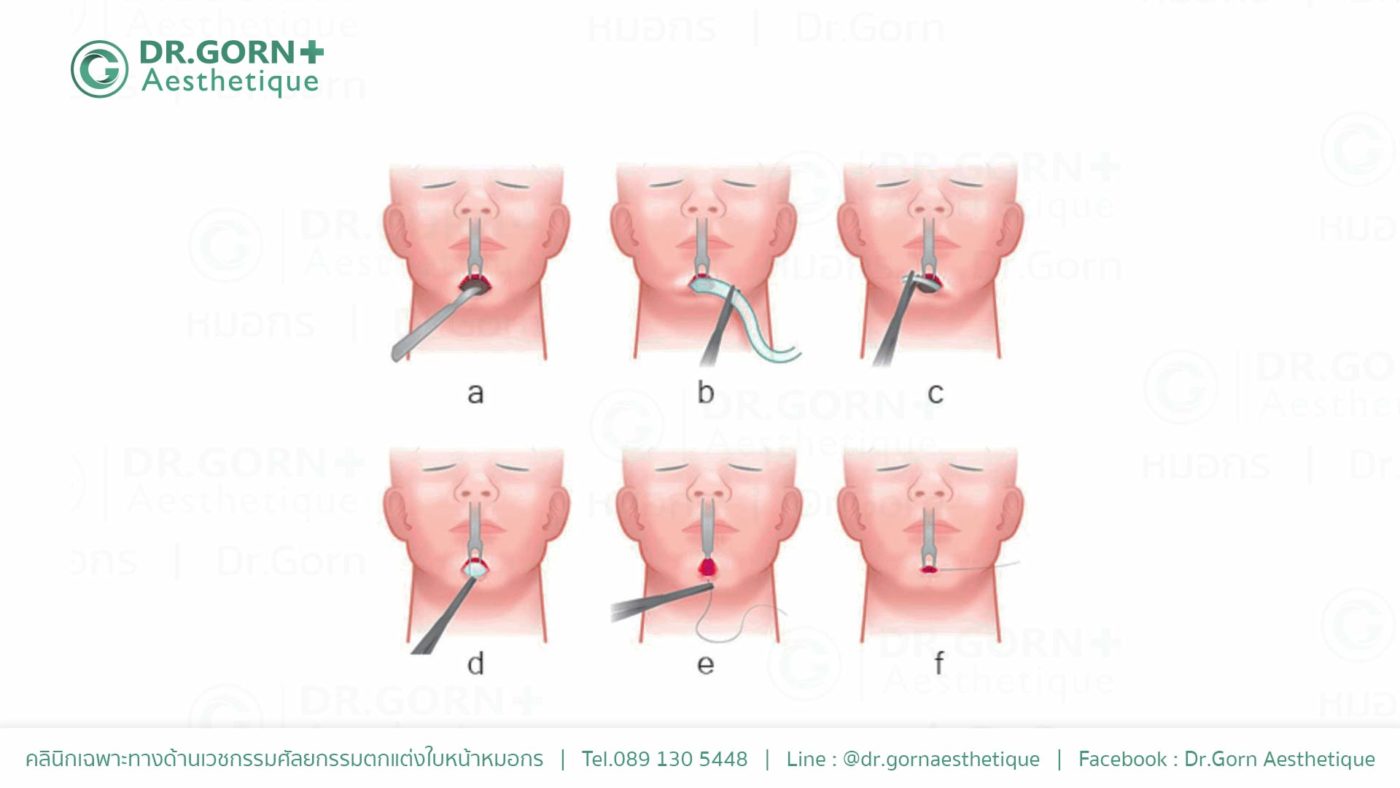
Other options include Medpor, PCL, and PEEK implants, including implants made using three-dimensional design and manufacturing techniques. Their use is more limited because of their relatively high cost. Silicone chin implants can be inserted through either an external incision beneath the chin or an incision inside the mouth. Each approach has different considerations. (Read more: Chin Augmentation—External vs. Intraoral Incision.)
2.2. Chin Reshaping Using the Patient's Own Tissue or Bone
These procedures can be divided into two approaches, depending on the treatment goals and the patient's chin anatomy.
2.2.1. Augmentation Using Autologous Tissue Grafts
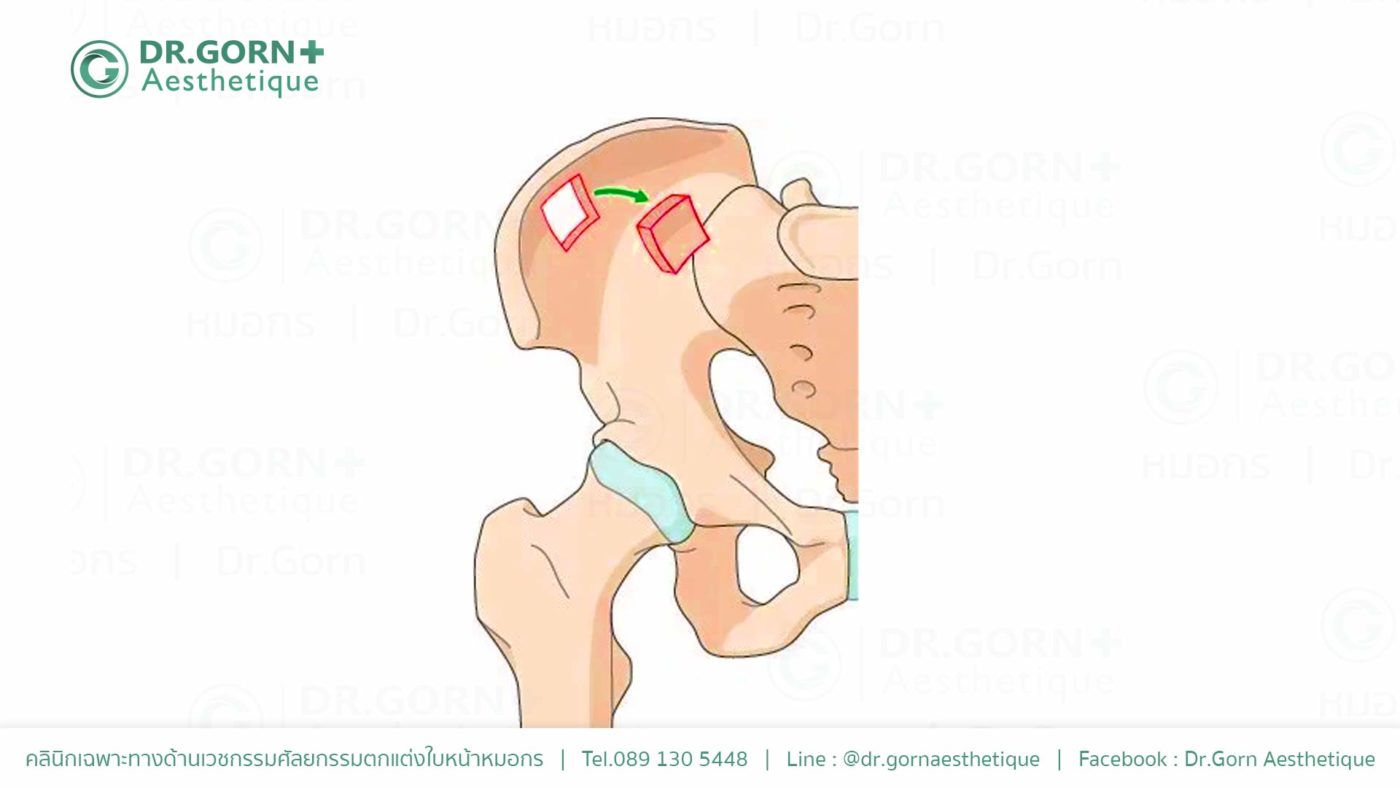
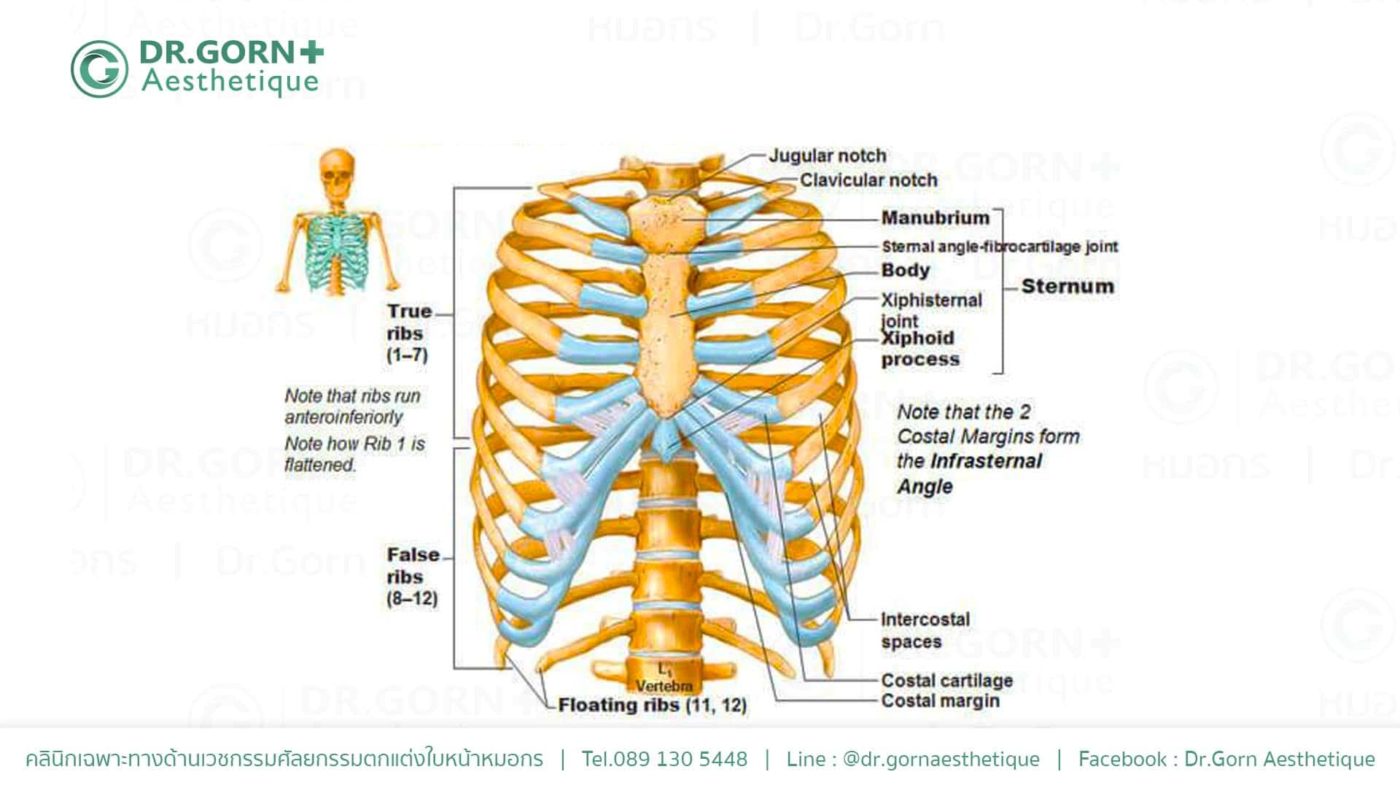
Chin augmentation using the patient's own tissue may involve an iliac crest bone graft from the pelvis or rib cartilage. This approach may suit patients whose chin is not excessively short or recessed, is not large or protruding, and who prefer to avoid manufactured implants.
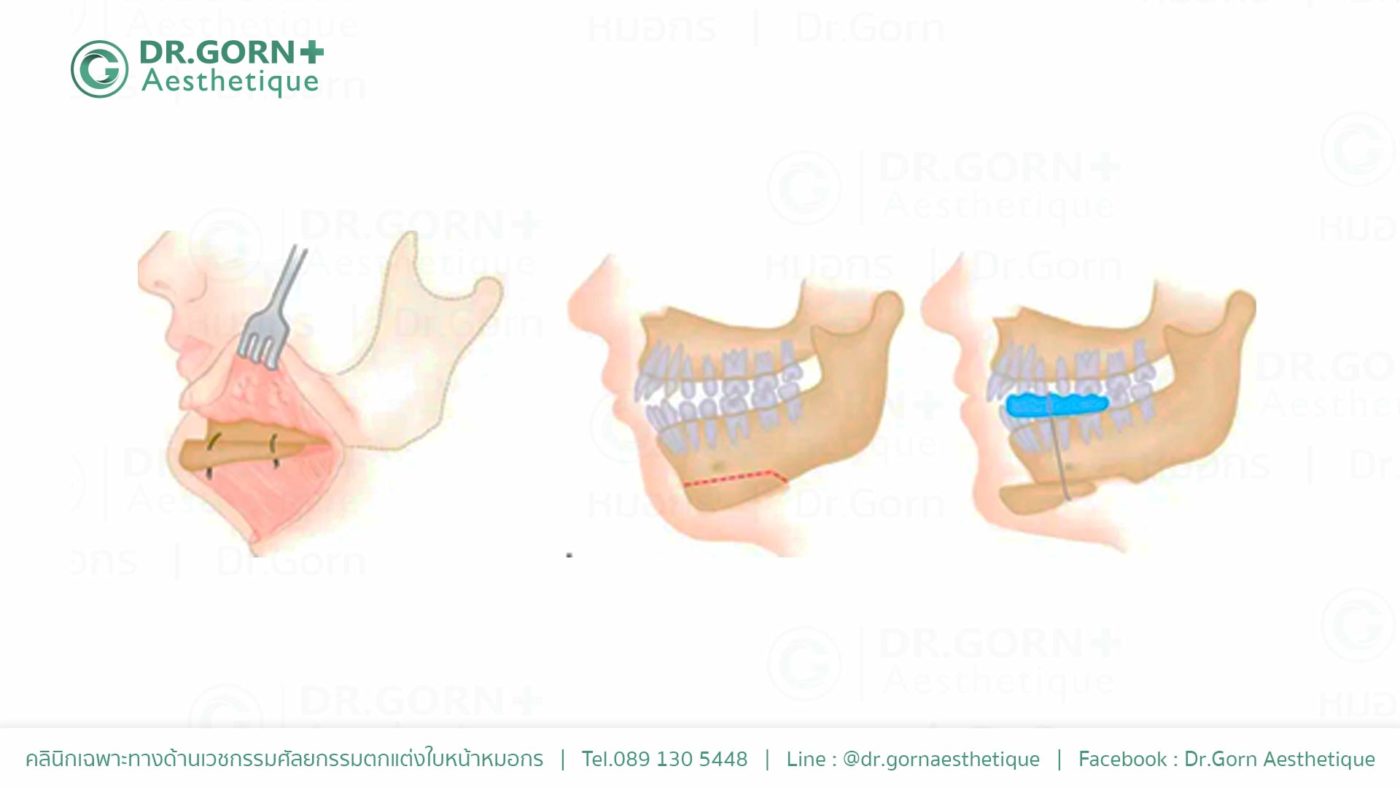
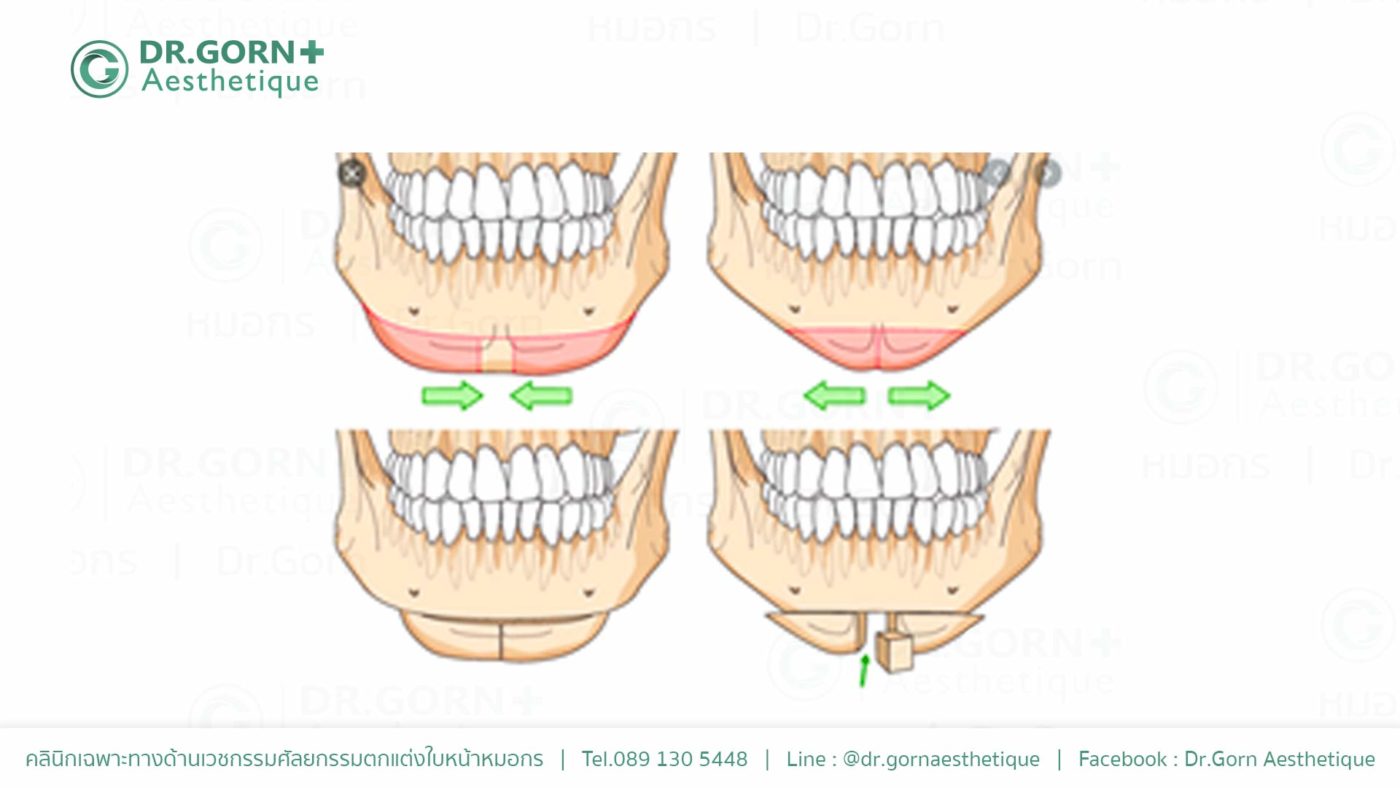
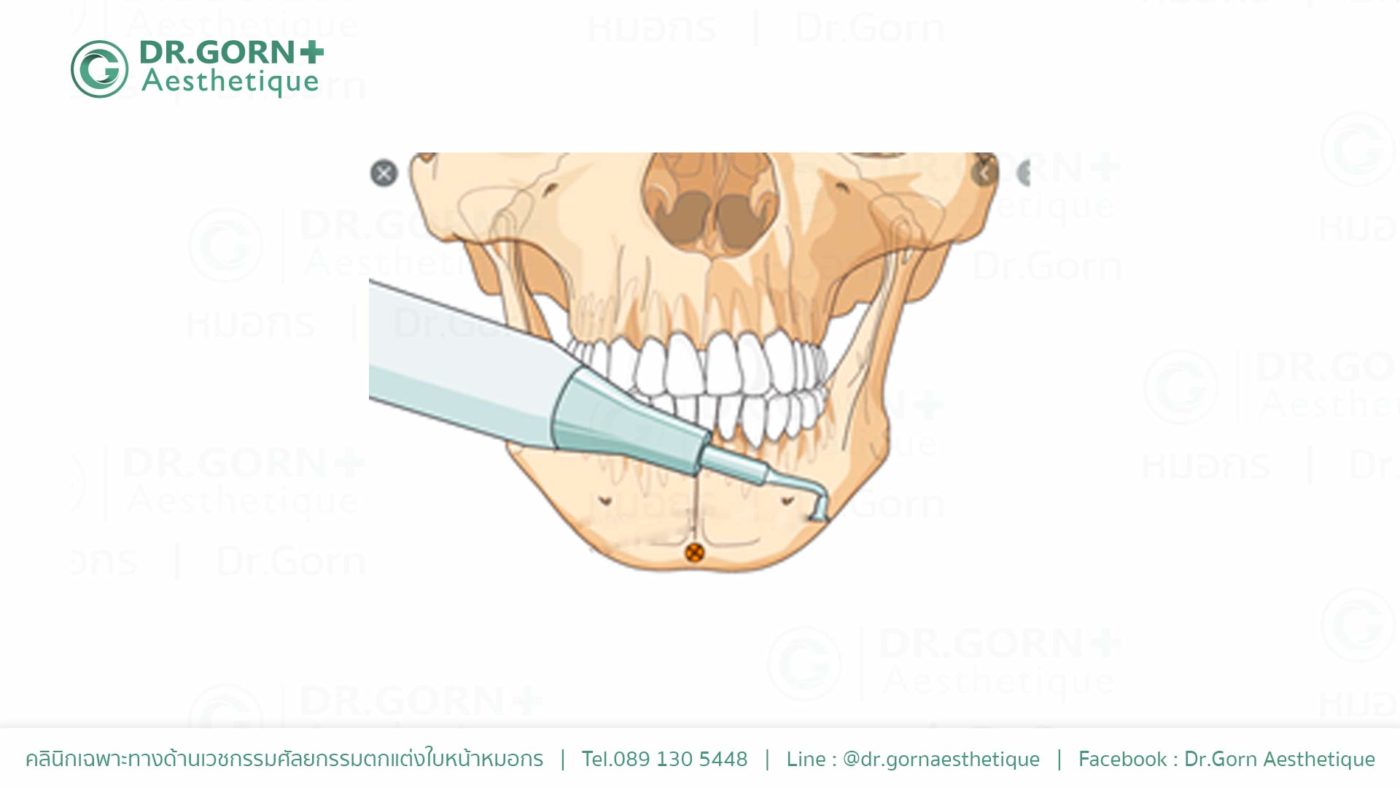
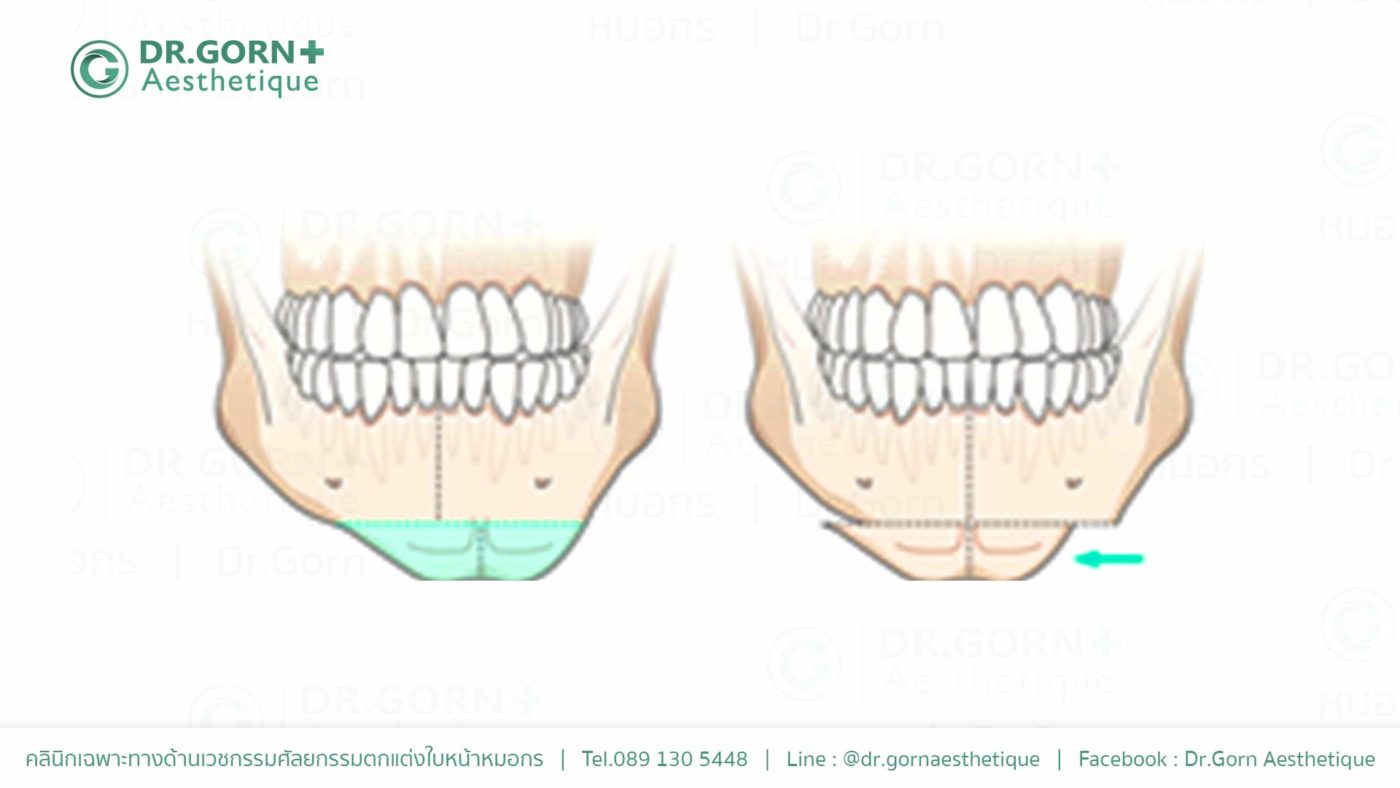
2.2.2. Repositioning and Reshaping the Chin Bone
Sliding genioplasty changes the position and angle of the chin bone. Bone reduction may also be performed when needed. This approach may suit patients with a markedly receding chin, an excessively large chin bone, or a substantial bony deformity that cannot be adequately corrected using other methods. By repositioning the bone, the surgeon can make greater changes to chin projection and angle. It may also be combined with lower jaw contouring to reduce the width of the lower face.