

1. What Is a Nasal Hump?
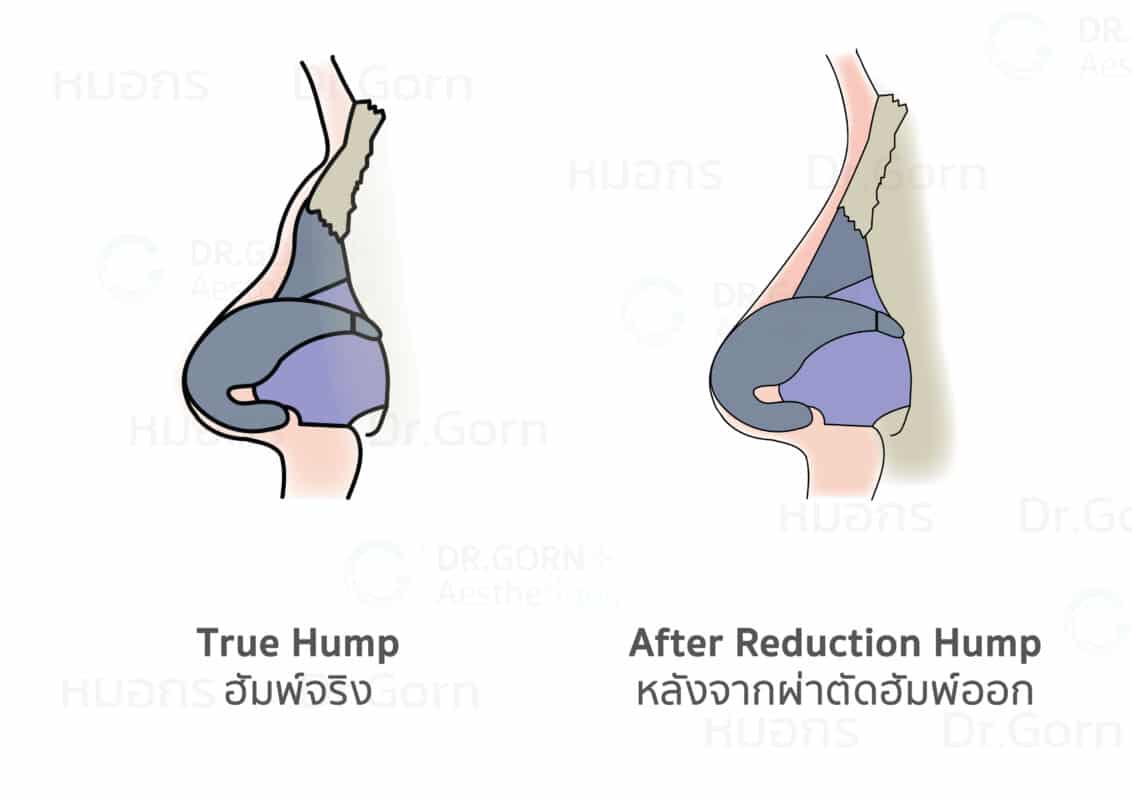
A nasal hump is a raised prominence on the nasal bridge, near the junction between cartilage and bone. It may consist of bone, cartilage, or both.
2. How Is Nasal Hump Rasping Performed?
A medical instrument called a bone rasp is used to smooth the raised portion of the nasal bridge. This approach is generally used for a relatively small hump consisting mainly of bone. However, excessive rasping may damage the periosteum, the tissue covering the bone, and compromise the tissue pocket that helps stabilize a silicone implant on the nasal bridge. This may make the implant more prone to movement or displacement.

3. Before Considering Rasping, Make Sure It Is a True Nasal Hump
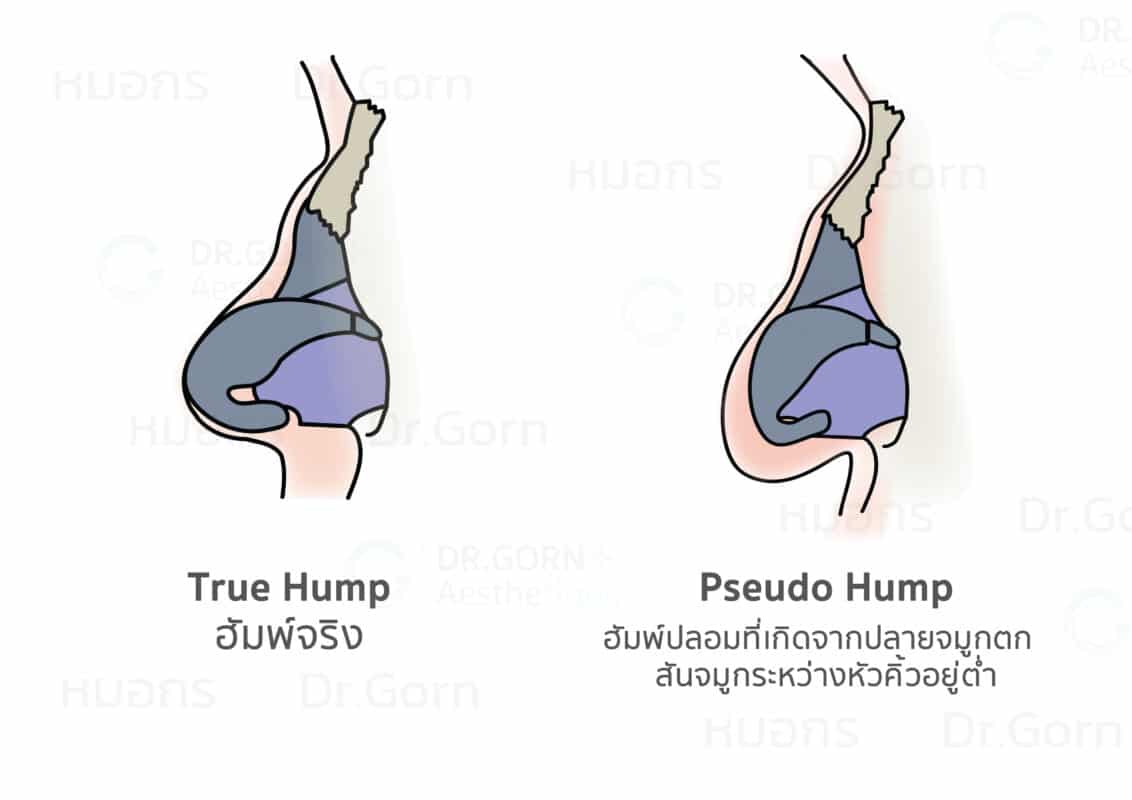
If you think you have a nasal hump, consult a specialist to determine whether it is a true hump or a pseudo hump. A pseudo hump can result from a very low nasal bridge between the eyes or a drooping nasal tip, which makes the bridge appear prominent even when there is no true hump. Removing this apparent prominence unnecessarily may distort and weaken the nasal framework, potentially causing the bridge to collapse into a saddle nose deformity. Nasal hump correction therefore requires careful assessment. Consult a specialist before deciding to have it removed to help reduce the risk of complications.
In cases where a pseudo hump is caused by a drooping nasal tip, surgery to elevate and support the tip framework may correct the appearance without removing a hump or inserting a silicone nasal implant.
4. Can Hump Rasping Correct a Crooked or Wide Bony Nasal Base?
It offers only limited improvement. A crooked or wide bony nasal base usually involves deviation or excessive width of the nasal bones or the central bony framework. Hump rasping only smooths the raised bone along the nasal bridge. It does not reposition the bony nasal base to make it straighter or narrower.
To straighten or narrow the bony nasal base, an osteotomy may be used instead. This procedure involves controlled cuts in the bone to allow repositioning and requires additional surgical expertise. It is often performed as part of open rhinoplasty.


5. Is Hump Rasping Necessary Before Silicone Augmentation to Prevent Implant Movement or Deviation?
It is not always necessary. A surgeon can shape the underside of a silicone implant to fit a relatively small hump. However, if the hump is very prominent or the bony nasal base is already crooked, silicone augmentation alone may not create a straight, smooth nasal profile. Structural correction, including osteotomy when appropriate and reduction of a prominent hump, may be needed before augmenting the bridge with silicone. Rasping alone may not adequately address these concerns.
Excessive hump reduction can also damage and weaken the nasal framework, distort its shape, and cause the bridge to collapse into a saddle nose deformity, as described above.
6. What Are the Risks of Excessive Nasal Hump Rasping?
6.1. Collapse and Distortion of the Nasal Bridge (Saddle Nose Deformity)



