
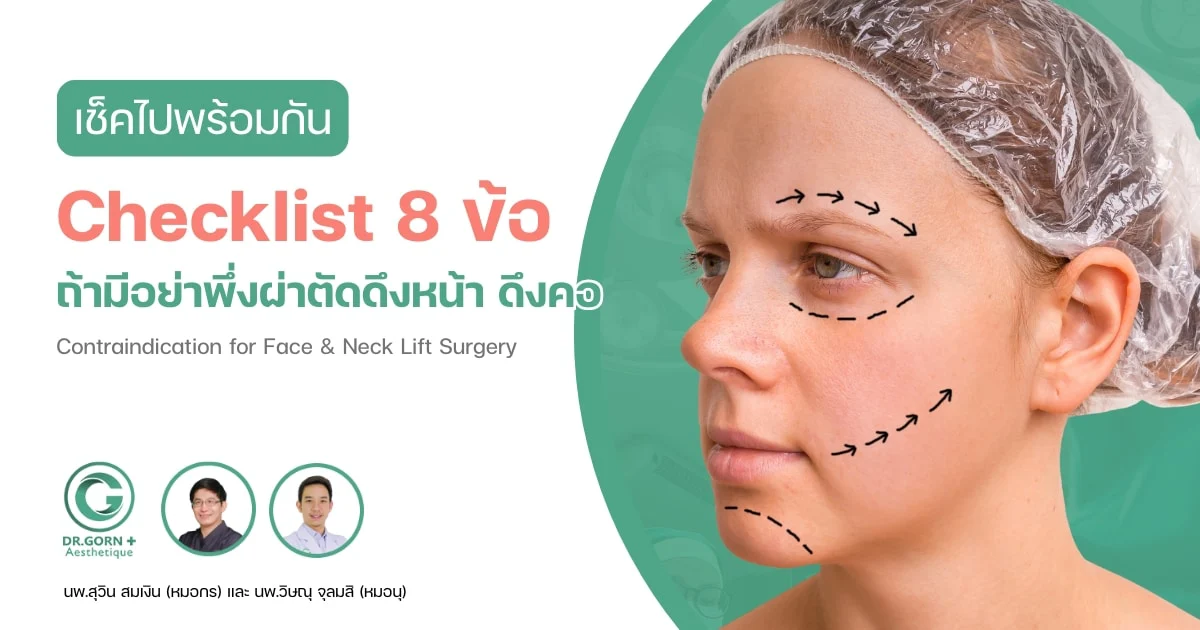
Face lift and neck lift surgery have become increasingly popular among people seeking facial rejuvenation. However, facelift and neck lift procedures are significant surgical interventions that require careful medical assessment and preparation. Before deciding to undergo surgery, patients should review their overall health and any factors that could increase the risk of complications. This article highlights eight important considerations and potential contraindications for face and neck lift surgery. If any of these factors apply to you, it is advisable to consult your surgeon and relevant medical specialists before proceeding. Some conditions may require treatment, stabilization, or postponement of elective surgery rather than representing permanent contraindications.
1. Uncontrolled Medical Conditions
1. High Blood Pressure (Hypertension)
Uncontrolled hypertension may increase the risk of complications during and after surgery, including bleeding and cardiovascular events. The original article recommends controlling blood pressure to below 160/95 mmHg before a facelift or neck lift. It also discusses considering surgery in selected patients with a diastolic blood pressure not exceeding 110 mmHg, provided that an anesthesiologist closely monitors the patient during surgery and recovery. If diastolic pressure exceeds 110 mmHg, the article recommends postponing surgery. These figures are not universal surgical clearance thresholds; the decision should be based on repeat measurements, the patient's overall cardiovascular risk, and the anesthesiologist's assessment.

2. Diabetes Mellitus may affect surgical safety and postoperative recovery in several ways:
- Delayed surgical wound healing.
- Increased susceptibility to surgical site infections.
- Risk of serious metabolic complications, such as diabetic ketoacidosis (DKA).
- Significant changes in blood glucose and electrolyte levels, which may affect cardiovascular function and perioperative stability.
The original article recommends a fasting blood glucose level below 180 mg/dL and an HbA1c level below 8% before elective face or neck lift surgery. These are suggested preoperative targets rather than guarantees of safety or universally applicable requirements. Appropriate glucose management should be individualized according to the patient's health condition, diabetes treatment, and the recommendations of the surgical and anesthesia teams.

3. Other Medical Conditions: Patients with endocrine disorders, cardiovascular disease, kidney disease, neurological conditions, musculoskeletal disorders, or autoimmune diseases may require additional assessment. The surgical team should determine whether these conditions are sufficiently controlled and whether medication adjustments or specialist consultations are necessary before elective surgery.
2. Patients Undergoing Chemotherapy or Radiotherapy
3. Smoking and Nicotine Use
Smoking, particularly exposure to nicotine and other tobacco-related substances, can interfere with blood circulation and wound healing. Smoking also increases the risk of respiratory complications associated with general anesthesia and postoperative recovery. The original article recommends stopping smoking for approximately two months before and two months after surgery when general anesthesia is planned. For selected procedures under local anesthesia, the article discusses a shorter preoperative cessation period of approximately two weeks, while maintaining a two-month postoperative cessation period. These intervals reflect the original clinic's recommendations and should not be treated as universal rules. Patients should discuss an appropriate smoking and nicotine cessation plan with their surgeon and anesthesiologist, and should disclose all nicotine products they use.

4. Connective Tissue Disorders Associated with Excessive Skin Elasticity
Some connective tissue disorders, such as Ehlers-Danlos Syndrome (EDS), can cause unusually extensible skin, tissue fragility, and abnormal wound healing. These characteristics may affect the suitability and outcomes of aesthetic treatments, including thread lifting, energy-based skin tightening, facelift surgery, and neck lift surgery. However, EDS does not automatically mean that every procedure will be ineffective or permanently contraindicated. Patients with a suspected or confirmed connective tissue disorder should undergo individualized evaluation by appropriately qualified specialists before considering facial or neck rejuvenation procedures.
5. Pregnancy and Breastfeeding (Lactation)
6. Obesity or Significant Weight Fluctuations
The original article recommends maintaining a stable body weight for at least 3–4 months before surgery and suggests a Body Mass Index (BMI) below 30 kg/m² to help reduce risks associated with anesthesia and surgical recovery. However, BMI alone does not determine whether a patient is suitable for surgery, and a BMI of 30 or above is not necessarily an absolute contraindication. The surgical and anesthesia teams should consider overall health, weight stability, and associated medical conditions. Obesity may be associated with several factors that increase surgical risk, including:
- Obstructive Sleep Apnea (OSA).
- Cardiovascular conditions and circulatory problems.
- Endocrine and metabolic disorders, including metabolic syndrome.
- Gastrointestinal and liver conditions.
- Delayed wound healing and increased risk of certain postoperative complications.

7. Psychological Readiness and Mental Health Considerations
Psychological readiness is an important part of preparing for elective cosmetic surgery. Some patients may have unrealistic expectations about surgical results, may not be certain which concern they want to address, or may not have clearly defined their goals. These factors can affect postoperative satisfaction. Significant psychological distress or unmanaged mental health concerns may also affect recovery, sleep, adherence to postoperative instructions, and overall well-being. Stress may influence wound healing in some circumstances. A mental health diagnosis does not automatically exclude someone from cosmetic surgery; the focus should be on informed decision-making, realistic expectations, adequate support, and the patient's current readiness.
8. Recent Laser, Ultrasound, Radiofrequency, or Other Energy-Based Treatments
Patients who have recently undergone aesthetic treatments using lasers, ultrasound, radiofrequency, or other energy-based devices should inform their surgeon before planning face or neck lift surgery. The original article describes the Dr.Gorn team's practice of allowing approximately one year after certain high-energy procedures before considering surgery, and approximately three months after selected lower-energy treatments, such as some HIFU or laser procedures. These waiting periods reflect the clinic's approach rather than universally established requirements. Appropriate timing depends on the device used, treatment depth, tissue response, and surgical assessment.

Today, patients may have undergone various facial aesthetic treatments, including botulinum toxin injections, injectable skin boosters, dermal fillers, liquid injectable materials, autologous fat grafting, thread lifts, and collagen biostimulators. Before considering face or neck lift surgery, patients should provide their surgical team with a complete history of previous aesthetic procedures, including the types of treatments, products used, treatment areas, and approximate dates. This information can help the surgeon assess tissue changes, identify potential risks, plan any necessary preparations, and select an appropriate surgical technique for each patient.



