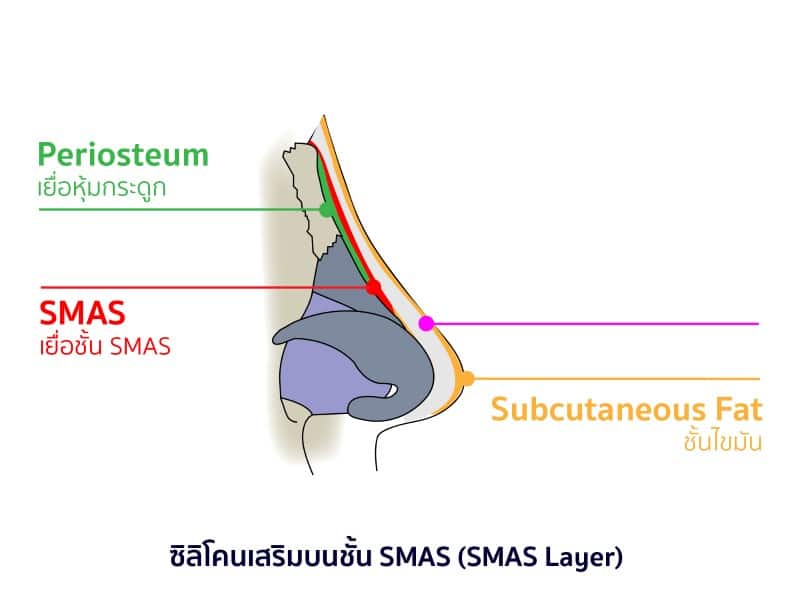
A floating silicone implant is a condition in which a nasal silicone implant moves easily. Moving the implant near the nasal tip may also cause movement along the bridge, with the degree varying between cases. In some patients, the implant may appear visibly raised, affecting the nasal contour and confidence. Silicone is a foreign material that does not allow nasal tissue to grow into its surface. This differs from materials such as Gore-Tex, dermal grafts, dermofat, or rib cartilage, which can allow tissue ingrowth or integration and may provide greater stability after rhinoplasty.
Causes of a Floating Silicone Implant
1. Implant Pocket Placement
The implant pocket may have been created too superficially rather than beneath the periosteum, the tissue covering the bone. For example, the implant may lie within the nasal SMAS layer or the subcutaneous fat layer.
2. A Loose Nasal Skin and Soft Tissue Envelope
Some patients have relatively loose skin and soft tissue over the nasal bridge. A thin silicone implant may therefore move easily, even when placed beneath the periosteum.
3. A High Nasal Hump and Deep Radix
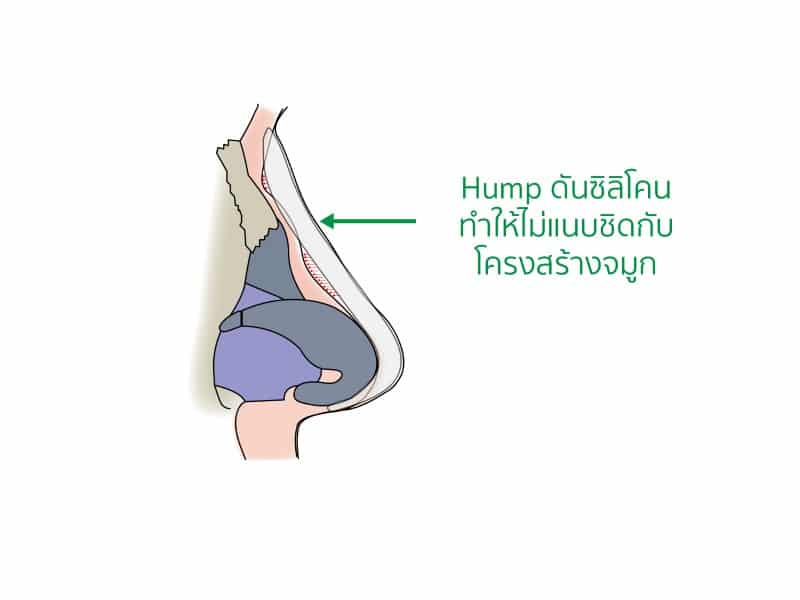
A prominent hump in the middle of the bridge combined with a deep nasal root, or radix, can affect implant stability. If the underside of the silicone implant is not properly carved to accommodate the hump, the hump may push against its middle section, causing the upper portion near the radix to lift and move.
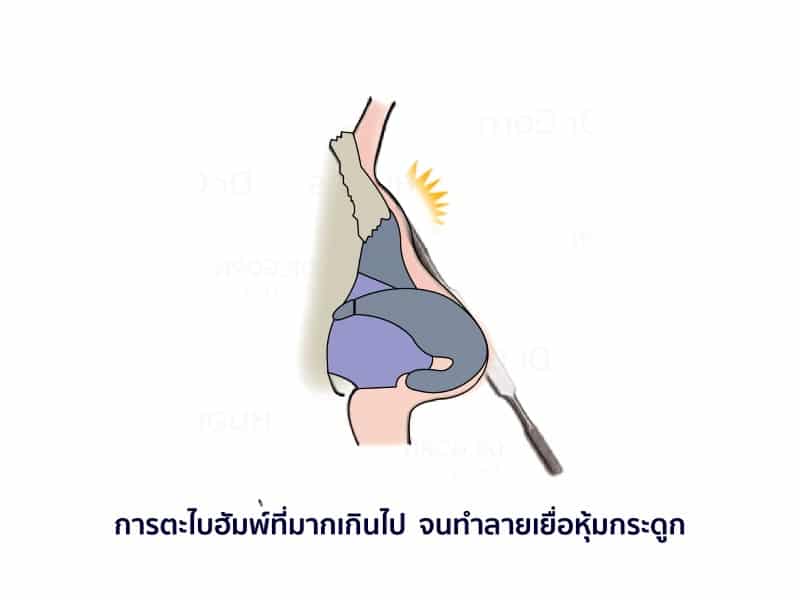
4. Aggressive Nasal Hump Rasping
Aggressive hump rasping can damage a large area of the periosteum. This may be encountered in patients who have undergone multiple revision rhinoplasty procedures. Damage to this supporting tissue can make it more difficult to stabilize the implant, increasing the likelihood of movement.
5. Infection in the Nasal Tissue
An infection can cause pus to accumulate around the implant, making it loose or mobile. This is often accompanied by swelling, redness, warmth, and nasal pain.

Is a Floating Silicone Implant Dangerous?
If implant movement is the only issue and there is no tight or thinning skin over the bridge, thin or translucent nasal tip skin, or significant implant deviation, revision may not be necessary after medical assessment. However, when movement is pronounced and affects the nasal shape, correction may be appropriate to improve confidence and reduce the likelihood of further problems.
Correcting a Floating Silicone Implant
Treatment depends on the underlying cause and differs between patients. In cases where implant movement has persisted despite several silicone-based revision procedures, the surgeon may consider a different technique using another material or the patient's own tissue to improve integration and stability. The approaches for each cause are outlined below.
1. Incorrect Implant Placement Outside the Subperiosteal Plane
Correction may involve creating a new pocket beneath the periosteum, known as the subperiosteal plane, and placing the silicone implant in this pocket to improve stability. This approach is more suitable for patients who have undergone only one or two previous procedures and whose periosteum remains intact.
2. A Loose Nasal Skin and Soft Tissue Envelope
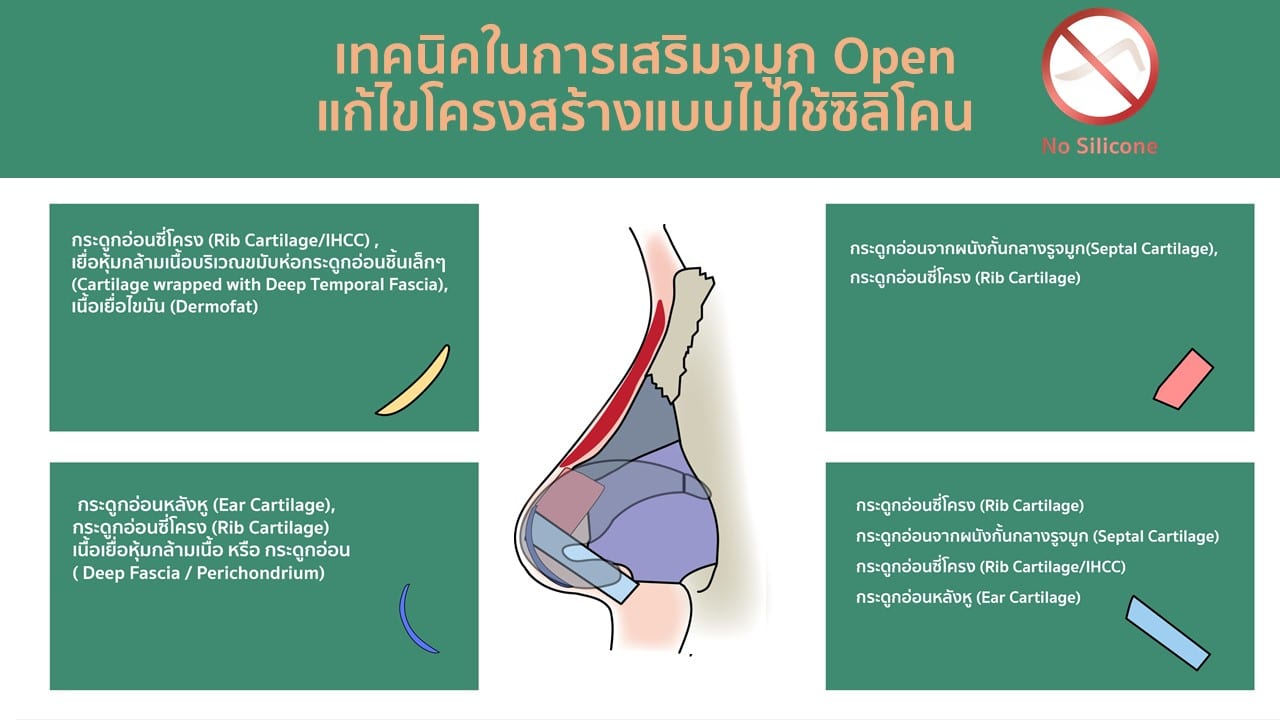
For this cause, the surgeon may recommend avoiding silicone and selecting a material that can integrate with the nasal tissue. Options include the patient's own tissue, such as fat-containing tissue or rib cartilage, as well as certain synthetic implants, such as Gore-Tex.
3. A High Nasal Hump and Deep Radix
There are two main approaches to addressing this cause:
1. If the hump is not excessively high and the soft tissue over the bridge is sufficiently thick and flexible, the implant may be carefully carved with a recess to accommodate the hump. Its upper portion near the radix may also be made thicker to balance the hump's height. This requires considerable experience in implant carving.
2. If the hump is very prominent and the radix is markedly low in comparison, treatment may involve partial hump removal (humpectomy), radix augmentation, and increased tip projection to create balanced proportions. These cases are often addressed through structural nasal reconstruction using the patient's own tissue, or silicone-free rhinoplasty ›
4. Extensive Periosteal Damage from Aggressive Hump Rasping
This may sometimes be accompanied by a depressed nasal bridge, known as a saddle nose deformity. Correction generally relies on the patient's own tissue to help achieve integration with the nasal tissues. Nasal osteotomies may also be needed to bring the nasal bones closer together, reinforce the bridge, and correct the associated deformity.
5. An Infected Silicone Implant with Pus Accumulation
This condition requires prompt treatment, which may include implant removal, cleansing and irrigation of the affected area, and antibiotics targeting the causative bacteria. Once the infection has been treated and the tissues have recovered, silicone-free rhinoplasty may be considered.