A mouth corner lift is a popular cosmetic procedure, particularly among women. It can help create a more appealing smile and soften a downturned, sad-looking expression.
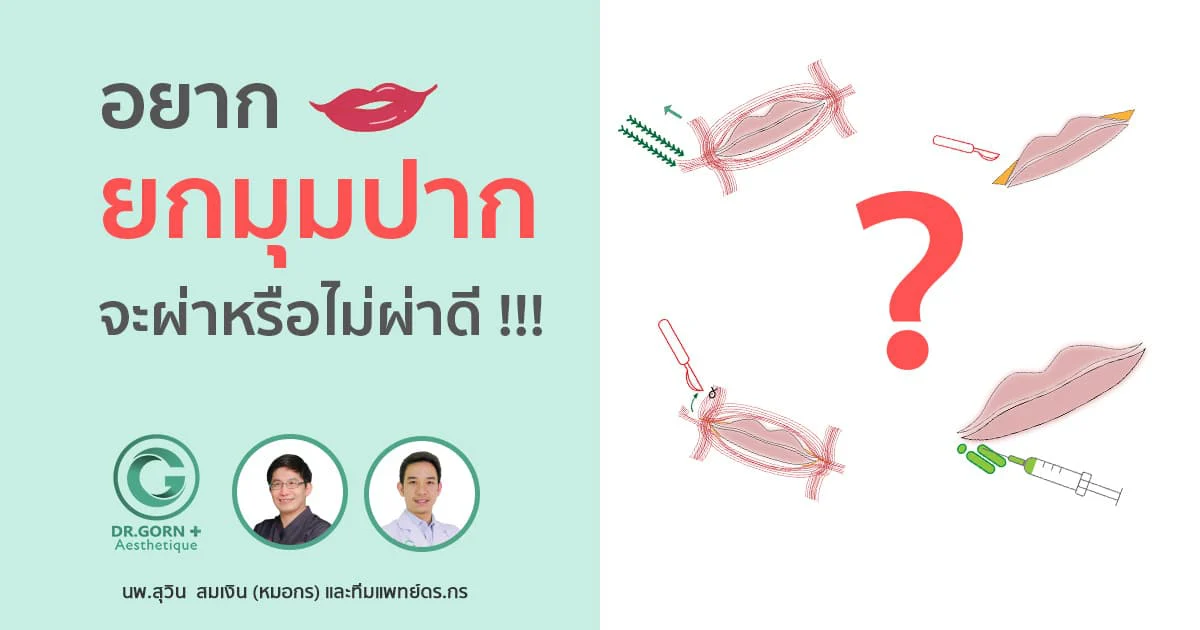
Today, we will explain the different approaches to lifting the corners of the mouth so that you can understand how they differ. Mouth corner lifting can be divided into two main methods.
1. Non-Surgical Mouth Corner Lifting
This approach uses injectable fillers or threads to lift the corners of the mouth. It is generally suitable for mildly downturned mouth corners or those seeking a subtle enhancement, as the degree of lifting is limited. Appropriate patient selection is important for achieving a good result. These methods do not require surgical incisions and generally involve minimal downtime, making them an option for people who prefer to avoid surgery or have limited recovery time.
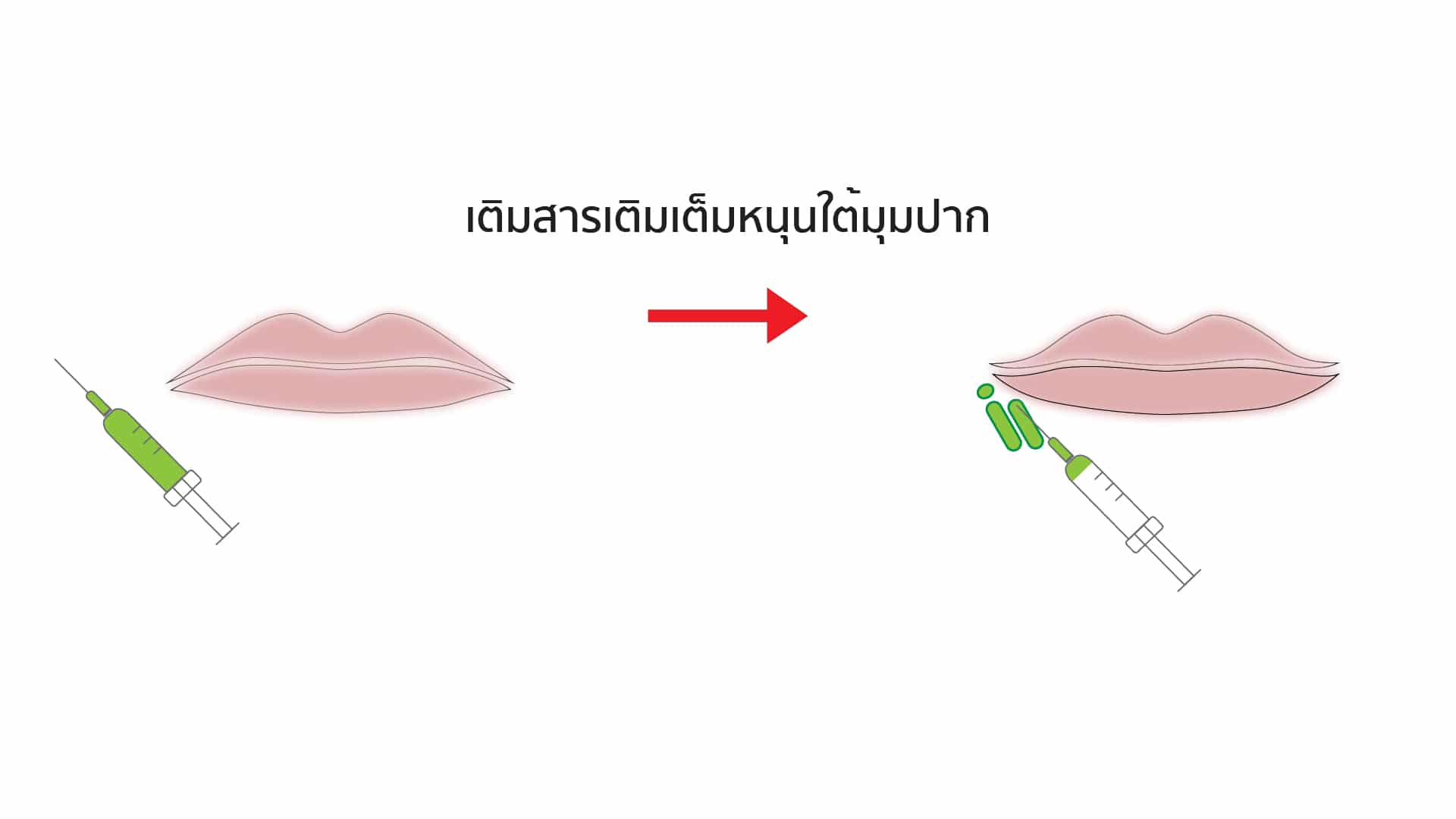
1.1. Mouth Corner Lifting with Filler Injections
Hyaluronic acid fillers, sometimes referred to as hyaluron, are medically manufactured injectable materials used to enhance and support the mouth corners. This approach may suit people seeking a convenient treatment with minimal downtime who are comfortable using a manufactured filler.
A common question is how long the results will last. This depends on the properties of the filler and the manufacturing technology used by each brand. The finer formulations described here may produce a smoother appearance but have a shorter duration, approximately 4–6 months. Firmer formulations may last longer, although they can also be more noticeable or appear lumpy. The appropriate product should be selected for the treatment area.
For people who prefer to use their own tissue rather than an externally manufactured material, autologous fat grafting may also be considered as an alternative to fillers.

1.2. Mouth Corner Lifting with Threads
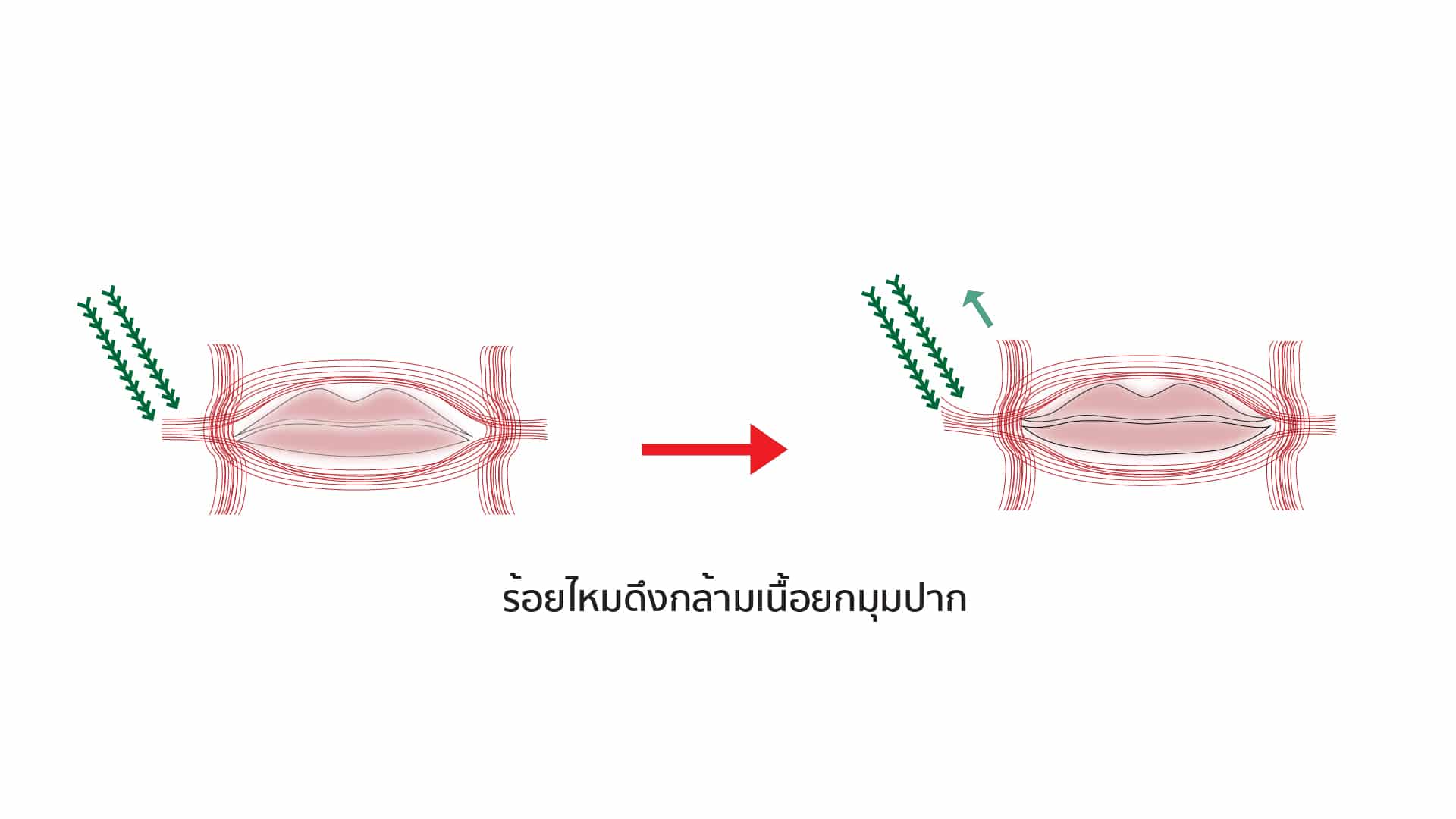
Thread lifting involves placing threads in the fatty tissue adjacent to the superficial musculoaponeurotic system (SMAS). The barbed threads engage the tissue near the mouth corners and are then drawn upward to create a lifting effect.
This procedure is relatively straightforward and generally involves minimal downtime. However, results can vary, and asymmetry between the two sides may occur. Factors affecting the lift include sagging cheeks and nasolabial folds, downward displacement of buccal fat, scar tissue from previous liquid silicone injections around the nasolabial folds, the size and design of the threads, the physician's expertise, and aftercare.
The duration of the results varies between patients. The range described here is approximately 1 month to 1 year, depending on the factors above. Results are not determined solely by how long the threads remain in the body, despite what some advertisements may suggest.
2. Surgical Mouth Corner Lifting
Surgical treatment may be suitable for people with more pronounced downturned mouth corners who want a longer-lasting improvement. There are several surgical techniques, which can be grouped as follows.
2.1. Skin Excision Alone
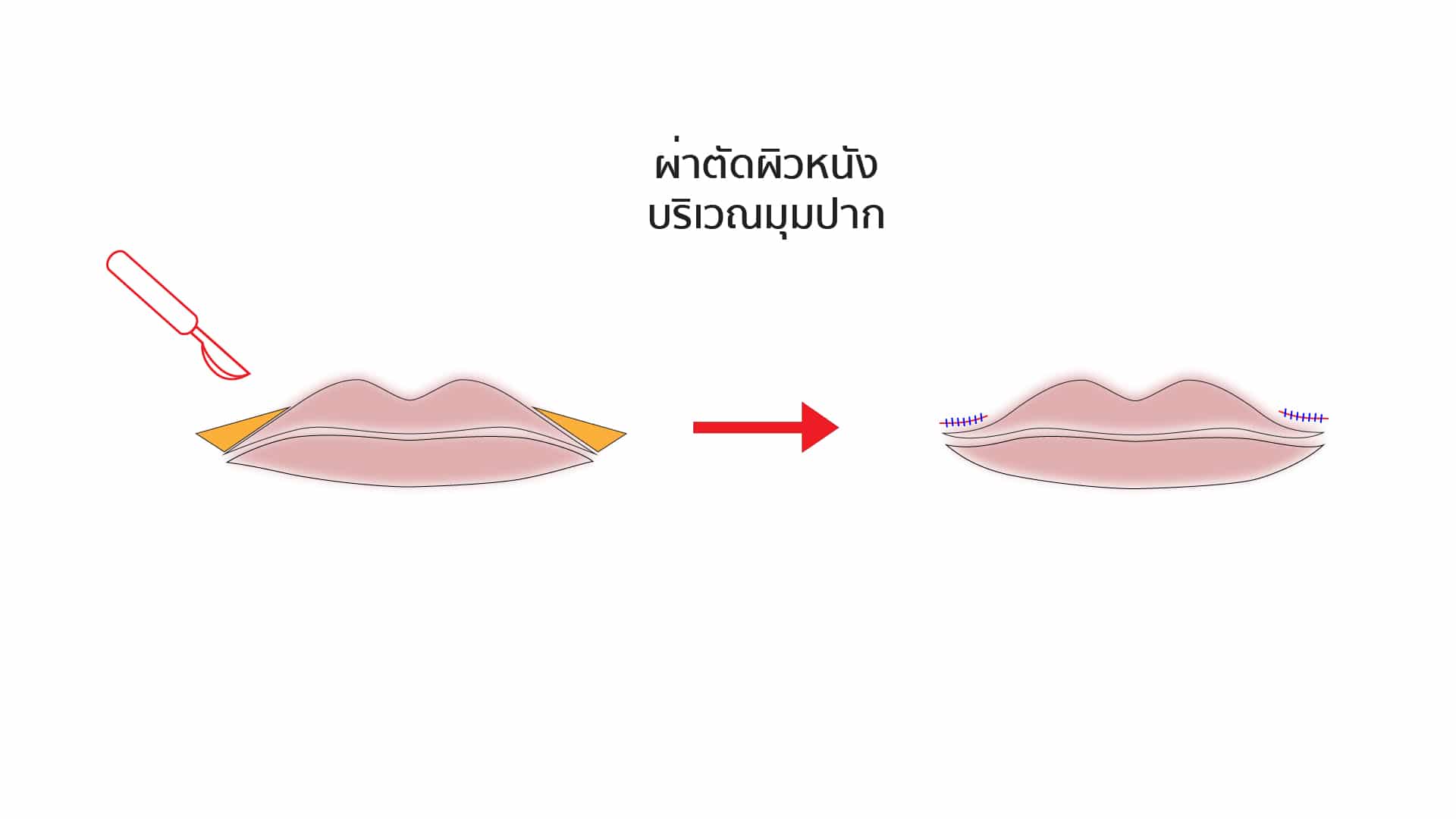
This technique is suitable for patients seeking a modest lift. The surgeon removes a small amount of skin above both corners of the upper lip and closes the incisions with sutures. The procedure is relatively straightforward and less complex, but the degree of lifting is generally more limited than with techniques that address deeper tissues.
2.2. Muscle Repositioning Combined with Skin Excision
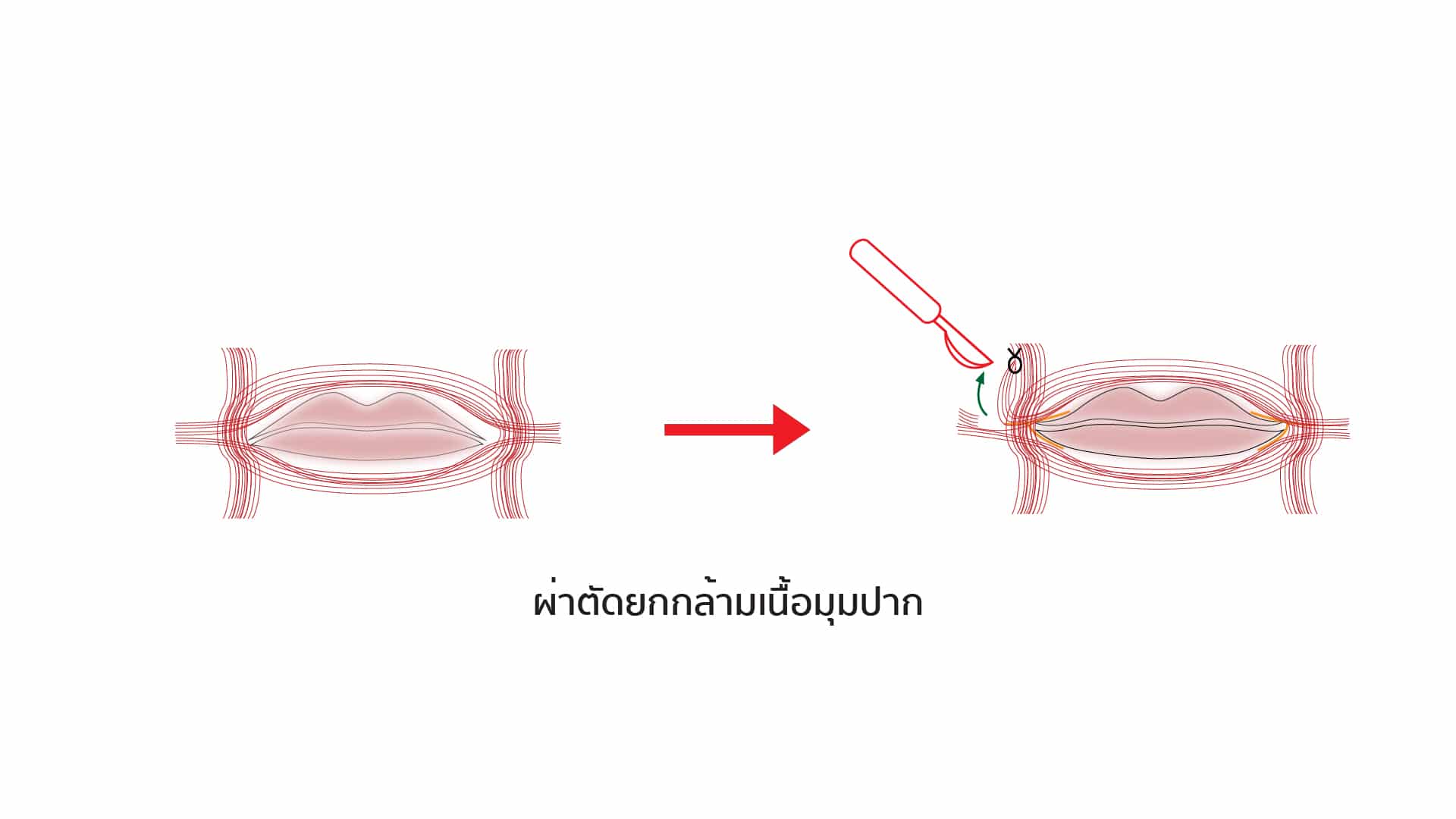
This approach involves deeper surgery than skin excision alone. The surgeon adjusts and repositions the muscles at the mouth corners, changing their attachment position while also reshaping the overlying skin. It is more complex and may provide a greater lift than removing skin alone, but it requires greater surgical expertise.
2.3. Mouth Corner Lifting Through Facelift Surgery
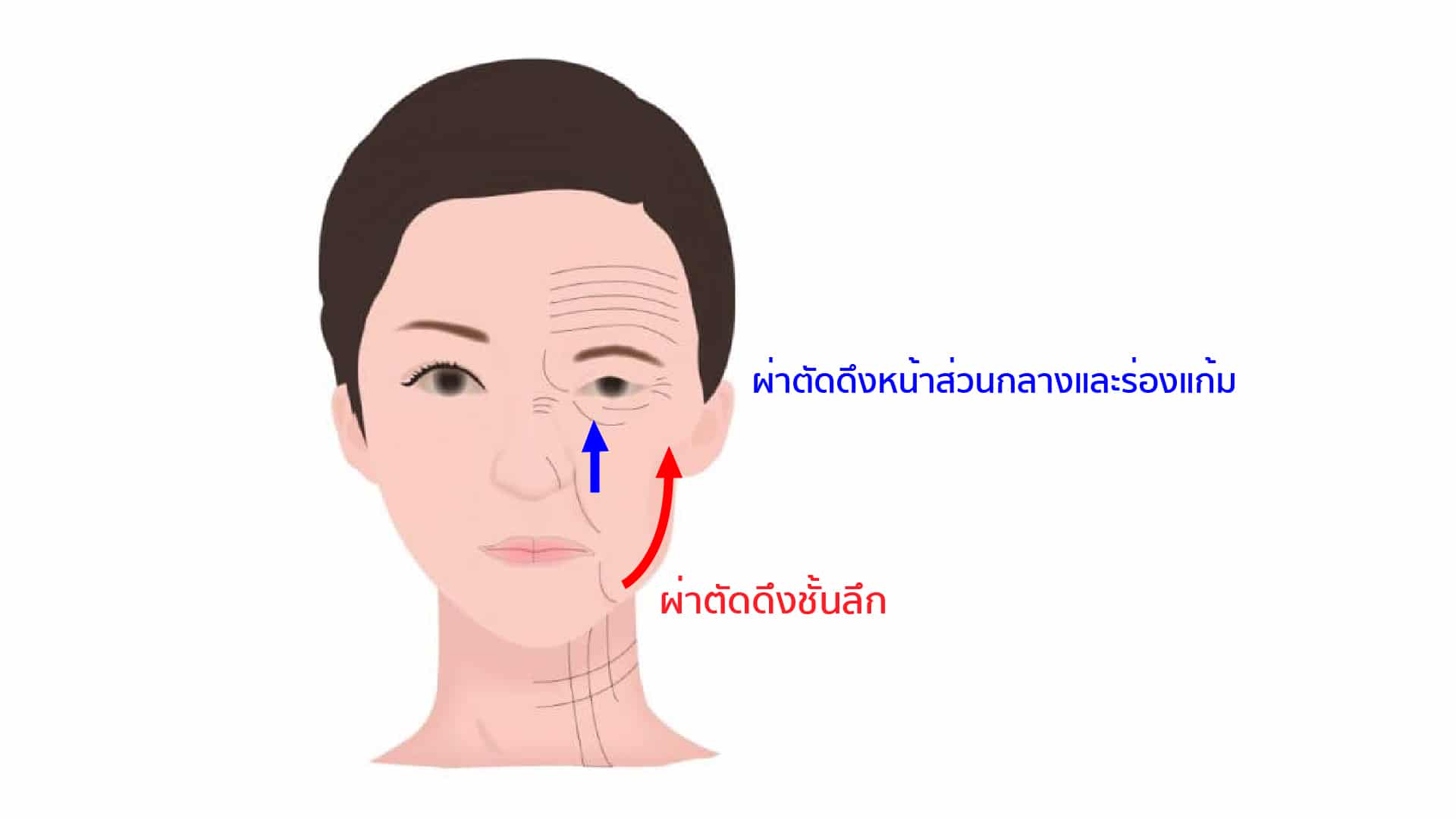
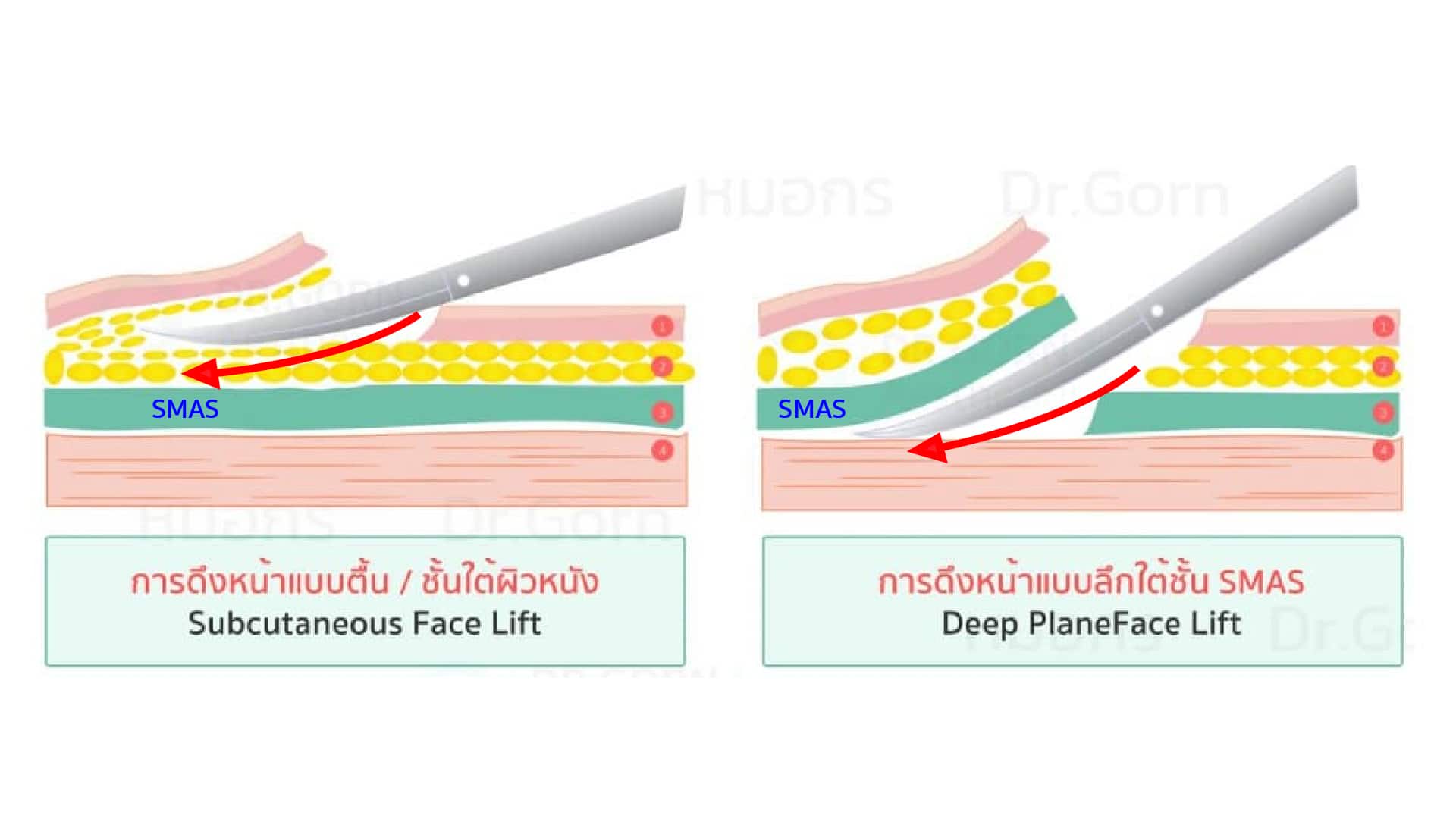
This approach may be suitable for people with significantly downturned mouth corners accompanied by facial sagging. Addressing the deeper facial tissues can provide a more substantial lift in appropriately selected patients. Two approaches described here are used to lift the mouth corners through facial lifting surgery.
The first is a deep plane facelift, which lifts the deeper facial tissues to help elevate the mouth corners. The second is a subperiosteal midface lift, which lifts the middle of the face beneath the periosteum.
For the second approach, the surgeon makes an incision near the lower eyelid, often in conjunction with lower eyelid surgery. The choice of technique depends on each patient's anatomy and needs. These procedures involve releasing and repositioning deeper facial tissues and retaining ligaments before securing them in a higher position. They may provide a greater and longer-lasting lifting effect than the first two methods, but require considerable surgical experience.