
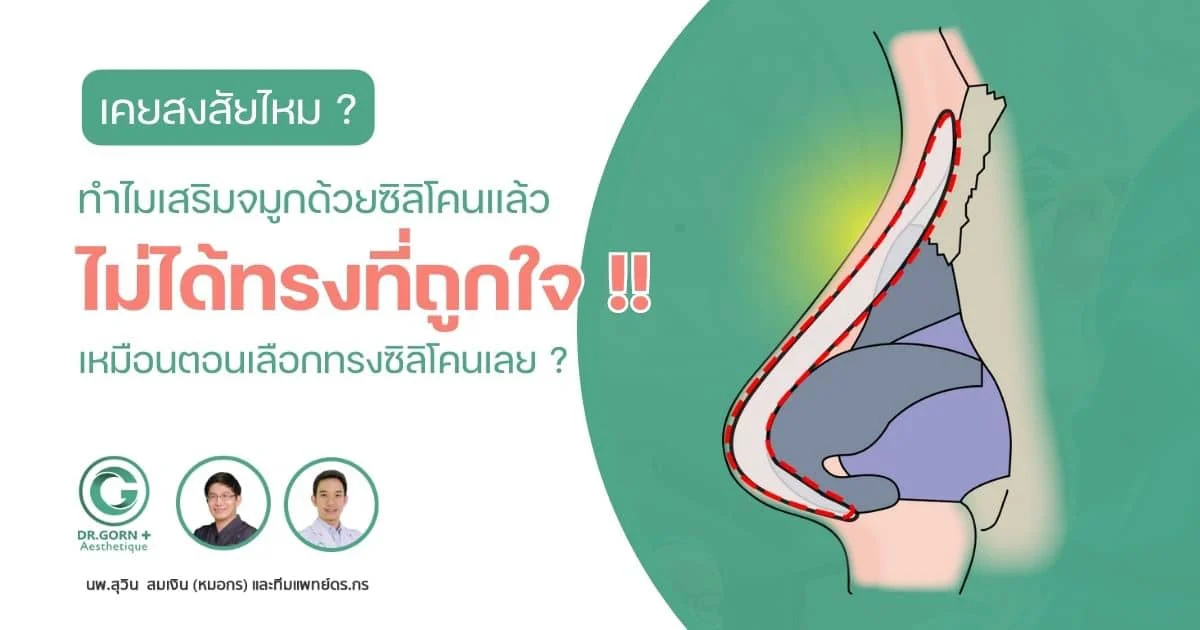
Silicone rhinoplasty has long been one of the most popular nose augmentation techniques in Thailand and other Southeast Asian countries. In comparison, many rhinoplasty approaches in countries such as South Korea and across Europe also emphasize reshaping the underlying nasal structure. Silicone implants are still used in selected cases, particularly to increase the height of the nasal bridge.
Some of the main reasons silicone rhinoplasty remains popular in Thailand include:
- Silicone implant rhinoplasty is generally less complex than extensive structural nasal reconstruction.
- The procedure often takes less time and may be performed under local anesthesia in suitable cases.
- The cost is typically lower than more complex rhinoplasty procedures.
- Postoperative care is often relatively straightforward, with a shorter recovery period for uncomplicated cases.
However, some patients who select a particular silicone implant shape—such as Dolly, teardrop, Mantis, highly projected nasal tip, angled designs, or other styles marketed by clinics—may find that their postoperative nose does not look the way they expected. This is especially relevant for patients with naturally short noses, excessively long noses, crooked nasal structures, drooping nasal tips, bulky noses, or very thin nasal skin. In these cases, the original nasal anatomy may significantly influence the final appearance, regardless of the selected implant design.
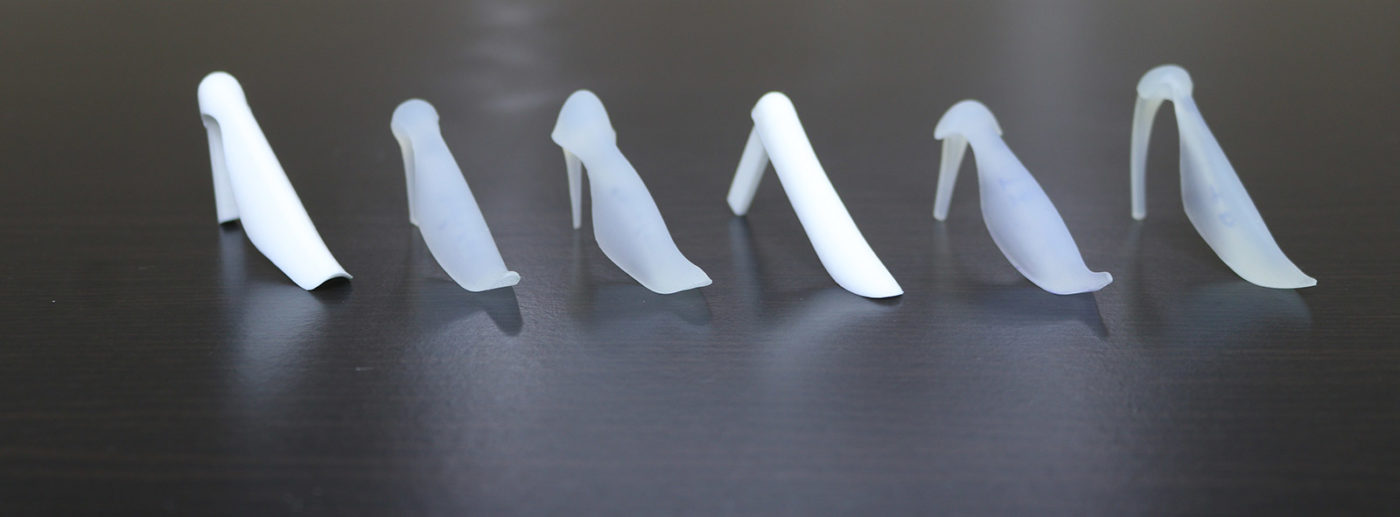
Why Doesn't Silicone Rhinoplasty Always Produce the Nose Shape You Selected?
The main reason is that silicone implant rhinoplasty primarily augments and modifies the external contour of the nose rather than directly correcting every underlying structural abnormality. The implant increases nasal height and projection by supporting and elevating the overlying skin and soft tissues of the nasal bridge and, depending on the technique, the nasal tip.
According to Dr. Gorn, the final nasal shape results from the interaction between the silicone implant and the patient's original nasal anatomy. Factors such as the existing nasal bridge, cartilage framework, nasal tip support, skin thickness, and soft-tissue characteristics all influence the postoperative appearance. Consequently, two patients receiving similar implant designs may achieve noticeably different results. For patients with significant structural concerns, simply selecting a different silicone shape may not be sufficient to obtain the desired nasal contour.
Because this principle is not always fully understood, some patients seek revision rhinoplasty by replacing their existing implant with a different shape, a more expensive model, or a customized silicone implant. However, repeated implant replacement may not resolve the underlying structural problems, particularly those involving the nasal tip. Multiple nasal operations can also increase surgical complexity because of scar tissue formation and changes in soft-tissue support.
In some cases, repeated procedures may lead to more serious complications, including nasal tip deformity, breathing difficulties, implant exposure or extrusion, infection, and nostril asymmetry. These complications do not occur in every patient, but they highlight the importance of identifying the true cause of an unsatisfactory result before planning another operation.

What Should You Do If You Want to Change Your Nose Shape After Silicone Rhinoplasty?
If you are dissatisfied with your nose shape following silicone rhinoplasty, Dr. Gorn recommends consulting a qualified surgeon experienced in structural rhinoplasty, revision rhinoplasty, and nasal reconstruction. Depending on your anatomy and surgical history, the surgeon may recommend a different treatment approach, including structural correction using septal cartilage or rib cartilage grafts.
Unlike procedures that primarily rely on a silicone implant to increase the external height of the nose, structural rhinoplasty or nasal reconstruction aims to modify the supporting framework itself. The surgeon may reshape or reposition the nasal tip cartilages, adjust the bony nasal bridge, or use cartilage grafts to improve structural support. Depending on the patient's needs, these techniques may help address nasal tip projection, definition, length, symmetry, and overall facial proportions.
Structural nasal correction may be particularly relevant for patients with long or drooping noses, short and upturned noses, crooked nasal structures, or bulky nasal tips. In selected cases, it may also help address nasal obstruction caused by pre-existing anatomical abnormalities or complications associated with previous surgery. However, successful correction depends on the specific cause of the problem, and structural reconstruction does not guarantee that every desired change can be achieved.


Nevertheless, nasal reconstruction also has certain disadvantages. It is generally more complex, often requires a longer operating time, and may involve general anesthesia. The cost is usually higher, and postoperative swelling, bruising, and recovery may be more extensive than with a straightforward silicone implant procedure. These techniques also require appropriate surgical training and experience.
Therefore, if you have undergone silicone rhinoplasty but remain dissatisfied with your nasal shape, the most important step is to undergo a thorough assessment rather than automatically choosing another implant design. A qualified surgeon can help identify whether the concern is related to the implant, the underlying nasal framework, scar tissue, or a combination of factors, and discuss the most appropriate revision options for your individual case.
Watch more educational videos and learn about rhinoplasty techniques from Doctor Gorn Aesthetique.



